Choose one architectural detail to notice during a Bath visit, using the actual setting and current visitor information instead of trying to reproduce a whole gallery of images.
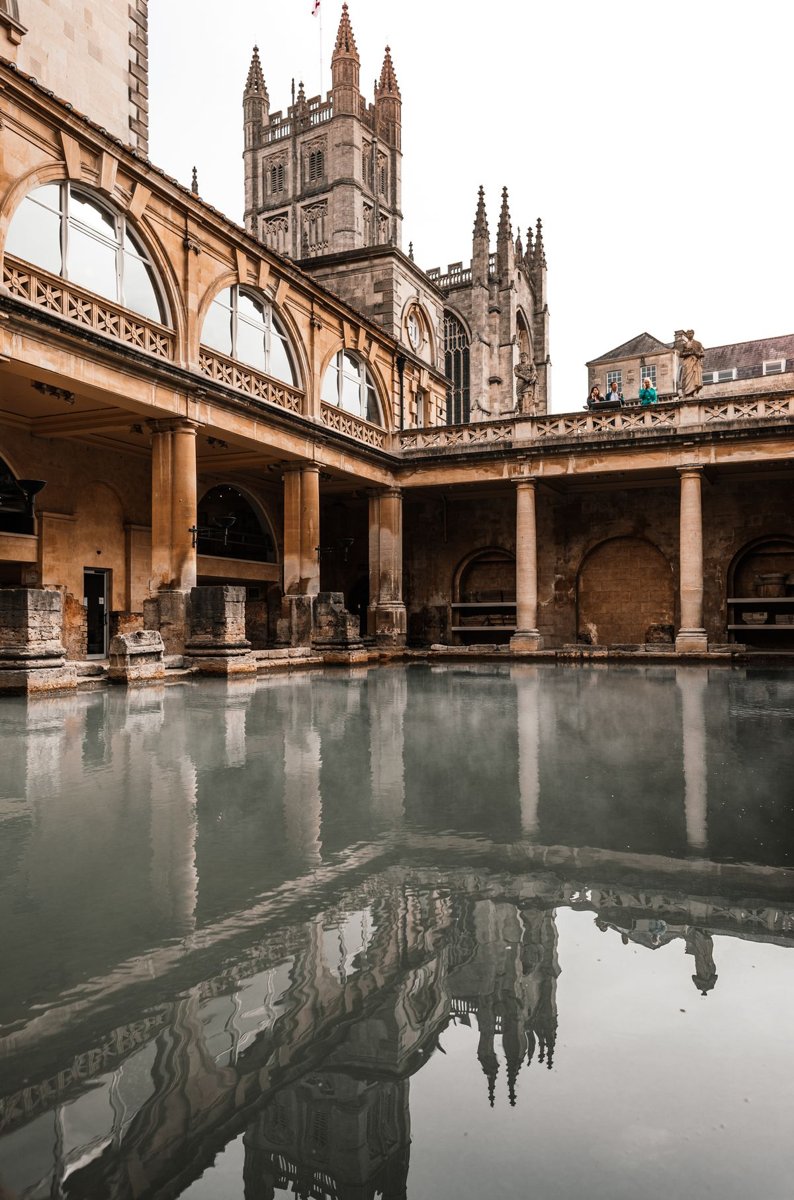
A visit to Bath can invite an ambitious list of photographs before you arrive. Stone surfaces, reflections and layered building shapes offer many possible subjects. Choosing one detail to notice can make the camera feel less like a checklist. The subject can be simple: a repeated opening, an edge reflected in water or the relationship between a foreground and the buildings beyond it.
Begin with the visit you have arranged
Use current appropriate visitor information for any place you intend to enter, including its actual access and photography arrangements. A stock image or another traveller's photograph does not establish what will be available during your visit. Keep those practical facts separate from the visual idea that interests you. This article does not supply a route, admission condition or current venue recommendation.
Once in an appropriate permitted position, look at the scene before deciding on a photograph. Choose a detail you can observe comfortably without blocking others or leaving the areas intended for visitors. You do not need a dramatic viewpoint. A modest subject noticed carefully can be more useful to your memory than a familiar composition copied in a hurry.
Describe the visual relationship
Ask what connects the detail with the larger setting. A reflection may repeat a line while changing its texture; a row of openings may create a rhythm across the frame. Keep the observation about what you can actually see. If you want to include historical or architectural facts, check a reliable source rather than turning a visual impression into an unsupported explanation.
Take a wider view if it helps preserve context, then a closer one where permitted. The wider image can remind you where the detail belonged, while the closer image records what caught your attention. Avoid making the whole outing revolve around getting both versions. If the conditions or the setting do not suit photography, a short written observation can serve the same purpose.
Keep the image connected with the day
Record enough information to identify the place accurately later. Separate a checked name from a description you are still uncertain about. If the photograph will be shared, keep unnecessary personal details out of the caption and distinguish your own image from any inspiration material you saved before travelling.
When reviewing the trip, choose the photograph that best explains the observation rather than keeping every near-duplicate as an equally important record. Add one sentence about why the detail mattered to you. A focused subject can give a visit a memorable visual thread without requiring you to photograph every building. The useful outcome is a clearer memory of something you actually noticed, grounded in the setting and conditions of your own day.
Related reading
A Hotel Booking Checklist for a Two-Night Trip, Choose a Packing Surface before Opening the Suitcase.
Editorial note
Practical style and travel guidance. Follow the relevant maker’s instructions and check current arrangements with your provider. Availability and policies can change. Our outfit and packing suggestions are editorial guidance, not claims of hands-on testing.