Repack a Worn-Once Layer without Mixing the Whole Case
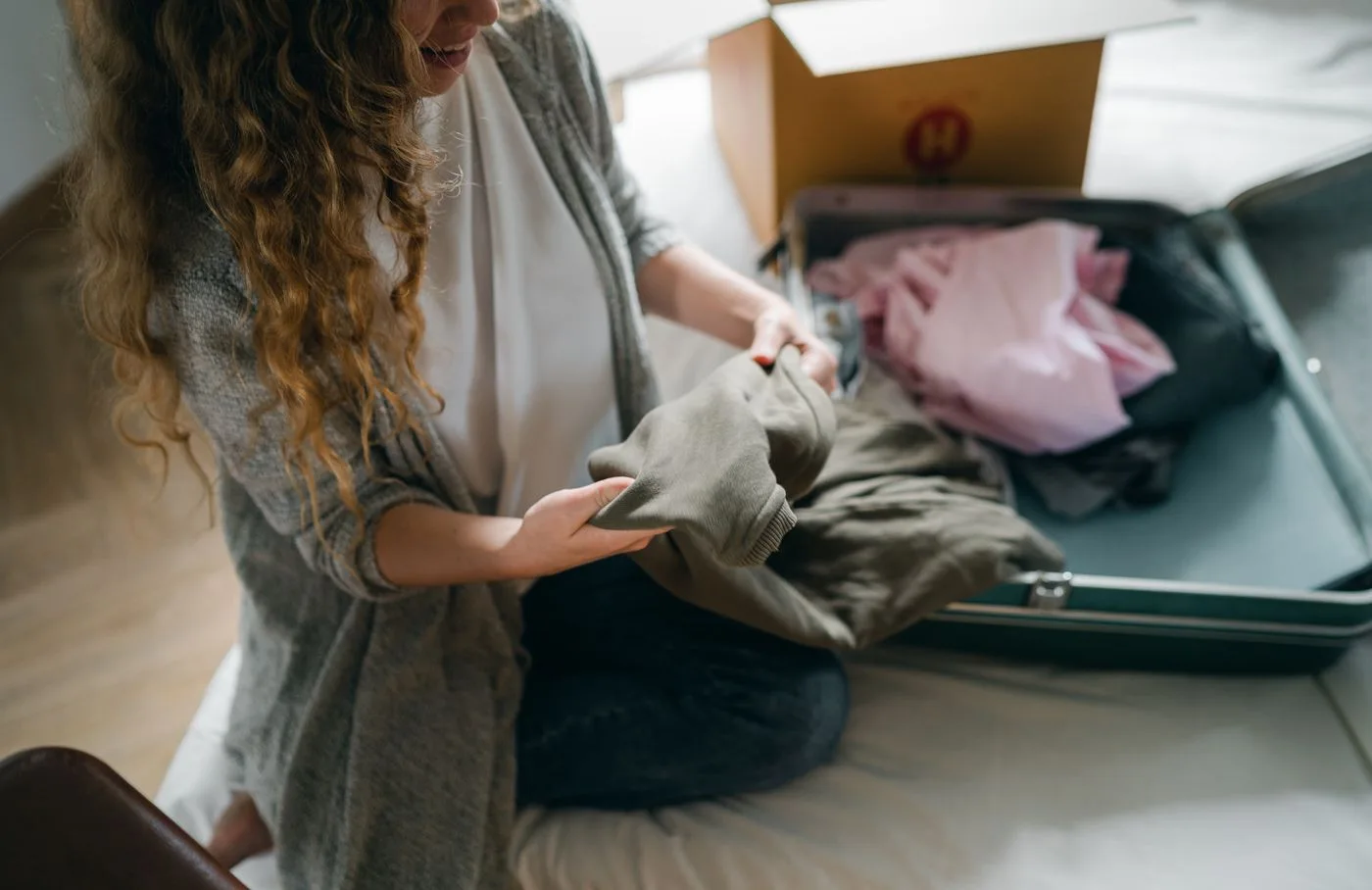
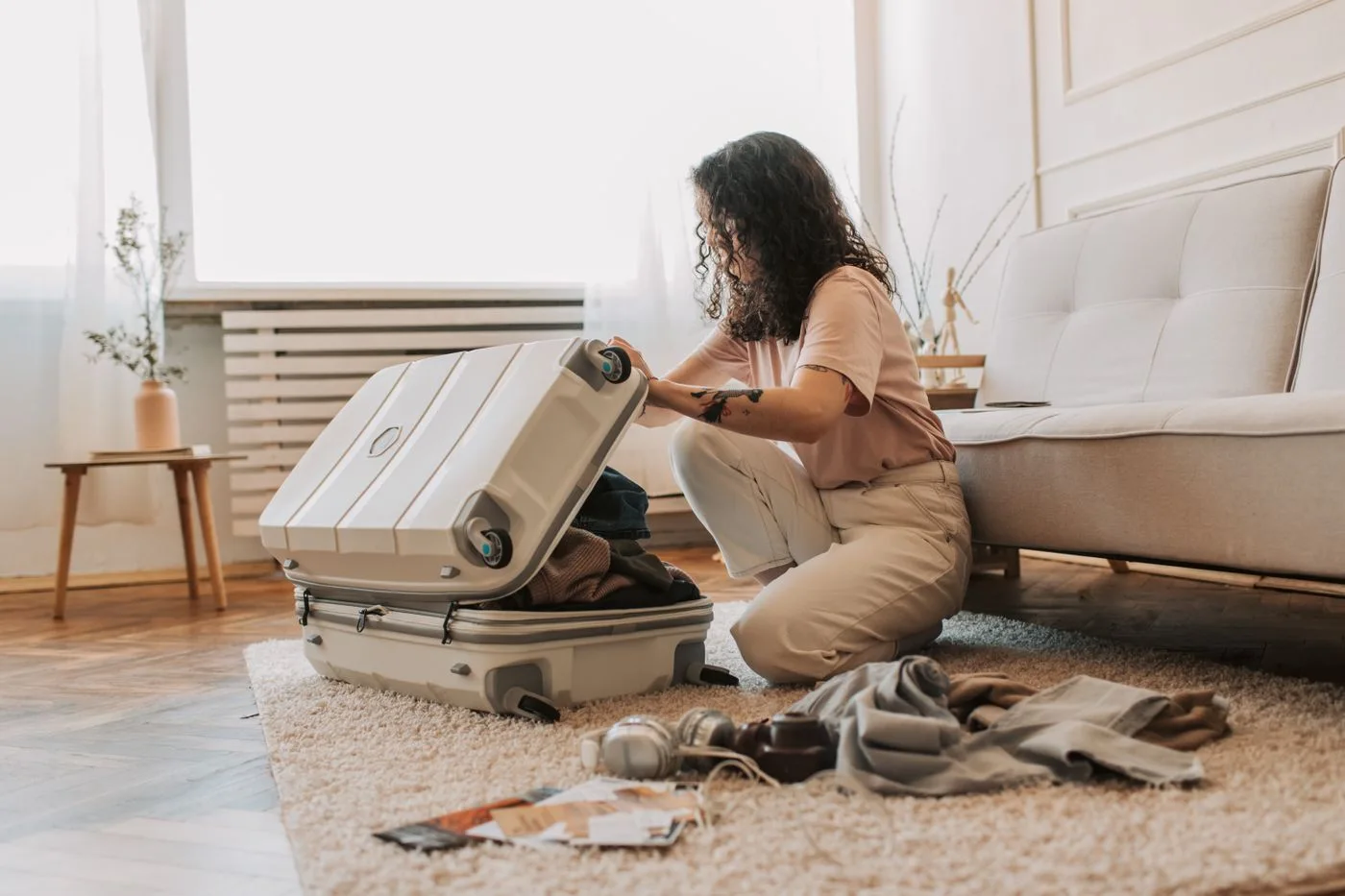
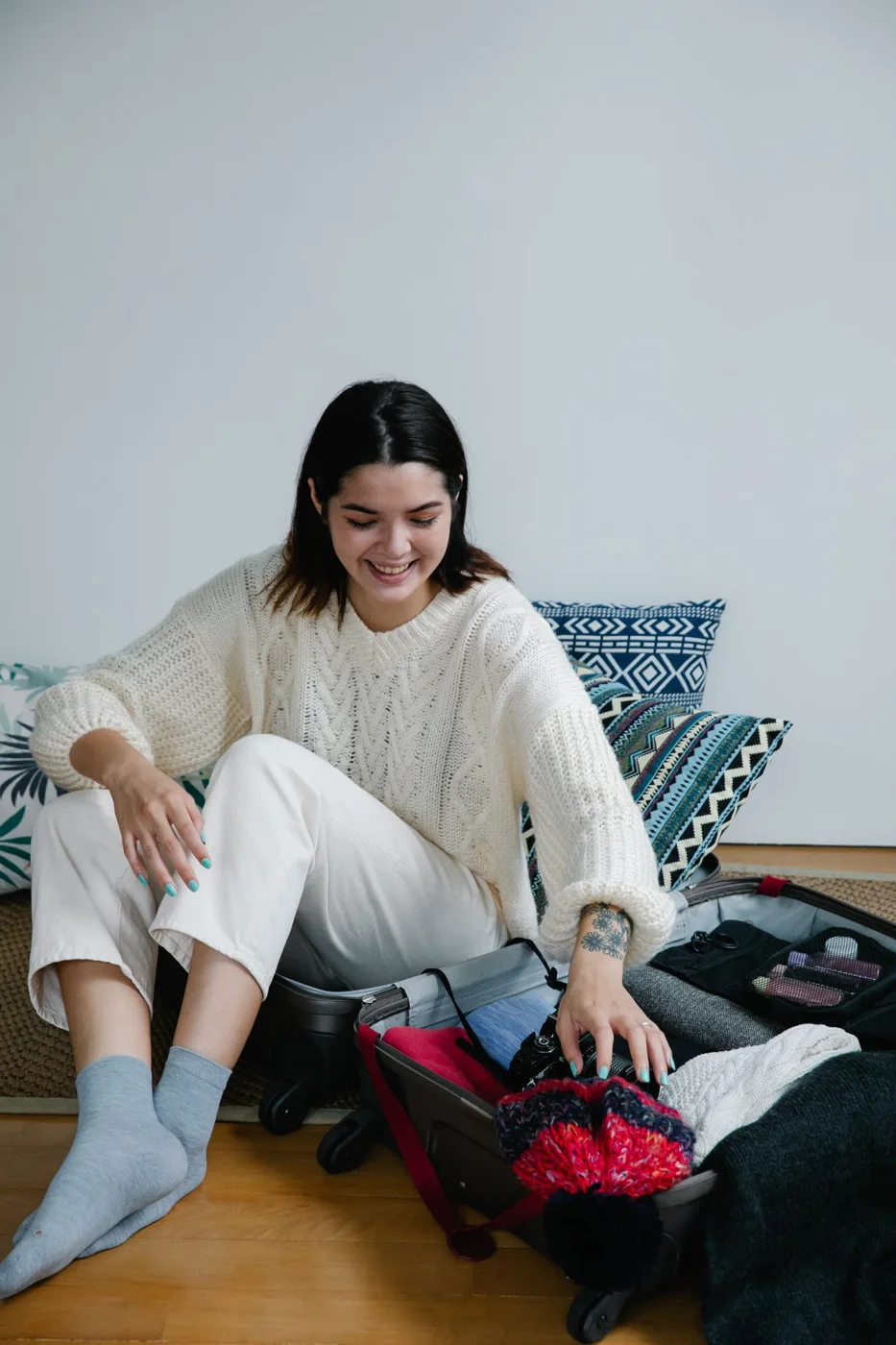
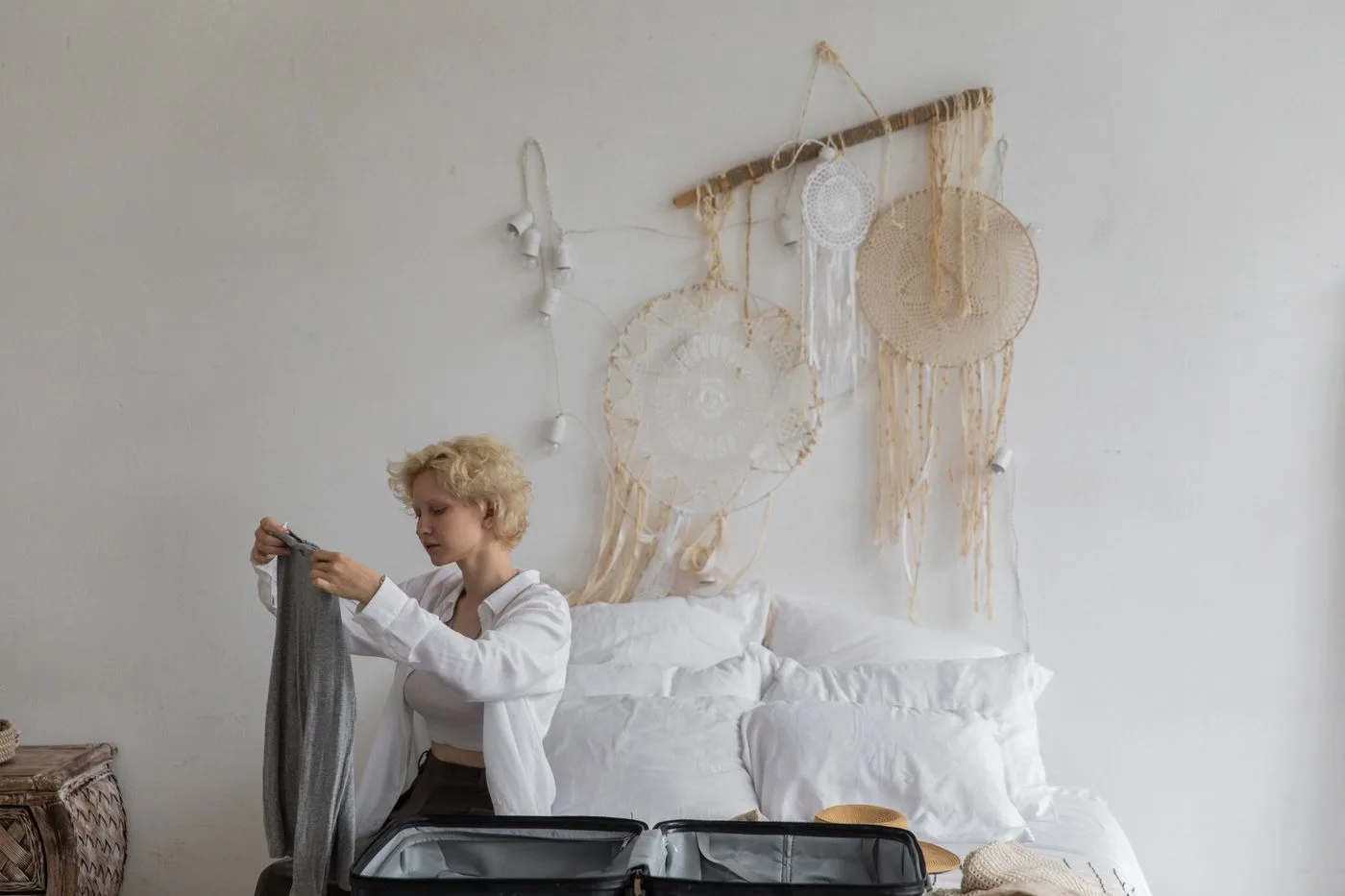
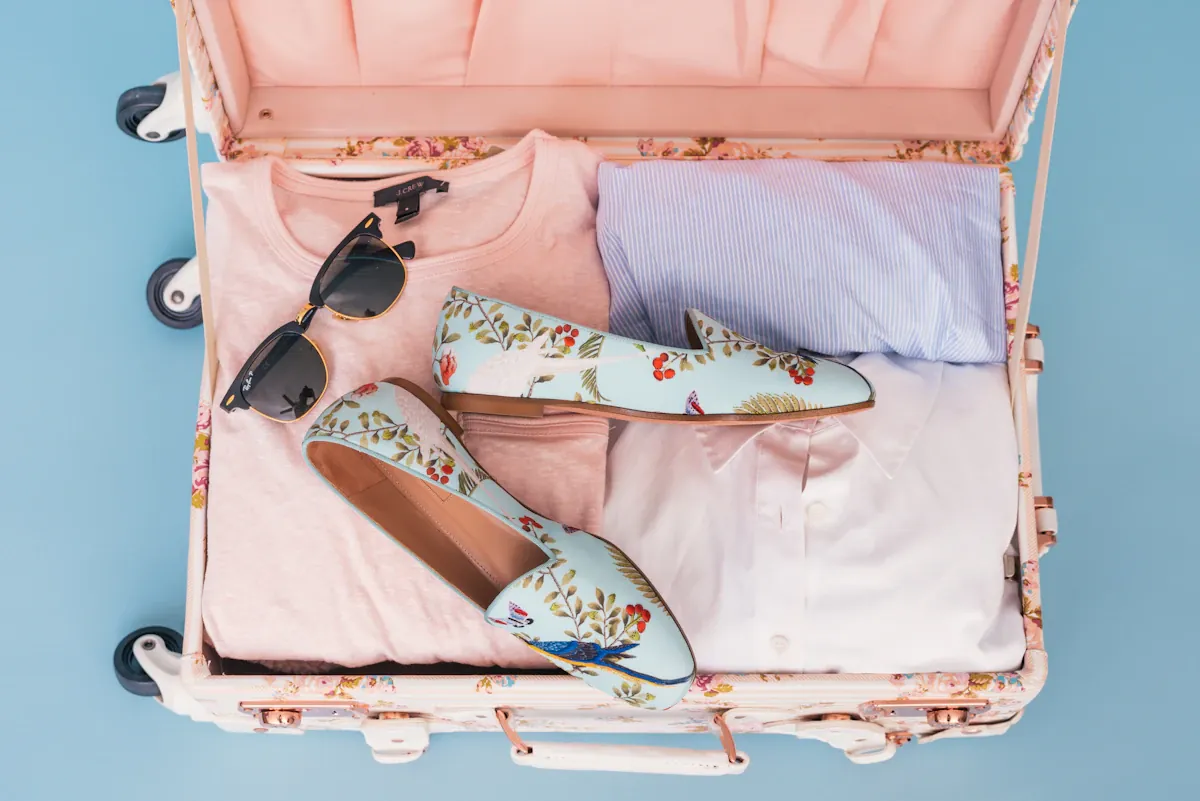
Repack a layer worn briefly during a trip by checking its condition and giving it a clear place, instead of mixing every item in the case.

Practical travel planning ideas, with details to consider before you shop or pack.
Repack a layer worn briefly during a trip by checking its condition and giving it a clear place, instead of mixing every item in the case.
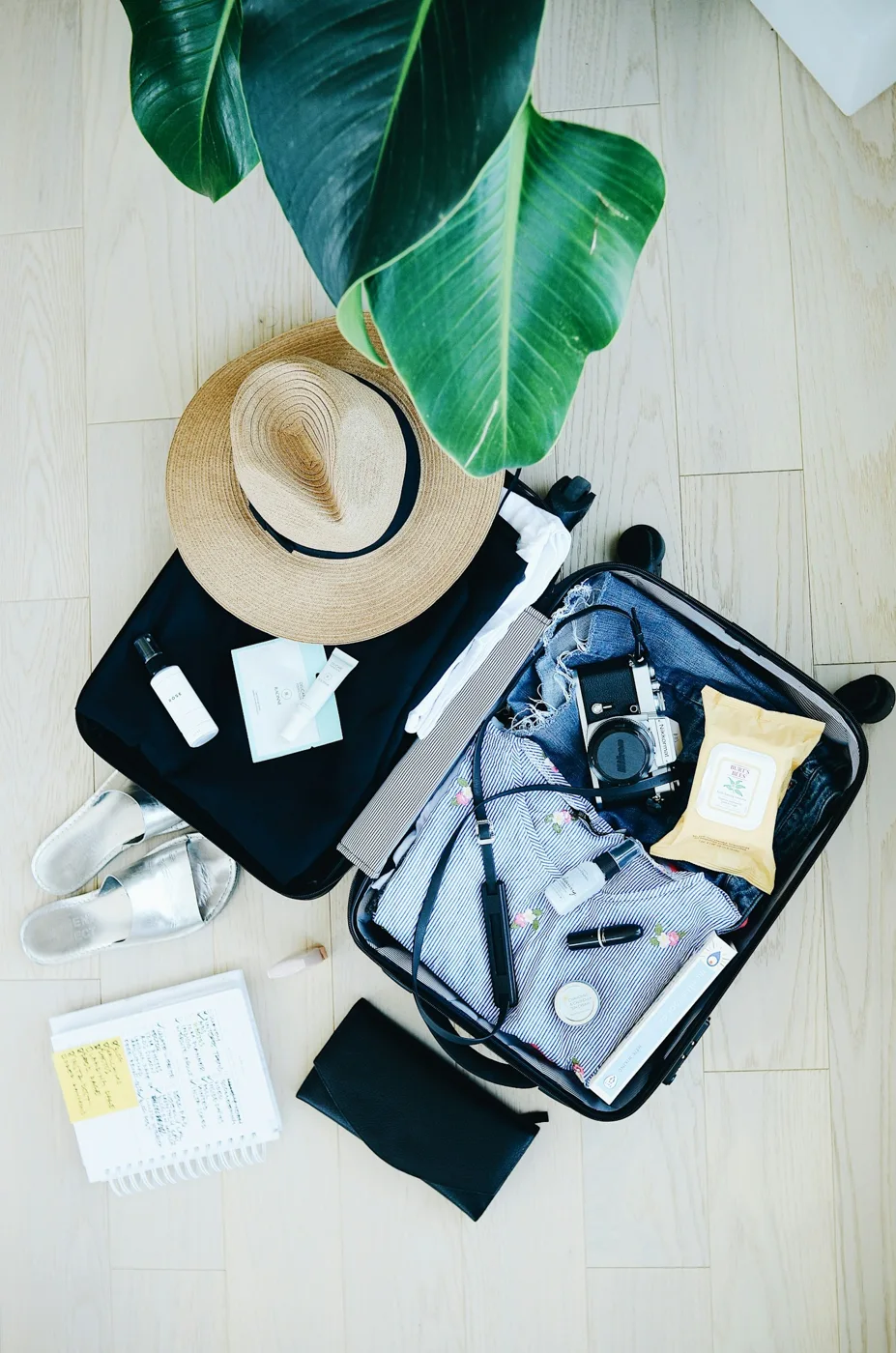
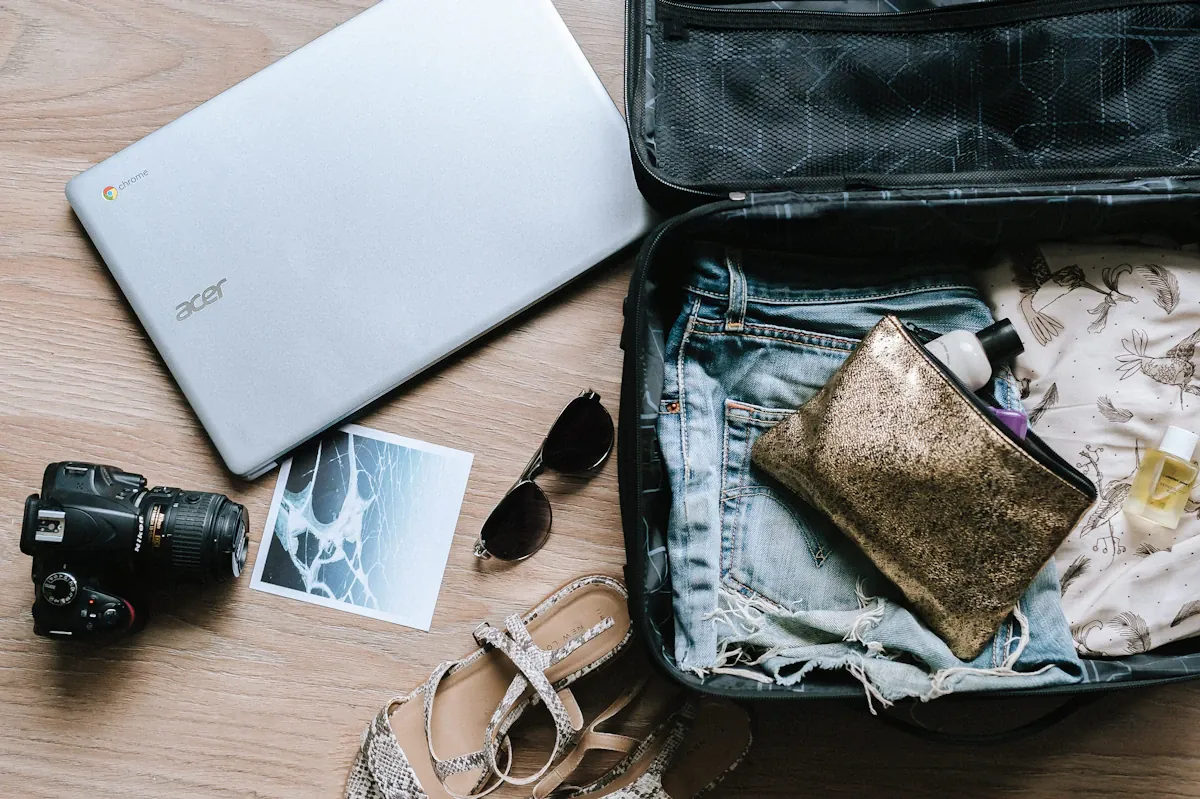
Choose a suitable place to pack before opening the suitcase, considering space, access and how the room will remain usable while you organise.
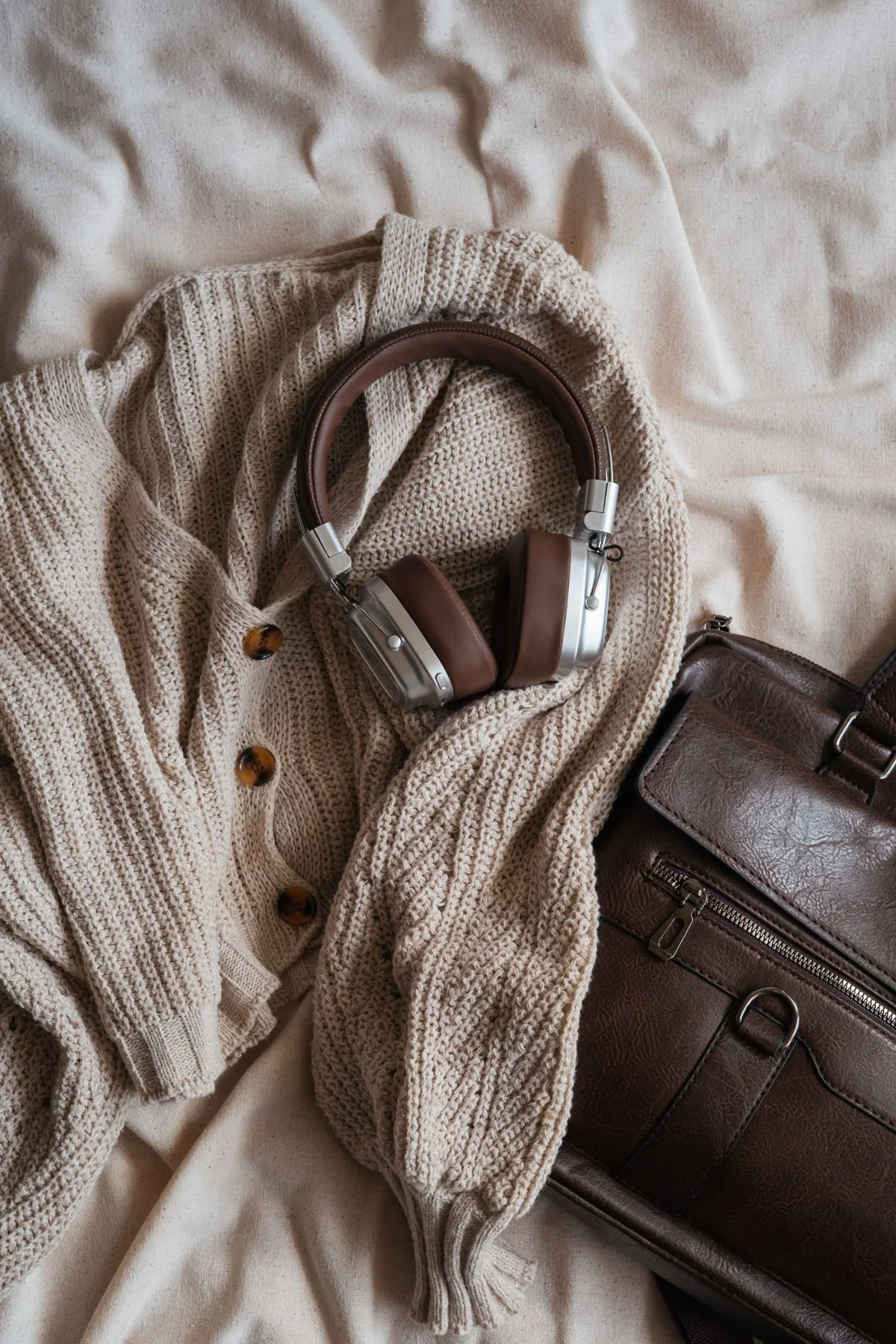
Pack headphones beside soft clothing with a clear return position, so cables, fittings and cups do not become tangled in the knit.
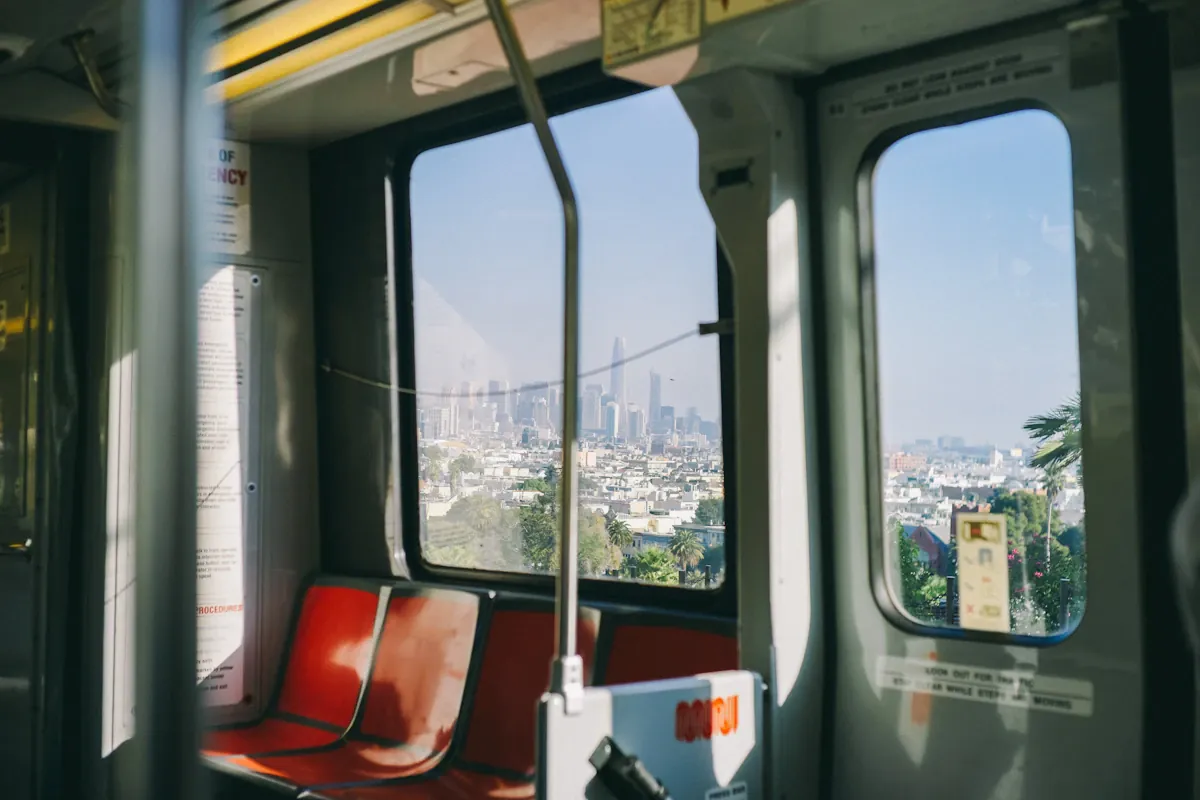
Leave a short screen-free part of a train journey for noticing the route, after the practical arrangements are settled and the next change is clear.
Check the next outfit once the main case is packed, keeping the clothes and essentials you need before departure accessible without reopening everything.
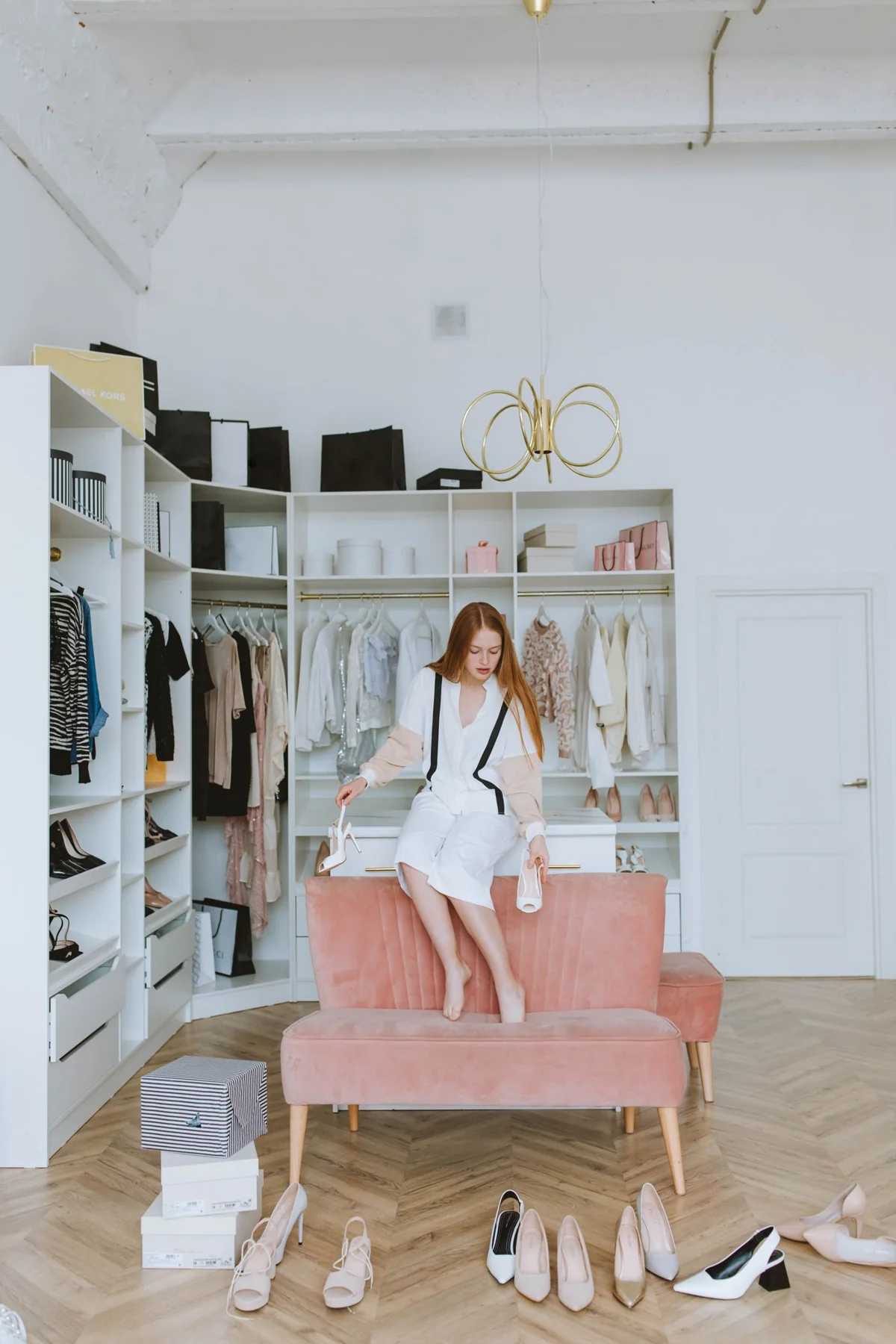
Decide whether a second pair of shoes serves a distinct trip need, then account for its space, carrying route and use after the change.
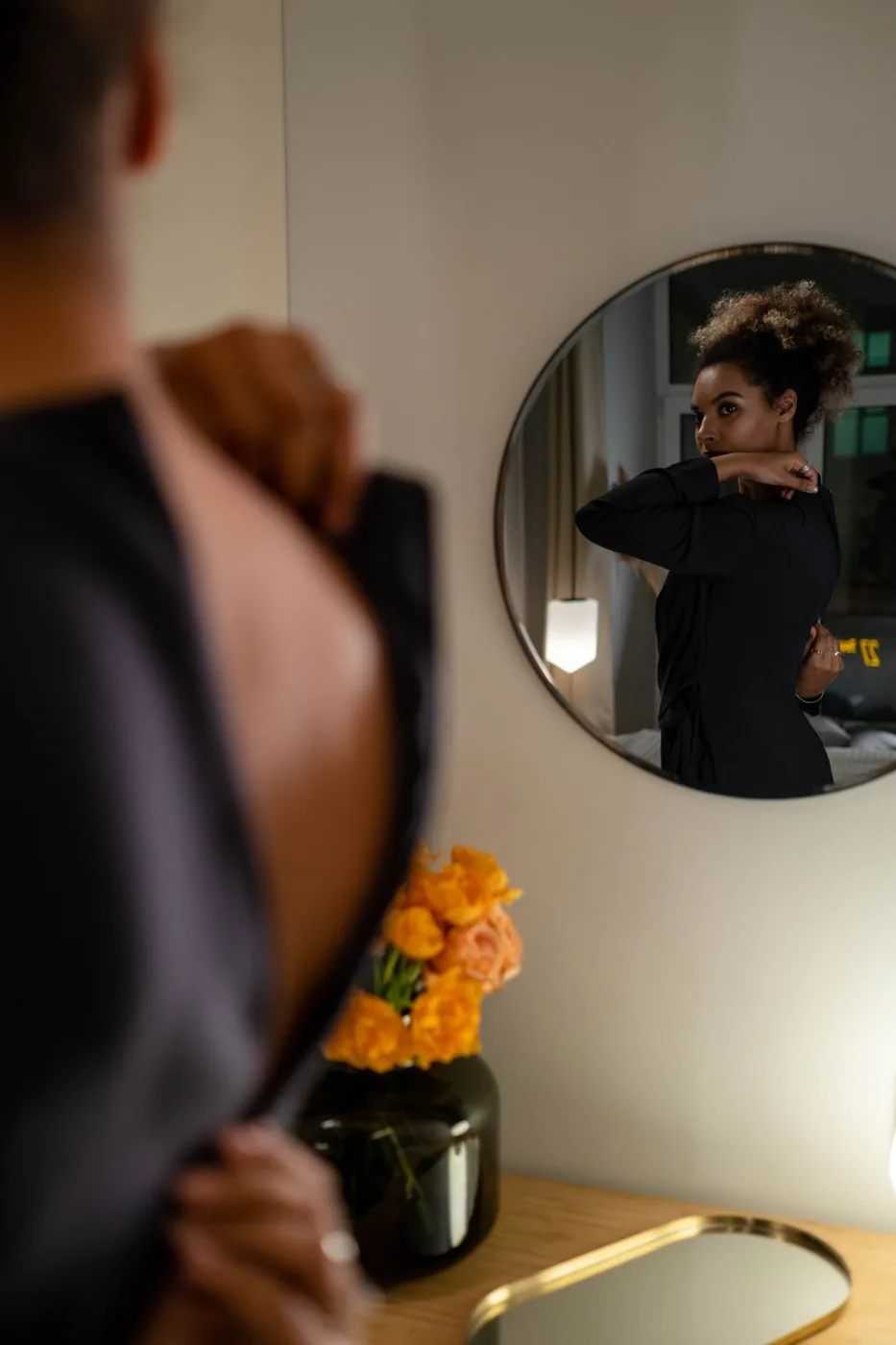
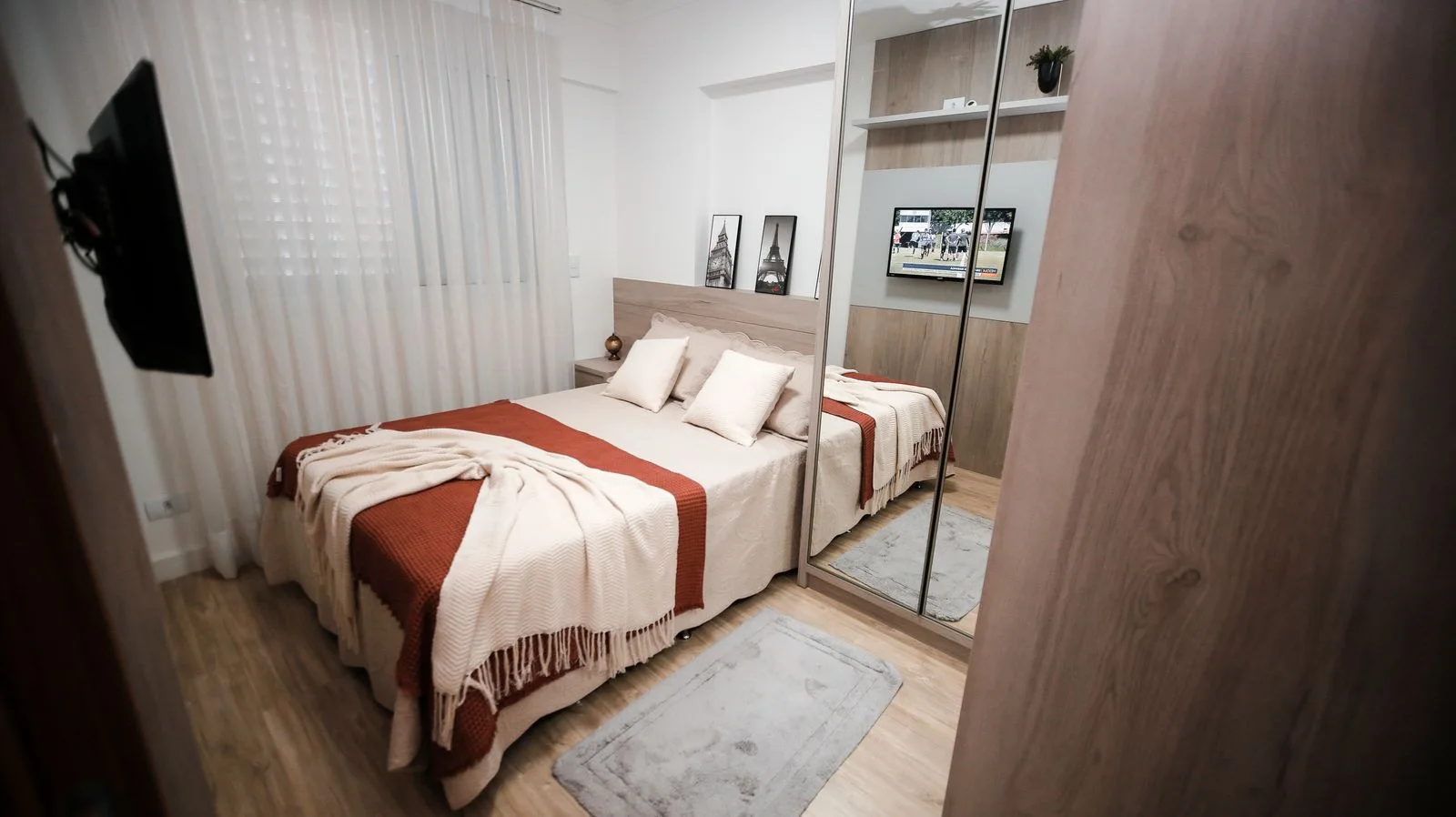
Find a practical dressing position near a hotel mirror without blocking the room, moving heavy furniture or spreading belongings across shared surfaces.
Try a last-minute clothing substitute with the full travel outfit before packing it, then remove the item it genuinely replaces.
Pack a wide-sleeved garment according to its care needs, keeping its shape and identity clear without adding unnecessary pressure to the case.
Keep a small garment washed during a trip separate from ready packing until its care and drying are complete, with a clear departure plan.
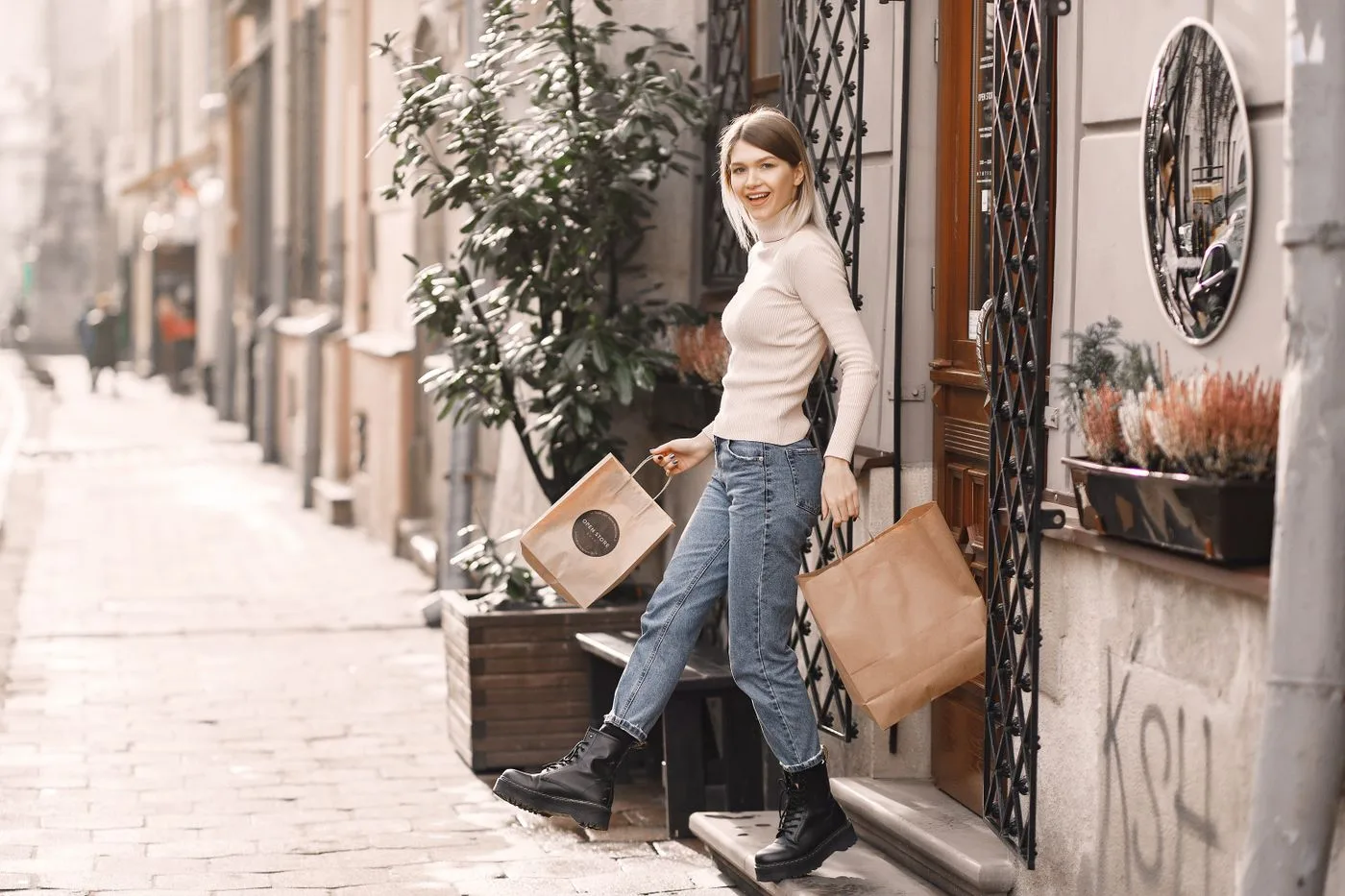
Fit a shopping stop before a transfer by setting a clear leaving point, checking carrying capacity and protecting time for luggage collection.
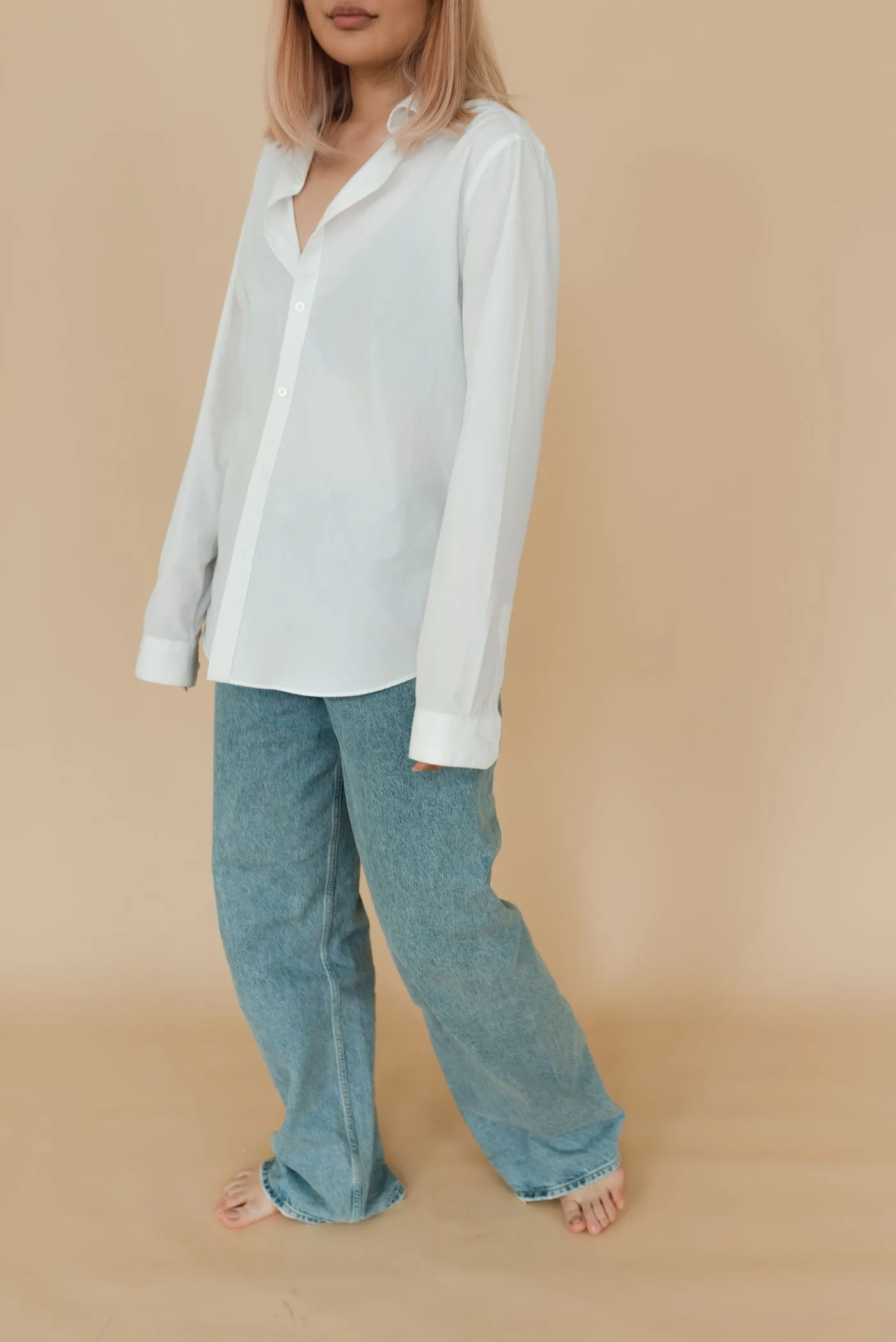
Pack wide-leg trousers with a clear outfit role and suitable care arrangement, rather than adding them as another untested option in a small case.
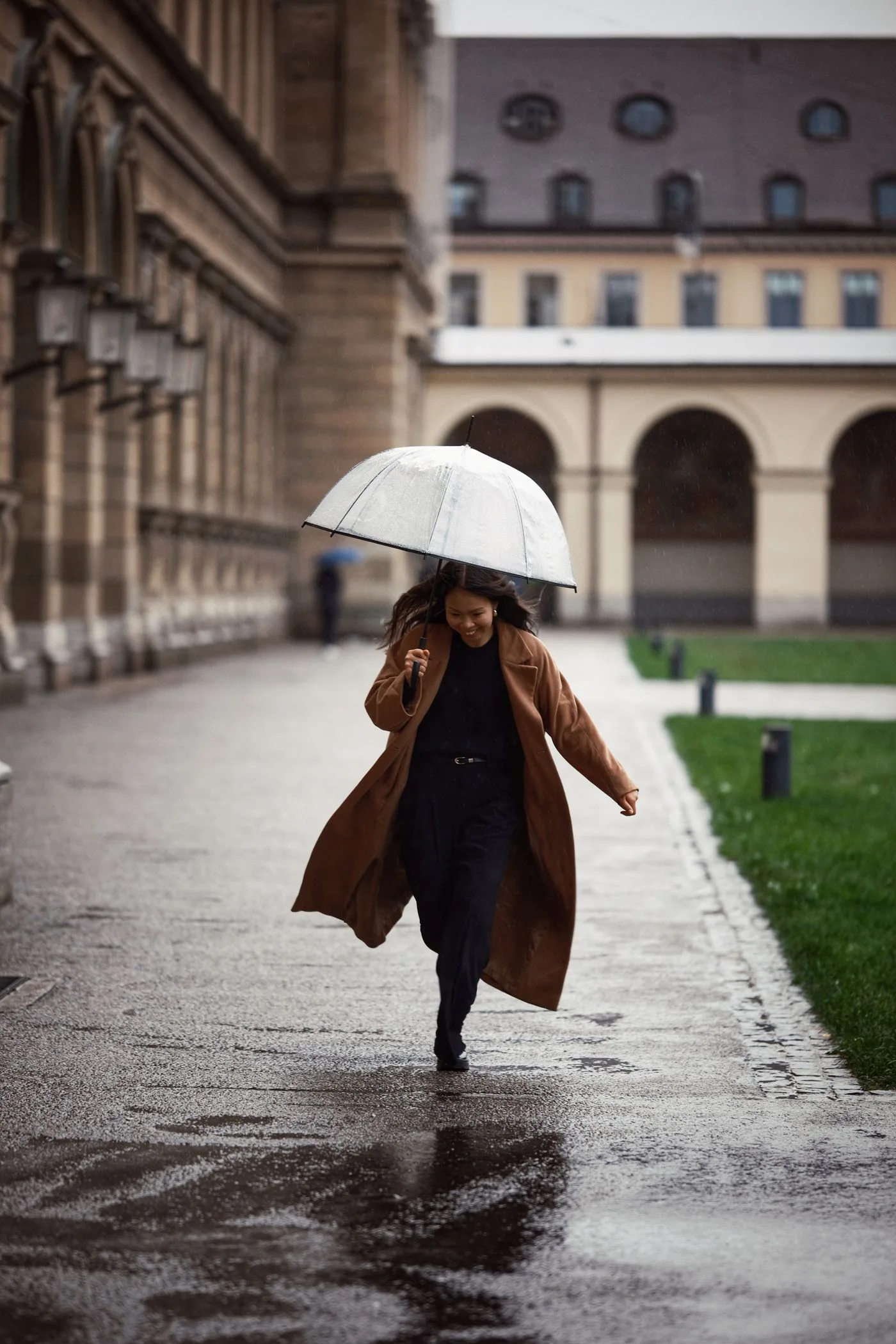
Manage a wet umbrella during a café stop through the venue’s arrangements, keeping it separate from dry belongings and clear of circulation space.
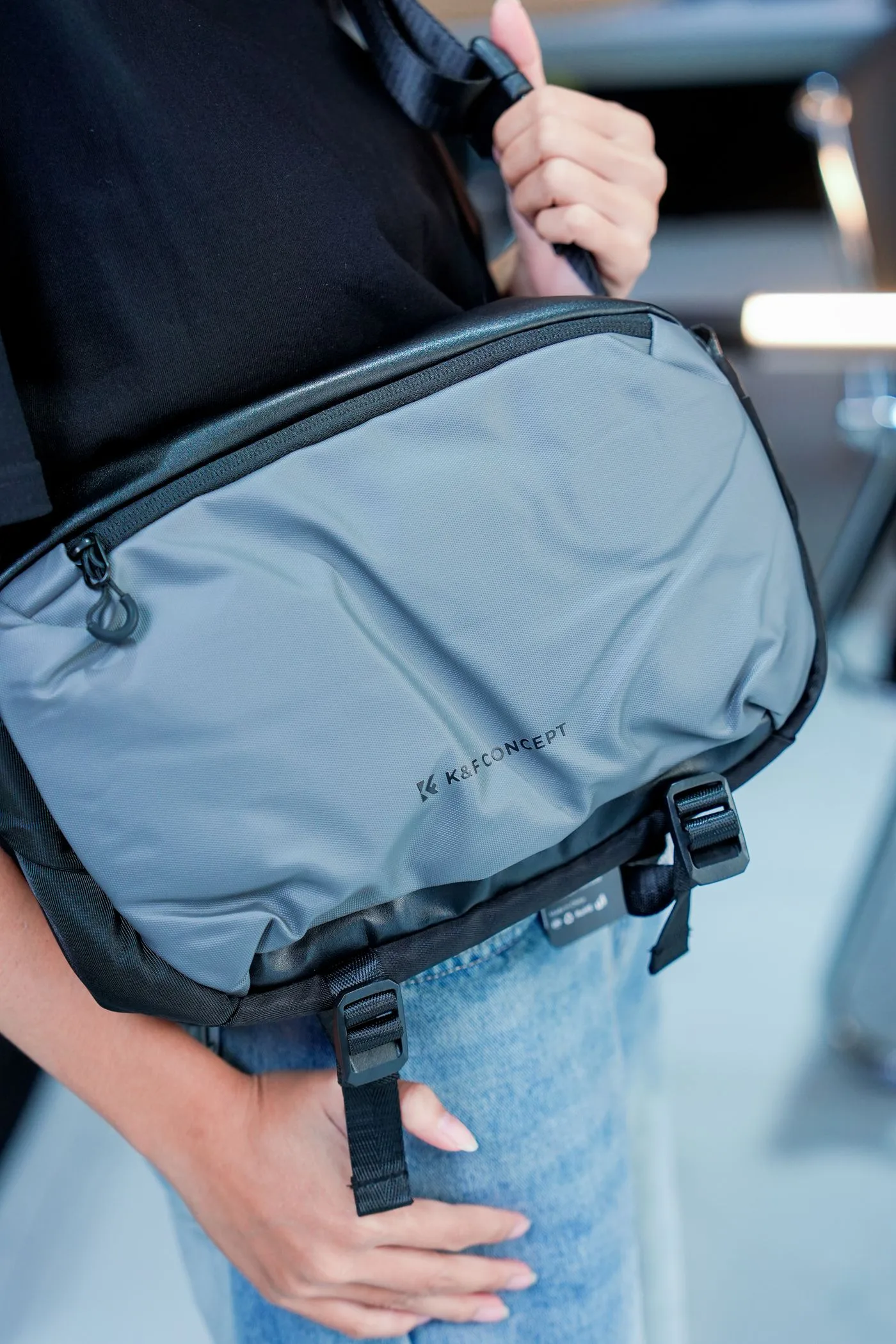
Reset a messenger bag’s pockets for a city break by removing stale contents and giving current essentials clear, appropriate return places.
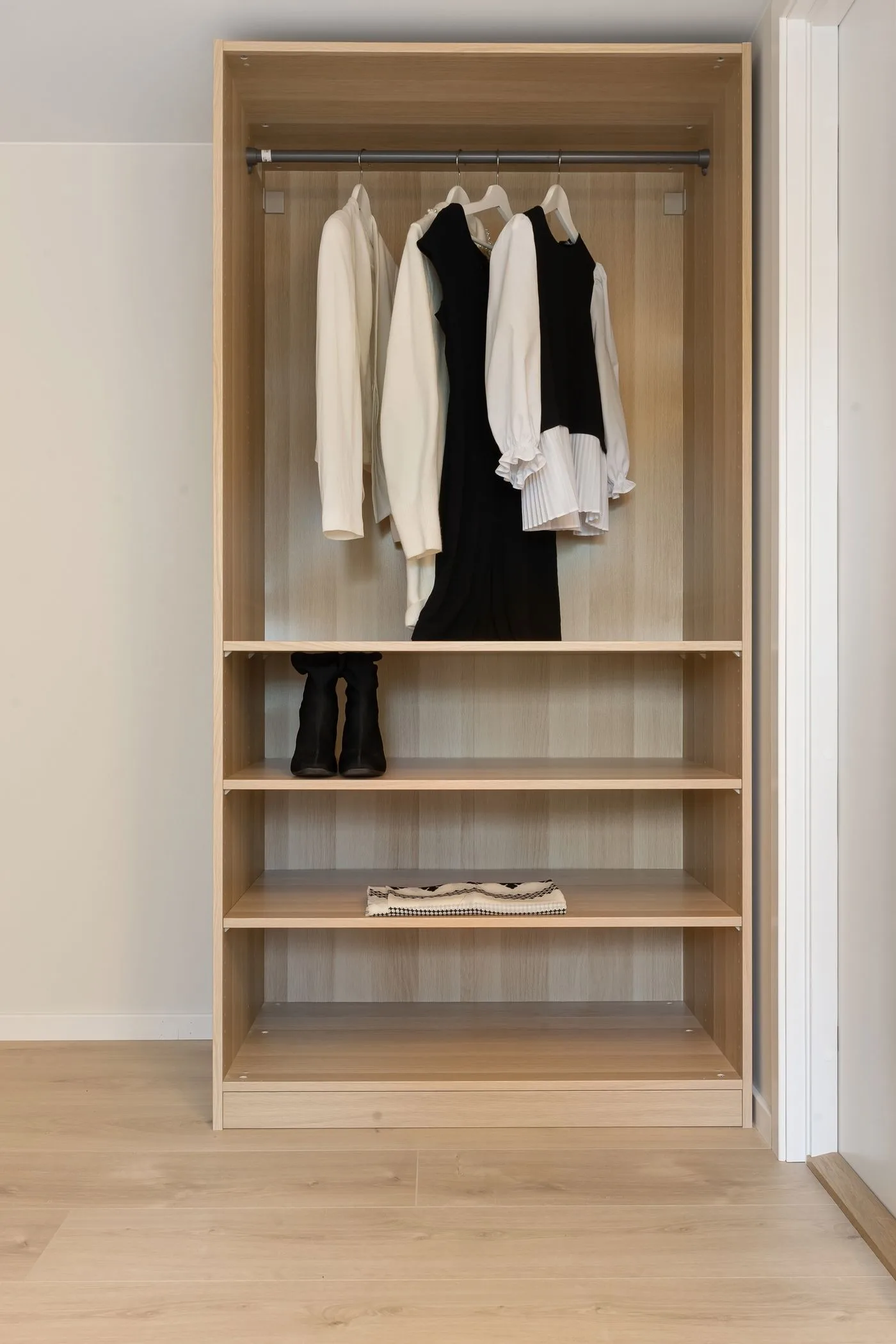
Check the hotel wardrobe as a separate departure area, including shelves, hangers and small belongings rather than relying on a general look around the room.
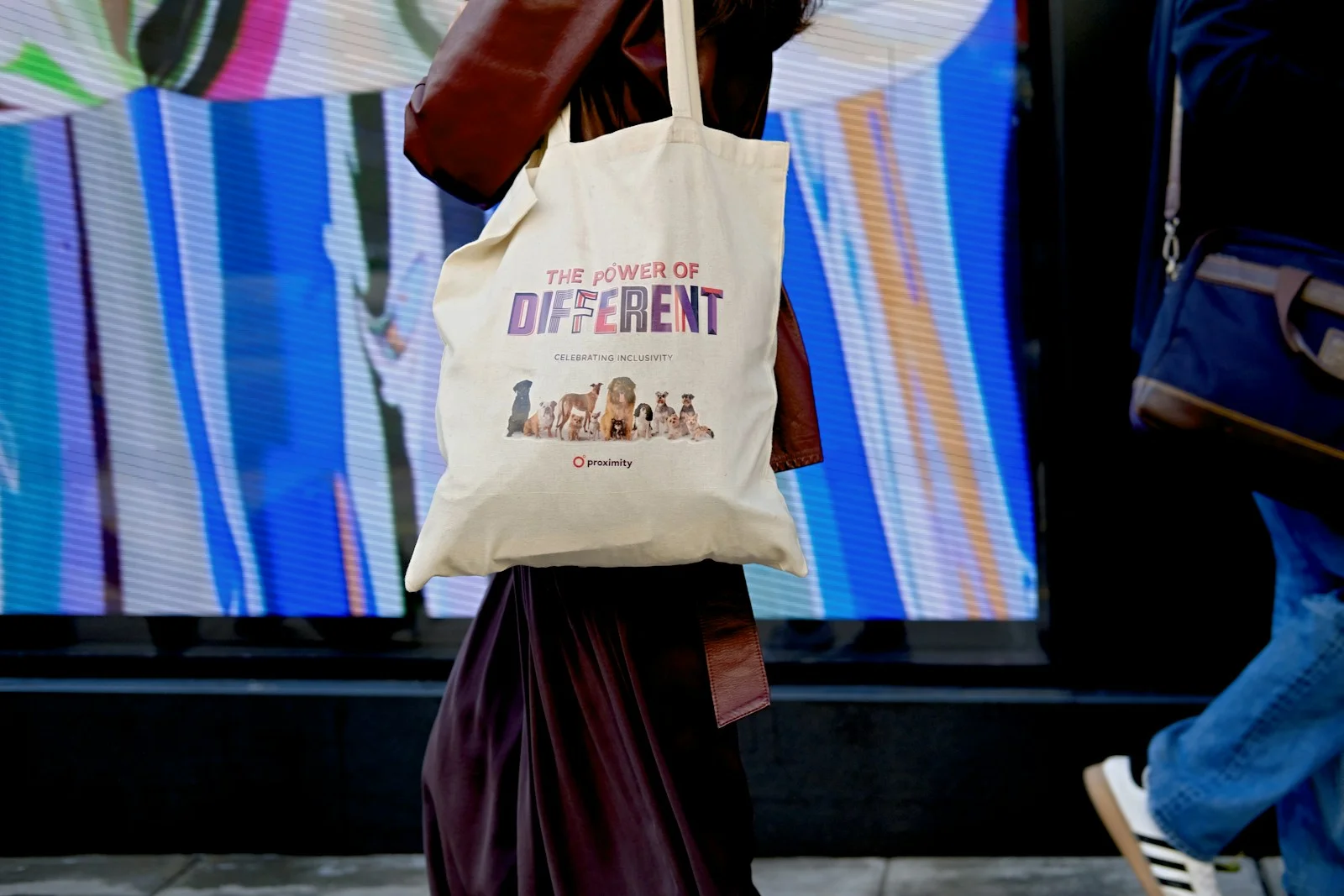
Return a spare tote to its intended packing place after use, checking condition and contents before relying on it for the journey home.
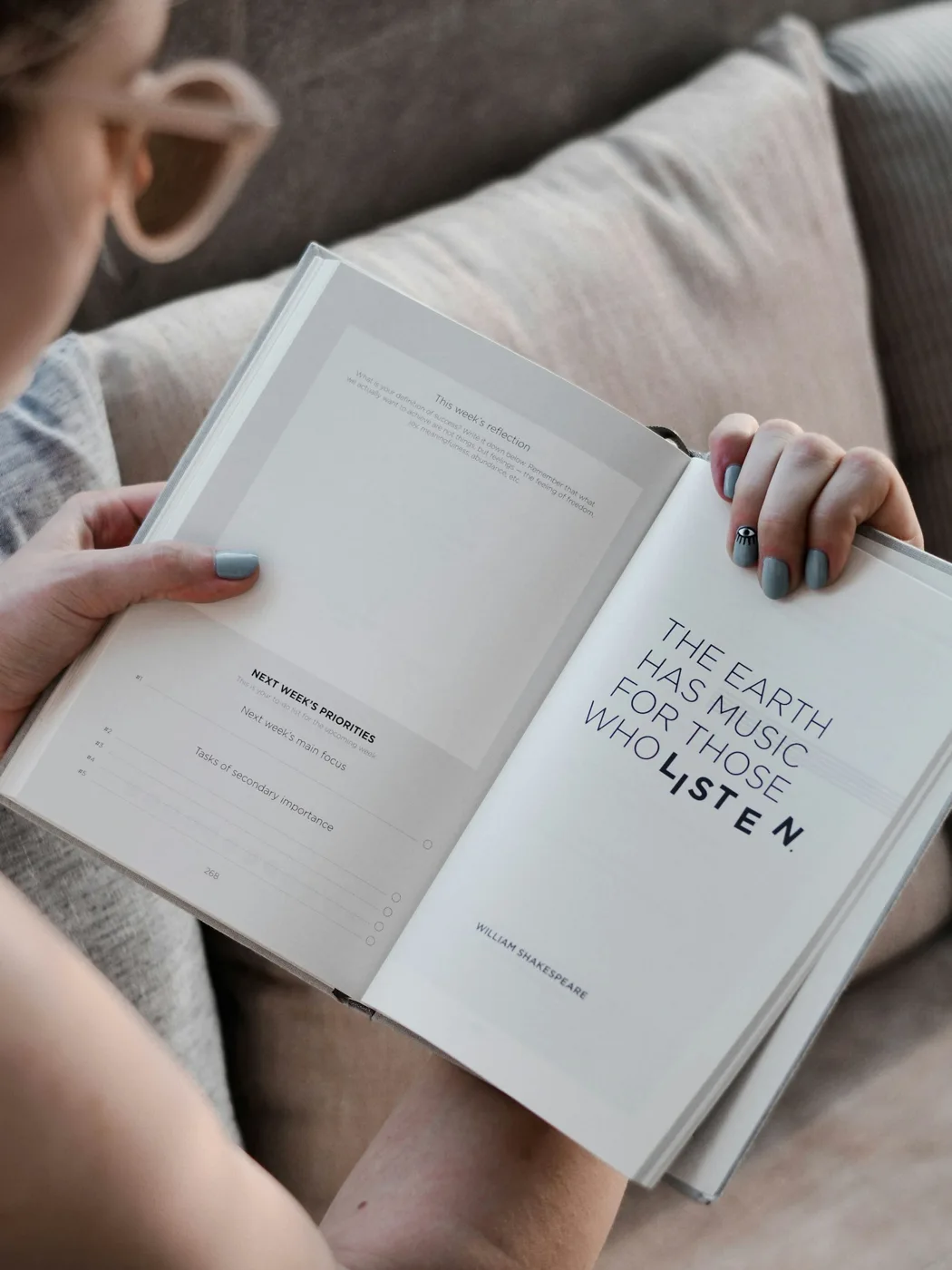
Give one book a realistic role and carrying place on a short trip, considering the reading moments available rather than an ambitious holiday target.
Handle an early restaurant arrival with a clear reservation check, considerate waiting and a practical place for coats and travel belongings.
Keep a short final-items packing list for belongings still in use, with clear destinations and a departure check that does not reopen every decision.
Check a hat’s actual packing and care needs before giving it suitcase space, including how it will travel when worn or carried separately.
Keep a café rain pause manageable by choosing a suitable stop, containing wet items and leaving the next part of the day flexible.
Divide a shared hotel dressing surface into small personal areas and a clear working space without scattering belongings around the room.
Plan where dress shoes go after an outing so their return does not disturb clean clothing or the next departure.
Arrange the small bag around the next train connection, with route information accessible and belongings secured before moving.
Keep a hotel chair usable by giving clothing clear temporary destinations during a short stay.
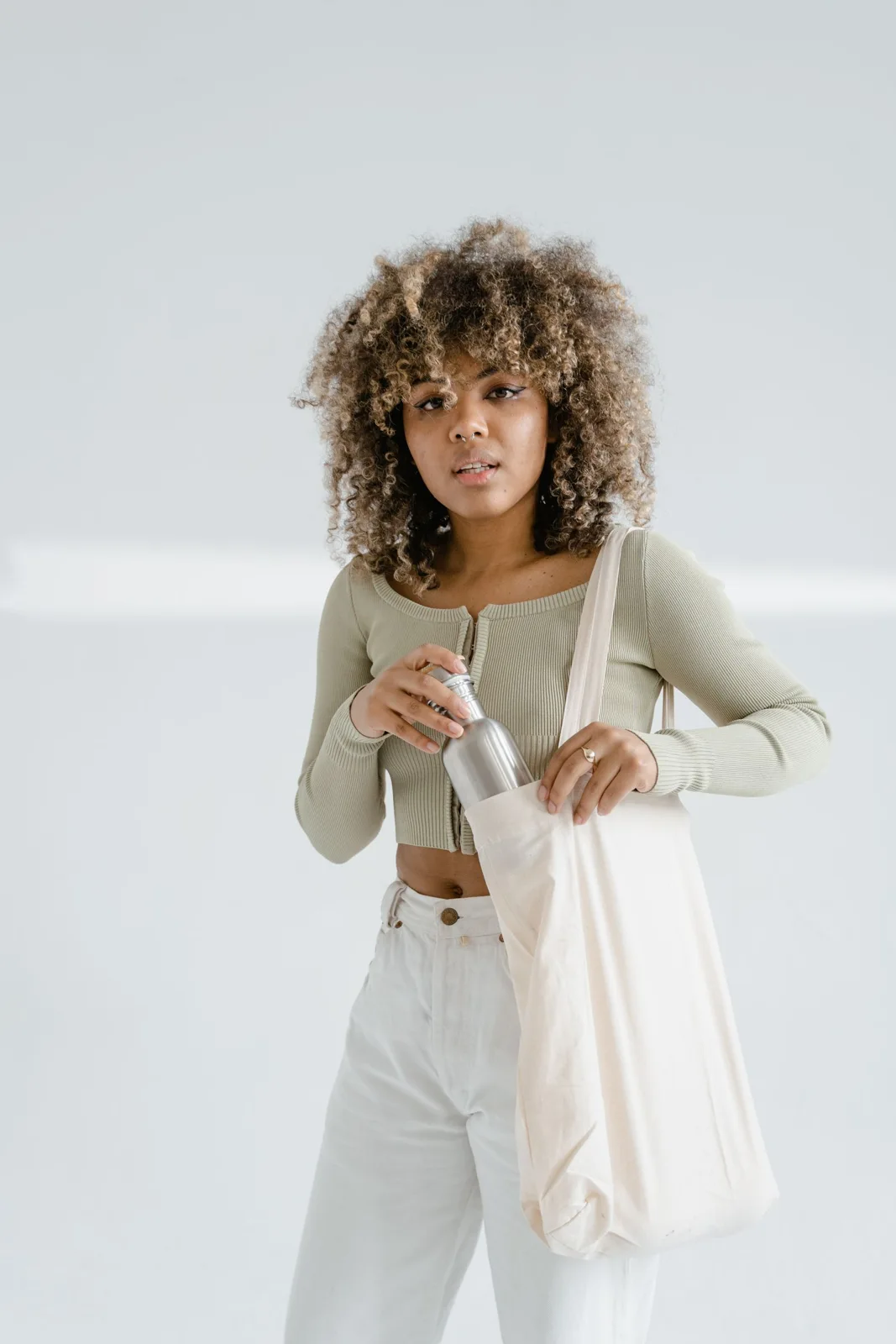
Try your actual bottle with the tote you plan to carry, checking its opening, ordinary contents and retrieval sequence before making it part of a travel day.
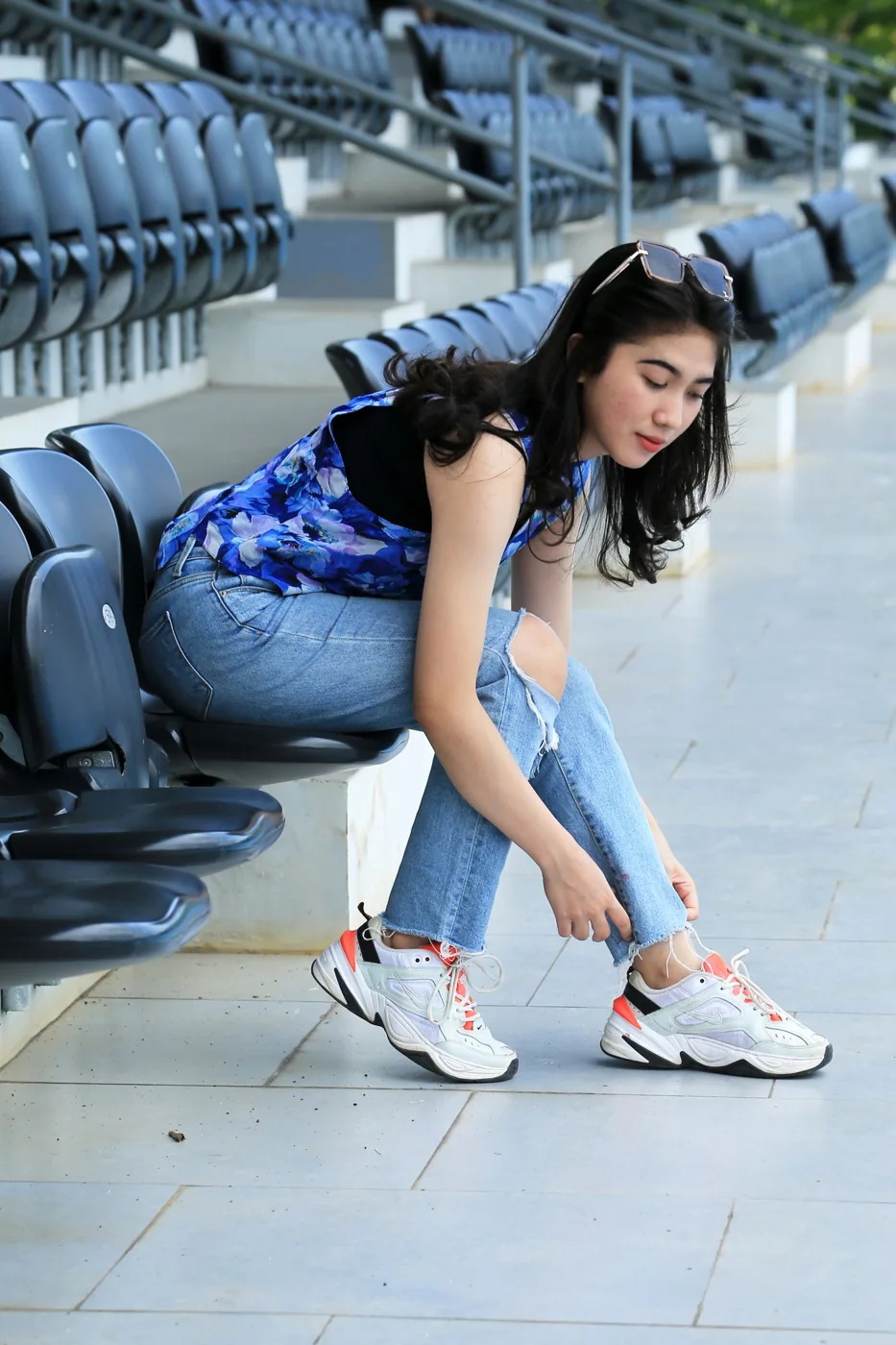
Plan when your travel shoes go on by trying the actual fastening, trouser hem and bag sequence, leaving the room with a clear place for the final items.
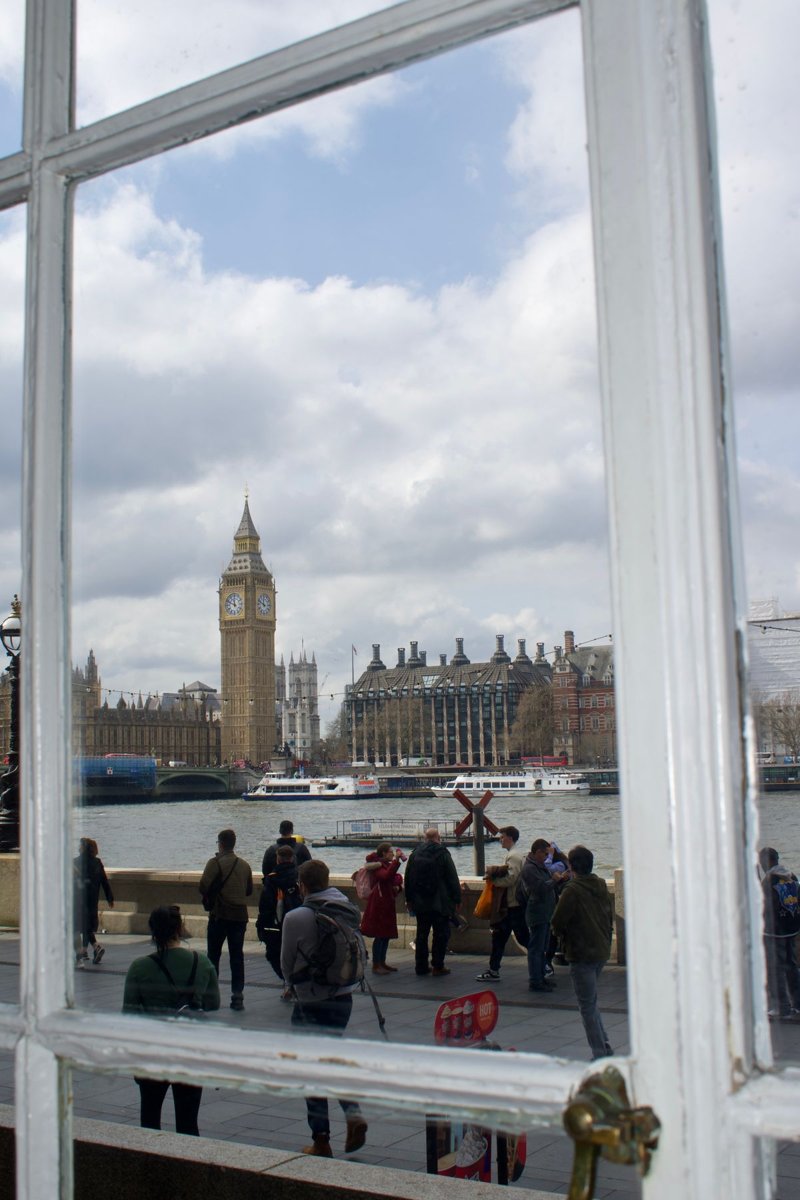
Keep one small observation from a London river view with a clear place and moment, letting a short note preserve what you noticed without becoming a trip checklist.
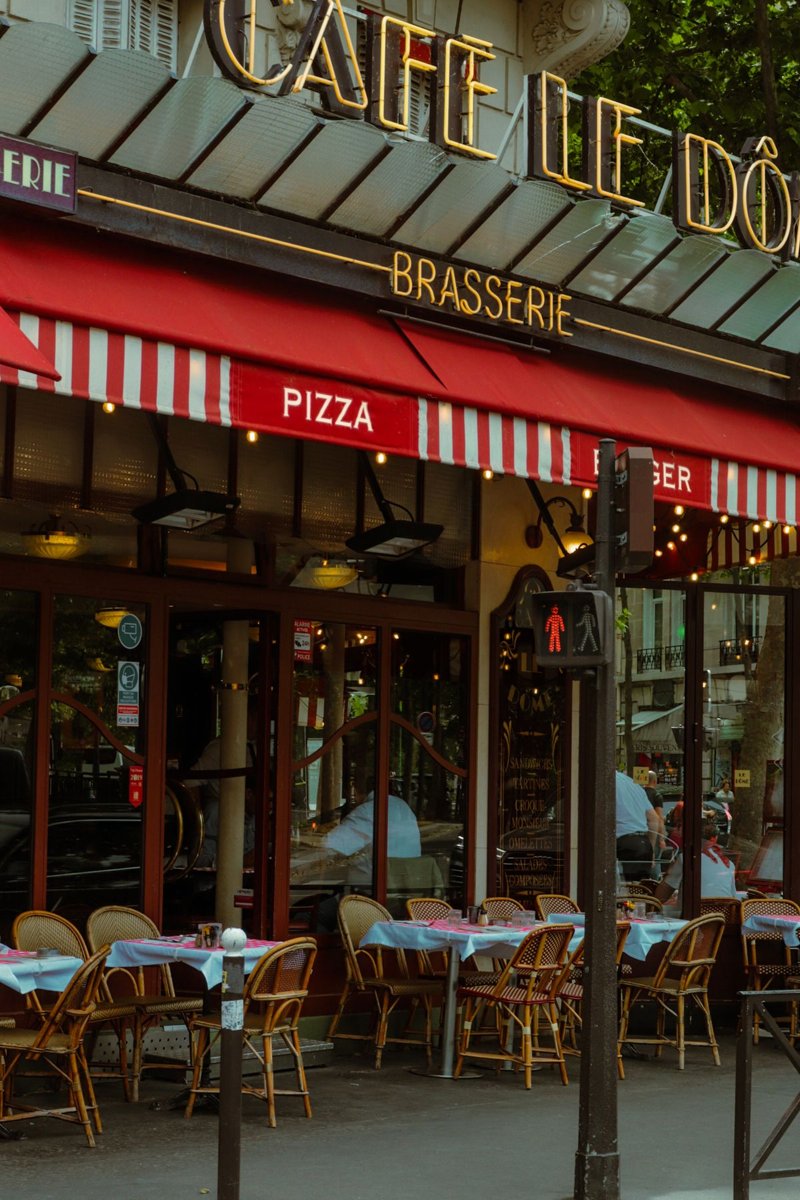
Use a Paris cafe photograph to identify the atmosphere you enjoy, then separate that inspiration from the current practical details needed for your own visit.
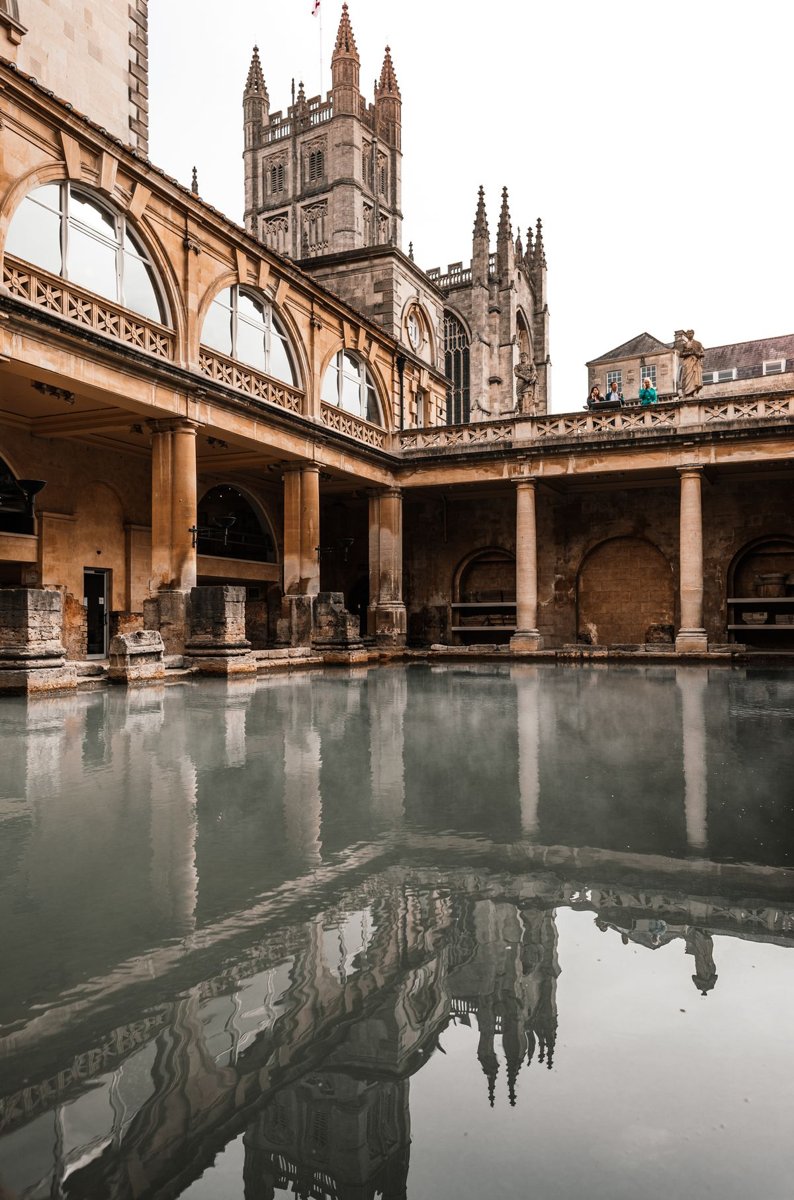
Choose one architectural detail to notice during a Bath visit, using the actual setting and current visitor information instead of trying to reproduce a whole gallery of images.
Give a coastal photograph a clear connection with the actual stop, recording the detail you noticed and separating the image from assumptions about routes or conditions.
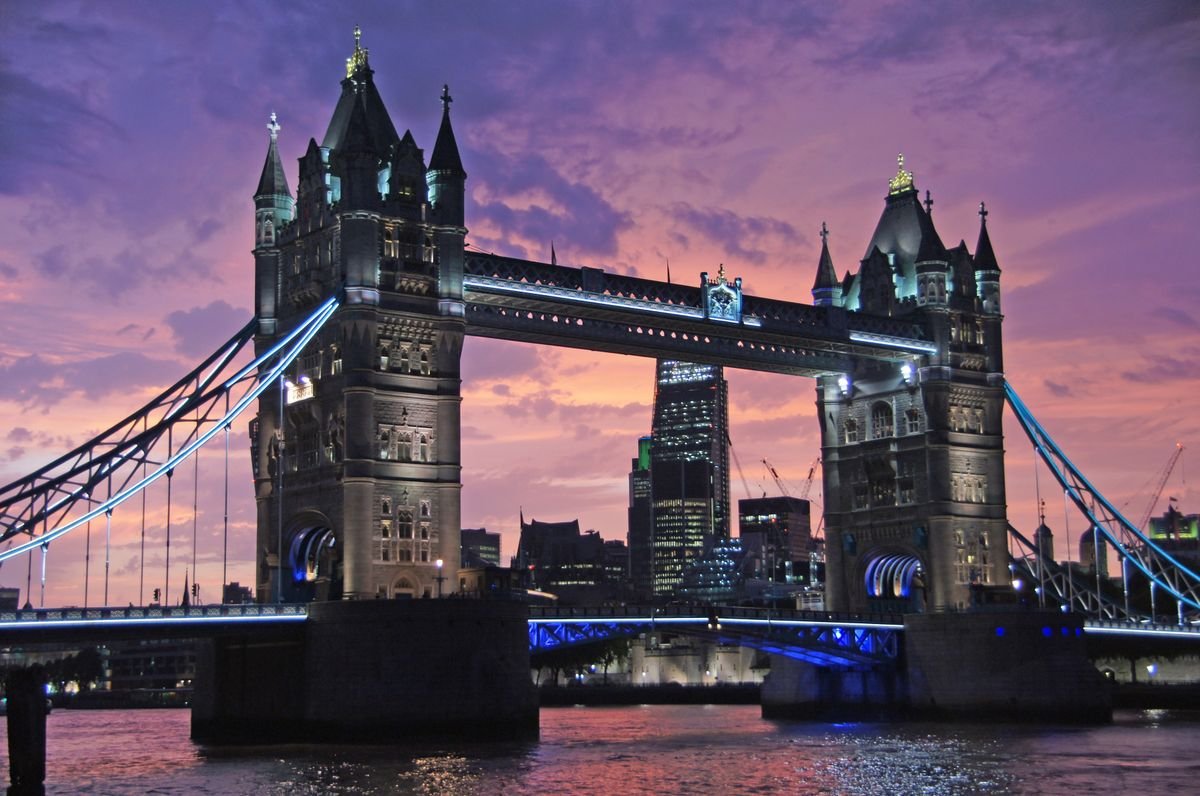
Keep the light in a bridge photograph separate from your own visit plan, using the image for visual interest while checking practical arrangements through current sources.
Ask what a hotel laundry service includes before relying on it for a travel outfit, using the actual garment care instructions and confirmed service information.
Keep personal ownership clear when sharing a suitcase, agreeing what is shared, what stays individual and how each traveller will recover their own belongings.
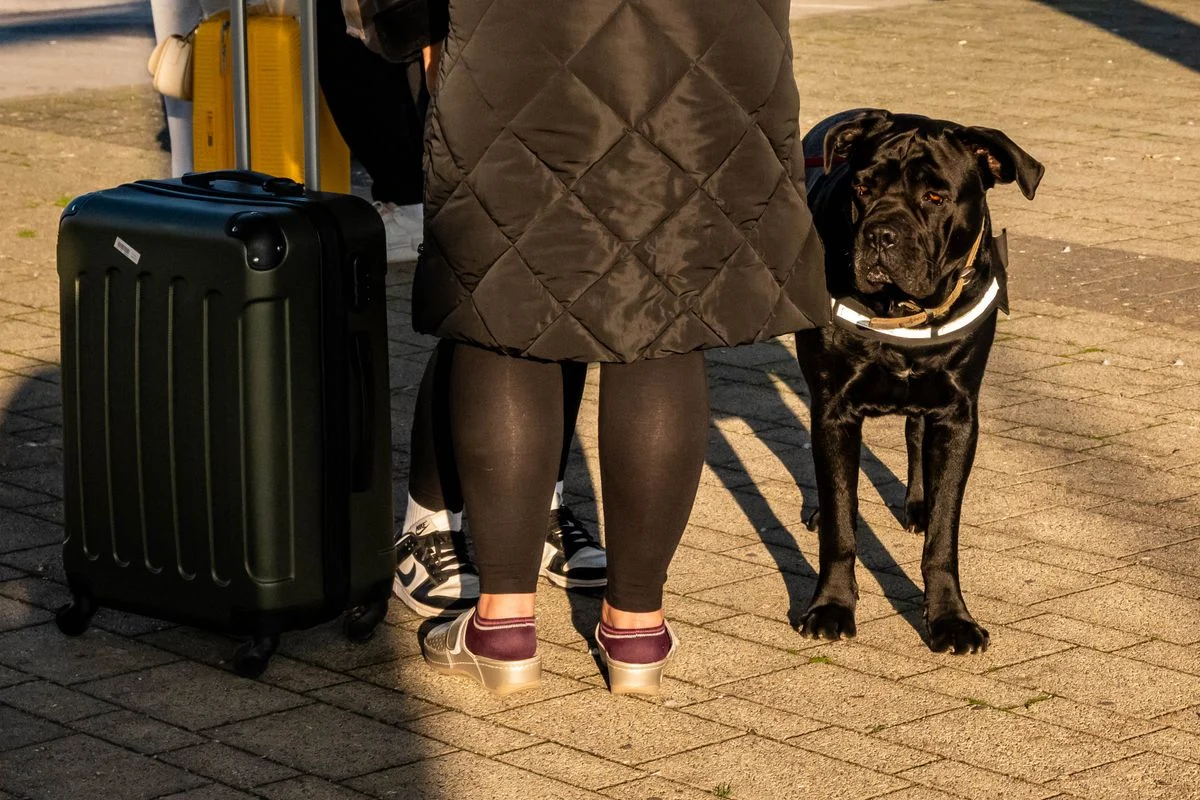
Keep a pet’s journey requirements and belongings in a distinct planning list, confirming arrangements with the relevant providers before deciding what goes in your own suitcase.
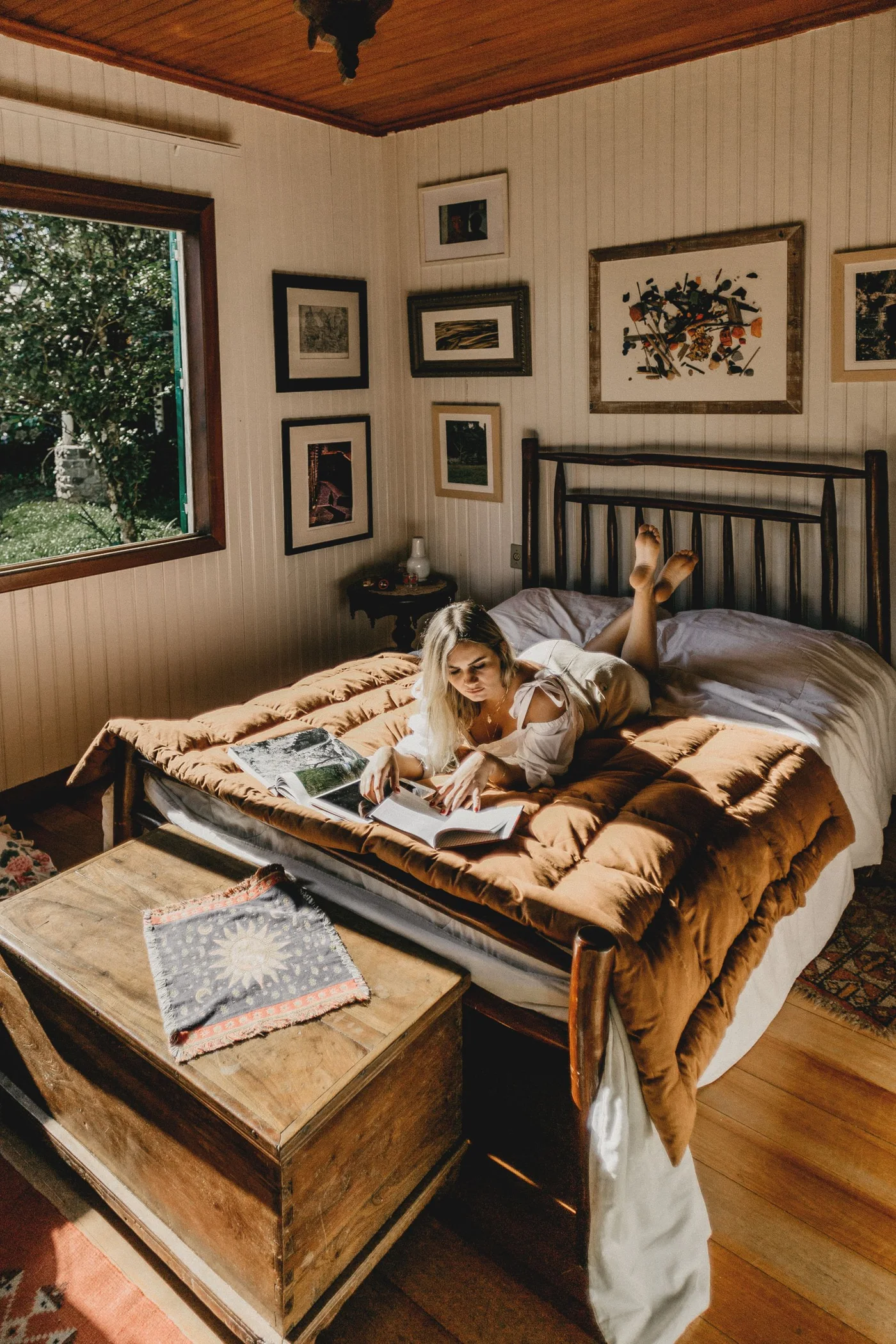
Discuss reading and lights-out preferences before sharing a hotel room, checking the actual room information and agreeing on a modest plan that works for both travellers.