Check a Café Outfit from the Chair as Well as the Mirror
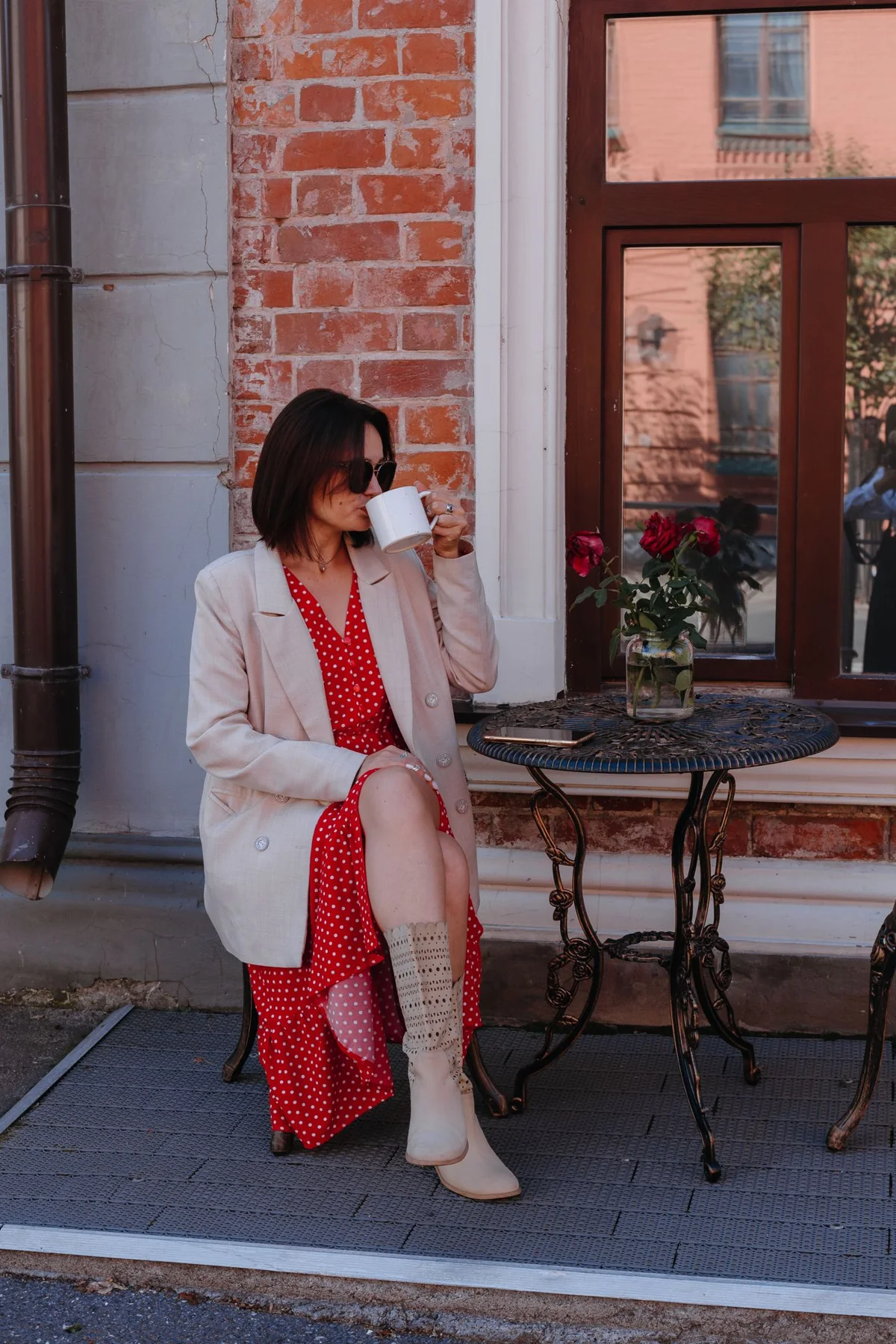
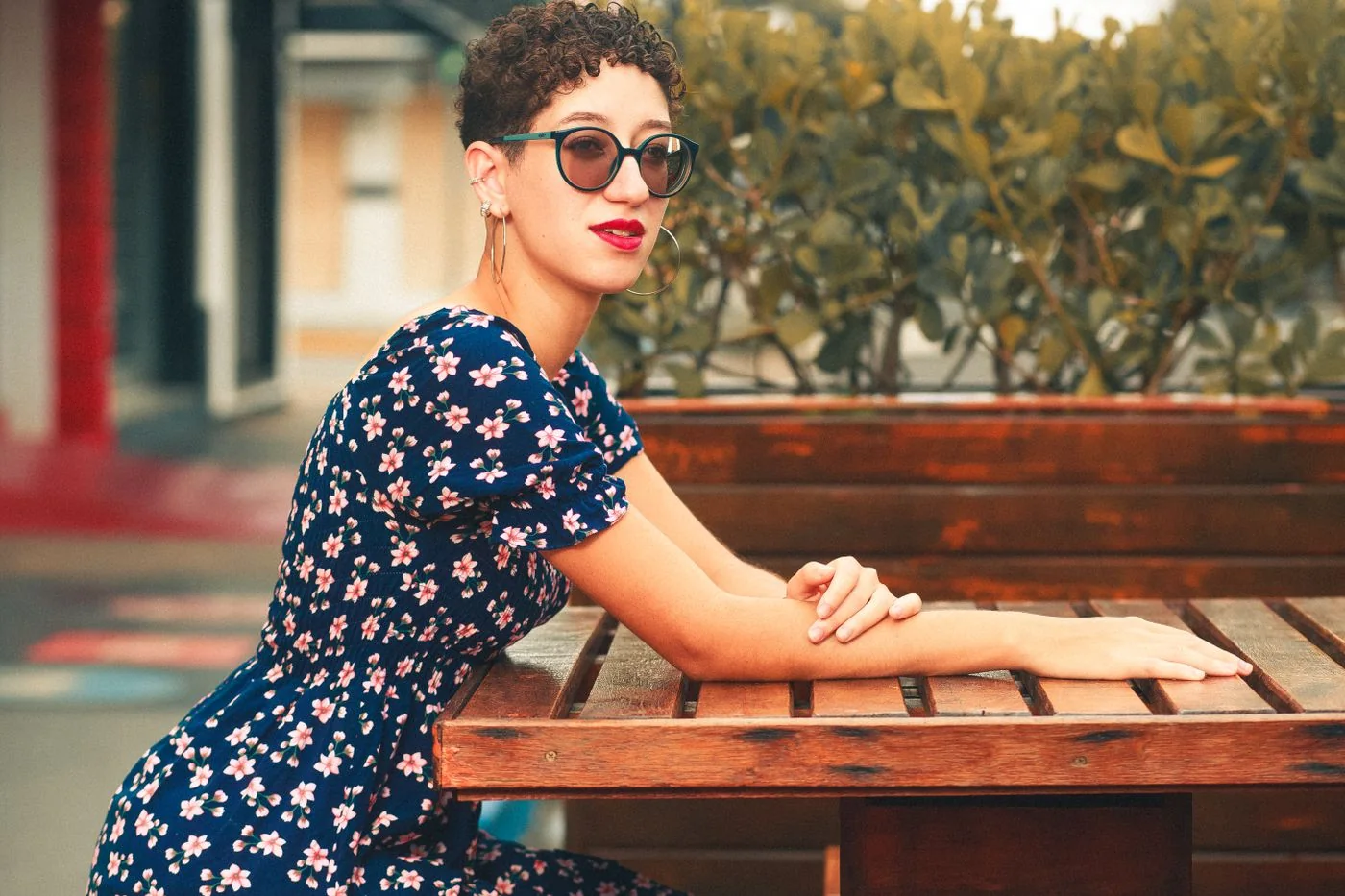
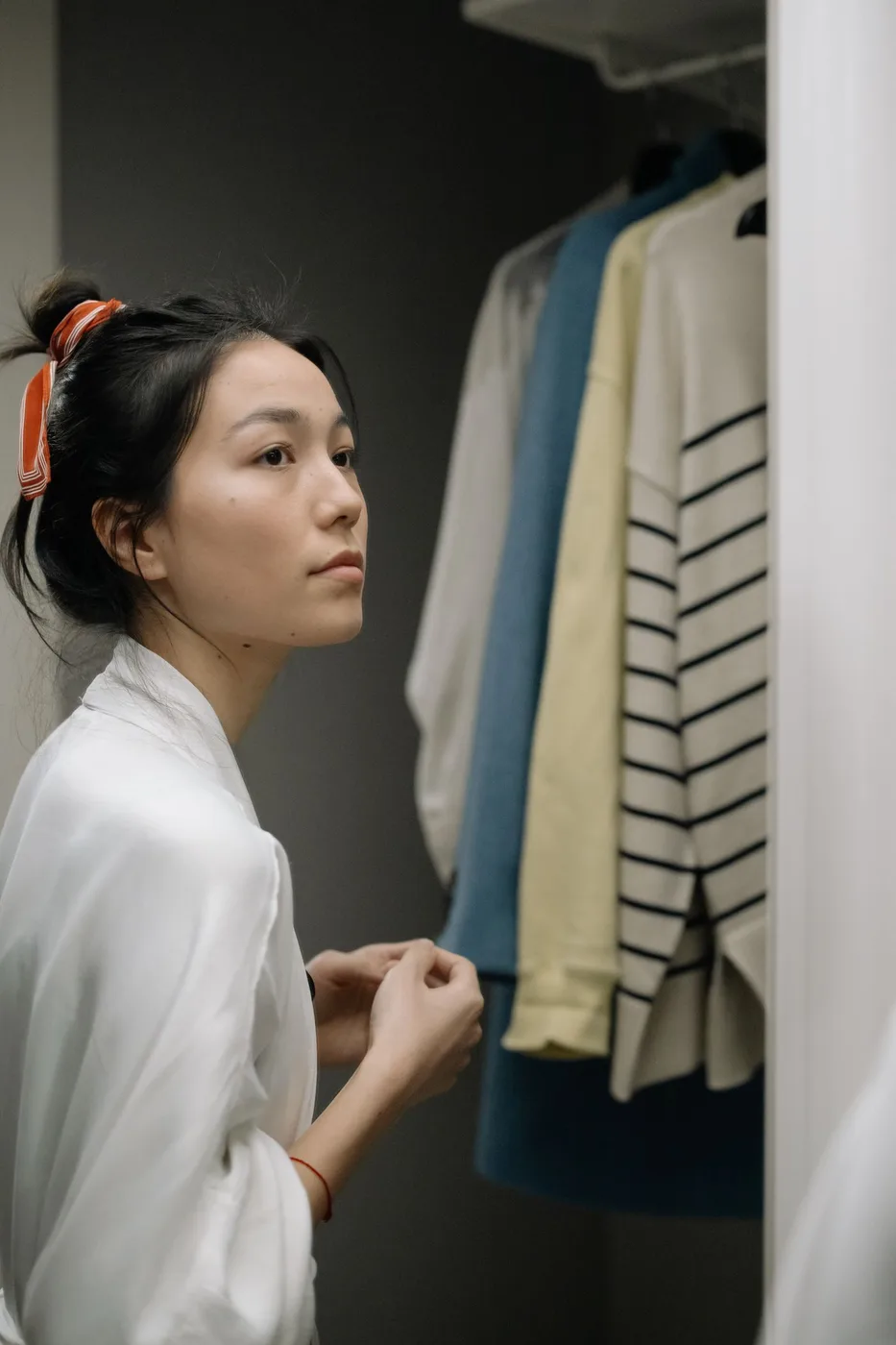
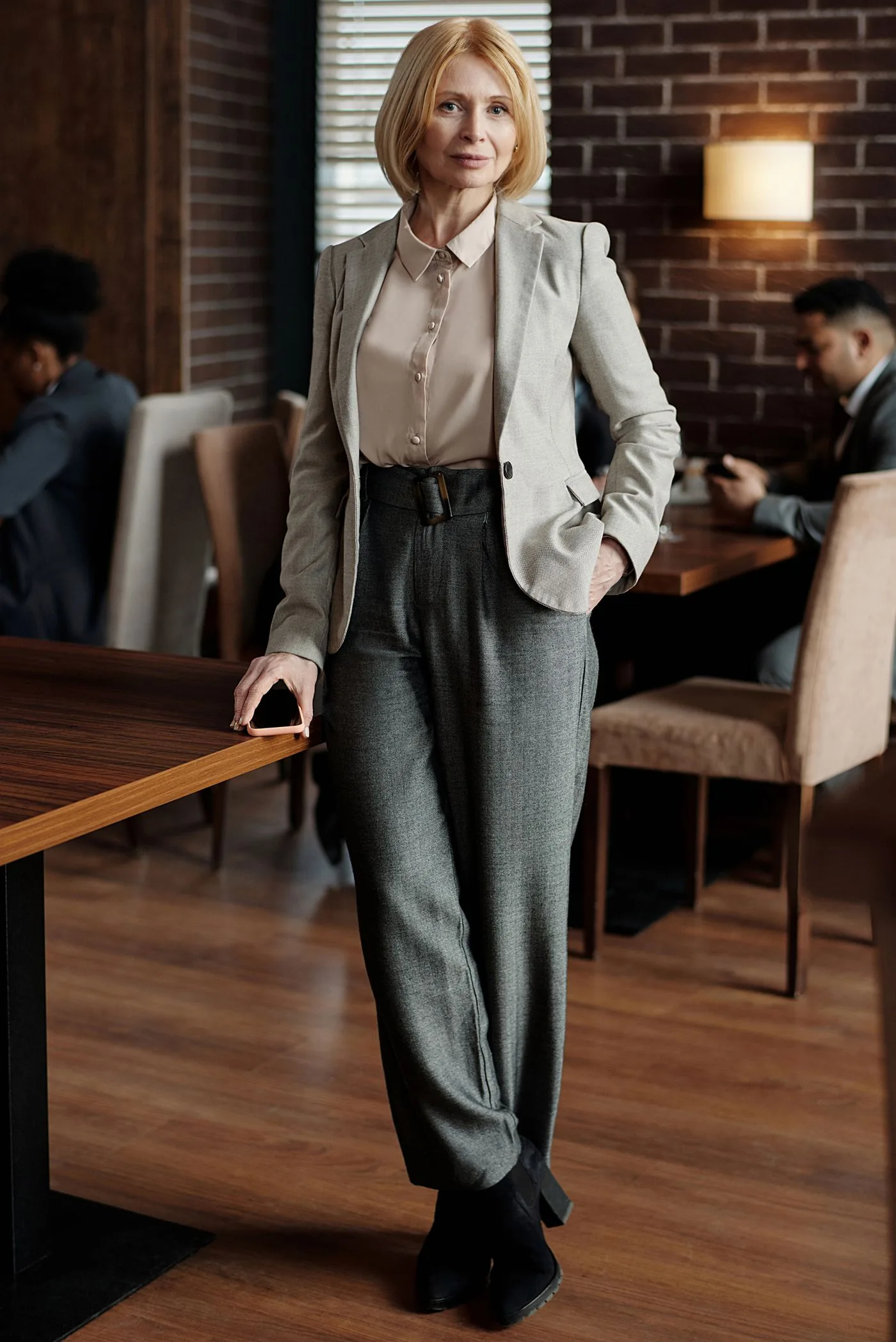
Check a café outfit through sitting, reaching and placing belongings, so the clothes work for the pause as well as the walk there.

Practical everyday outfits ideas, with details to consider before you shop or pack.
Check a café outfit through sitting, reaching and placing belongings, so the clothes work for the pause as well as the walk there.
Choose a practical handbag carrying arrangement for a route with tickets, doors and small handoffs, using the bag and layers you already own.
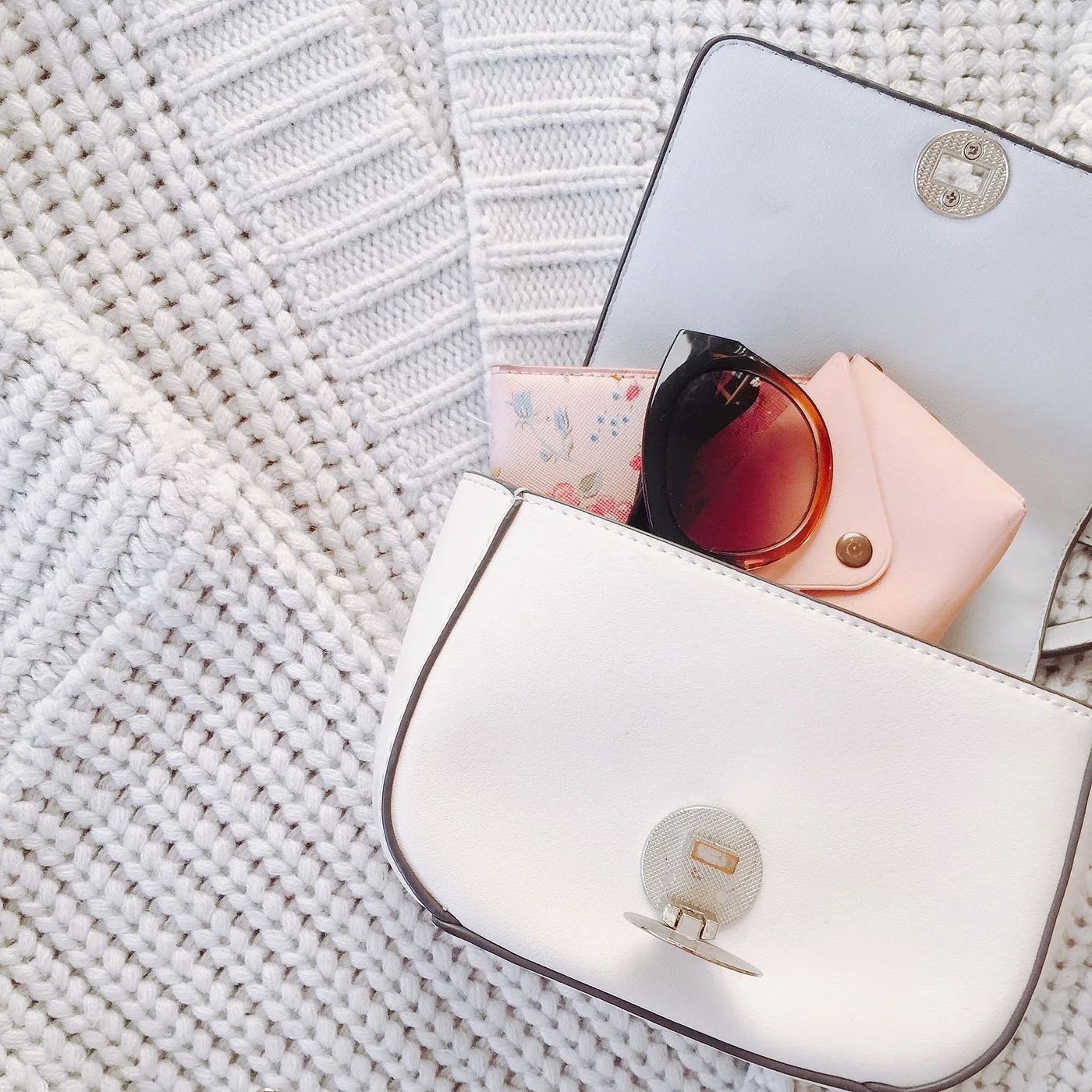
Give sunglasses a suitable return place before an outing, so moving indoors does not mean balancing them on a table or losing them among other belongings.
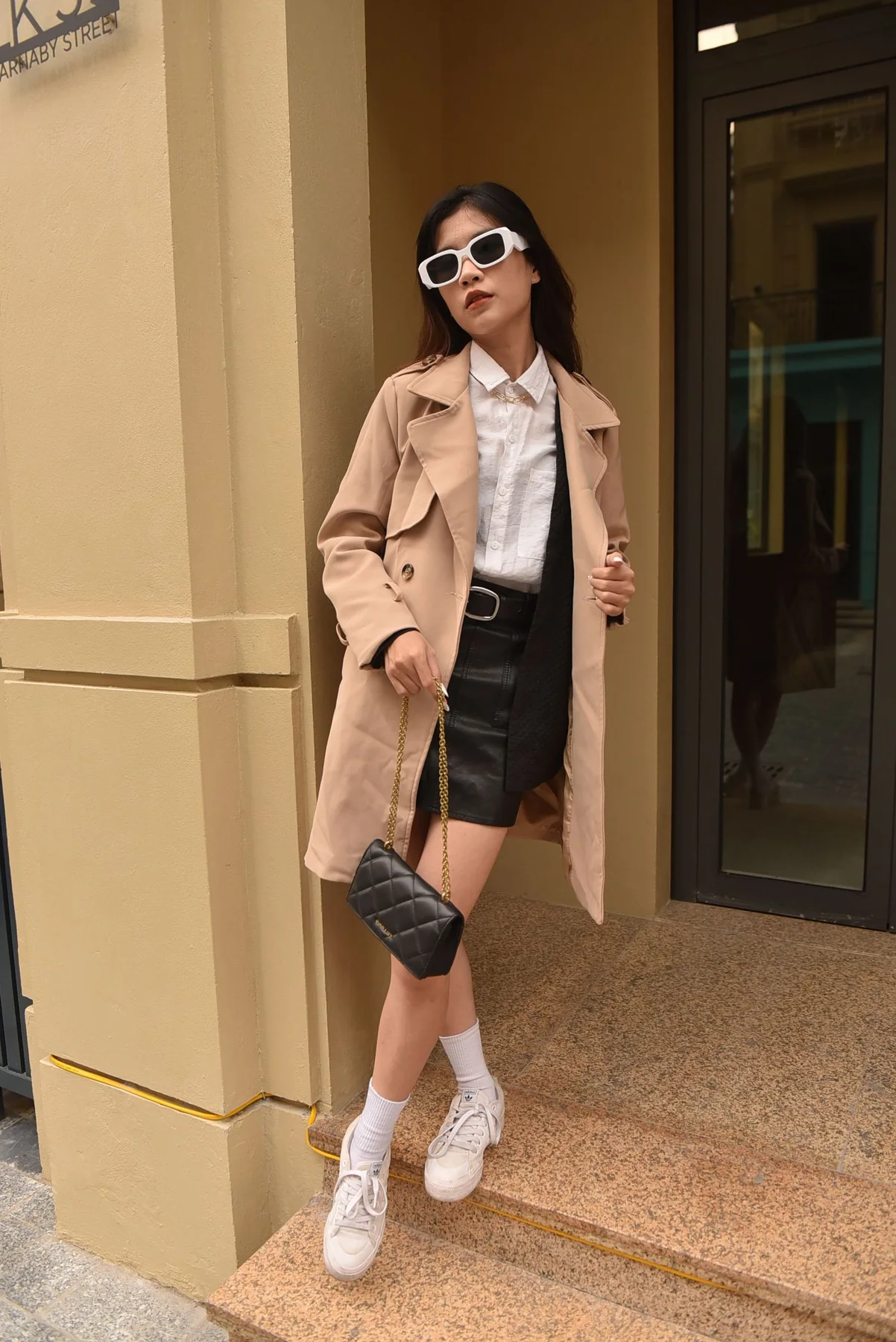
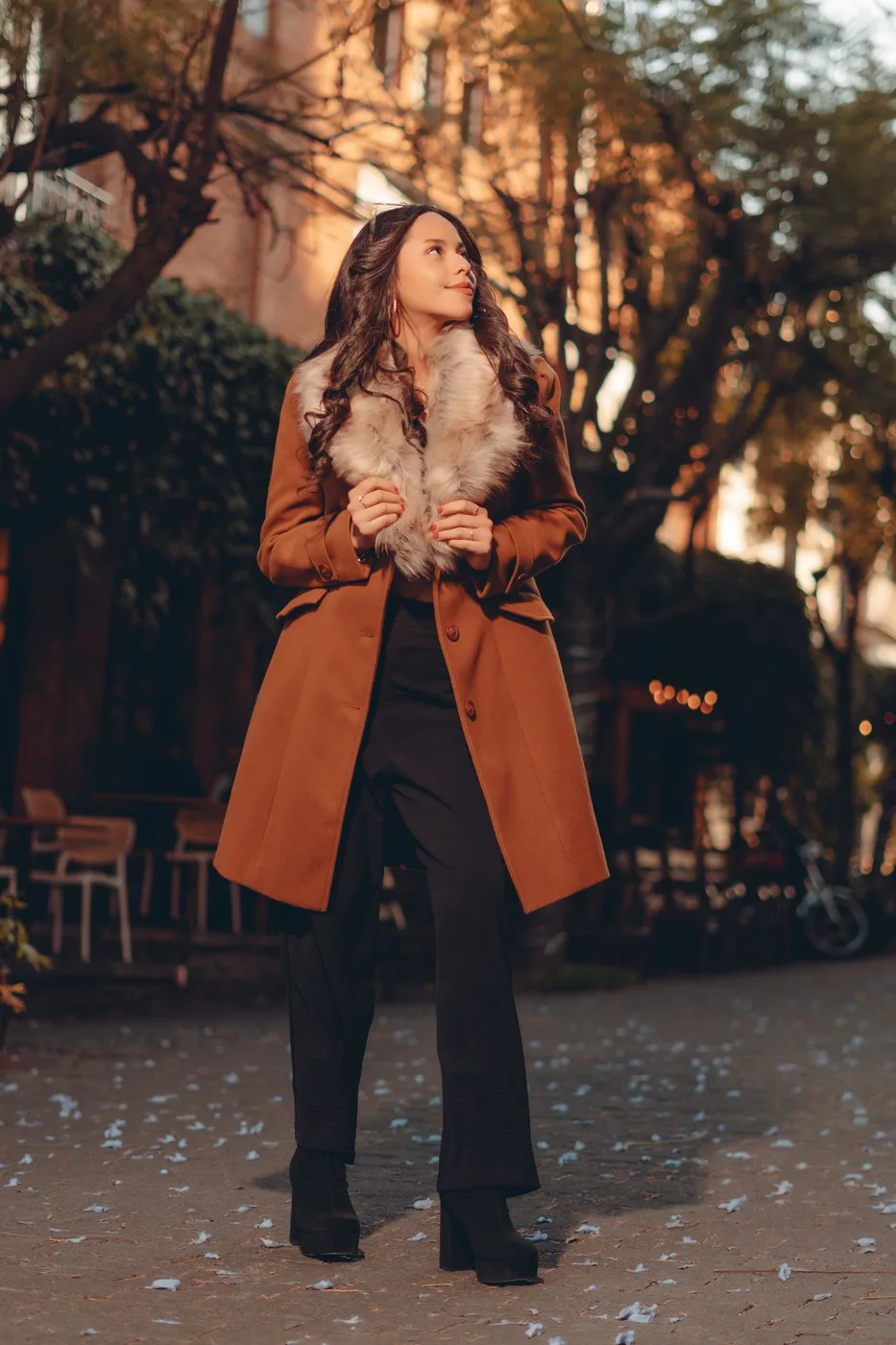
Choose a coat for a day with several indoor stops by checking the outfit underneath, carrying arrangements and the repeated act of taking it off.
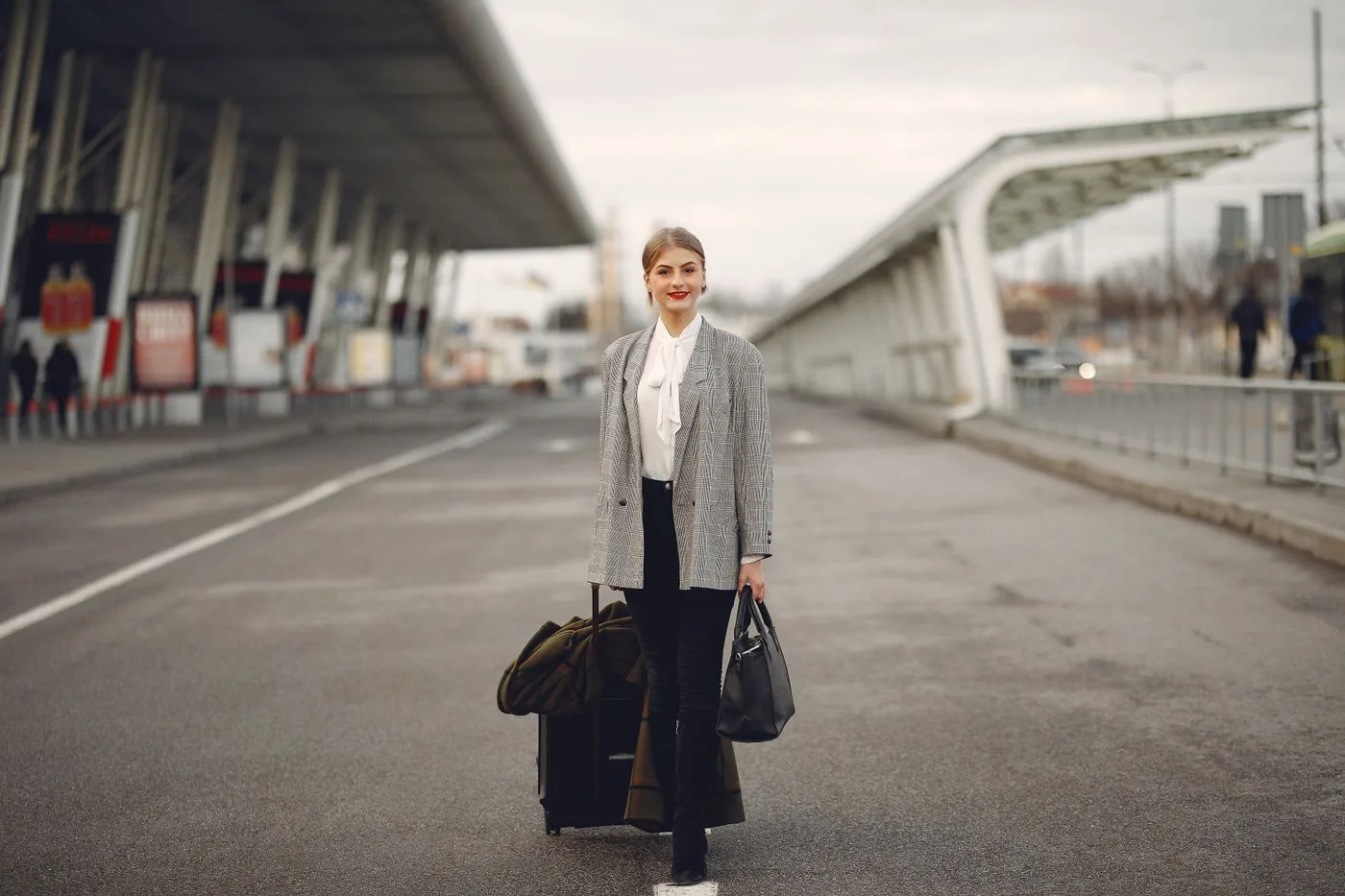
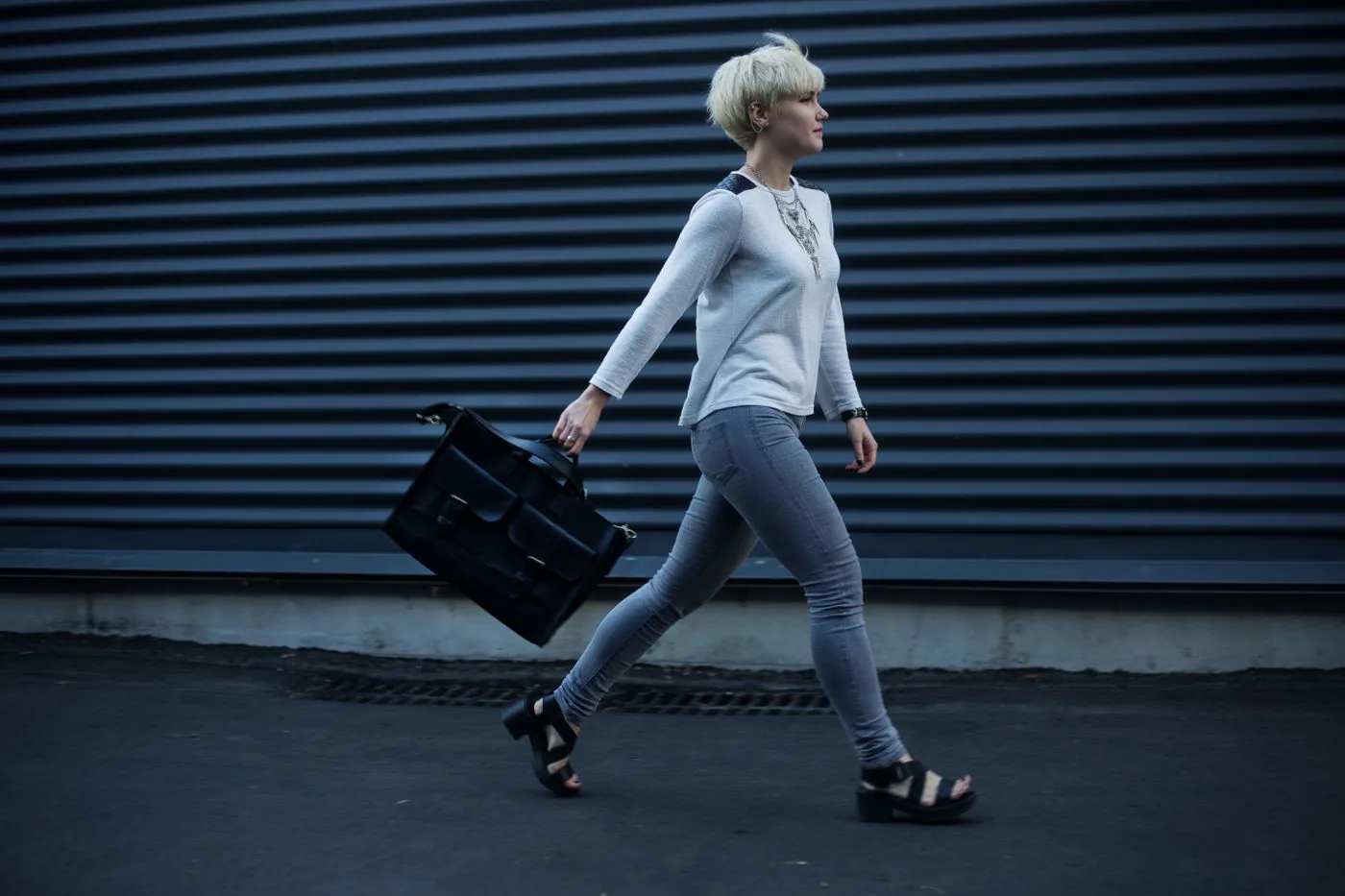
Check a long coat through walking, steps and seated travel, using the intended shoes and layers before choosing it for the route.
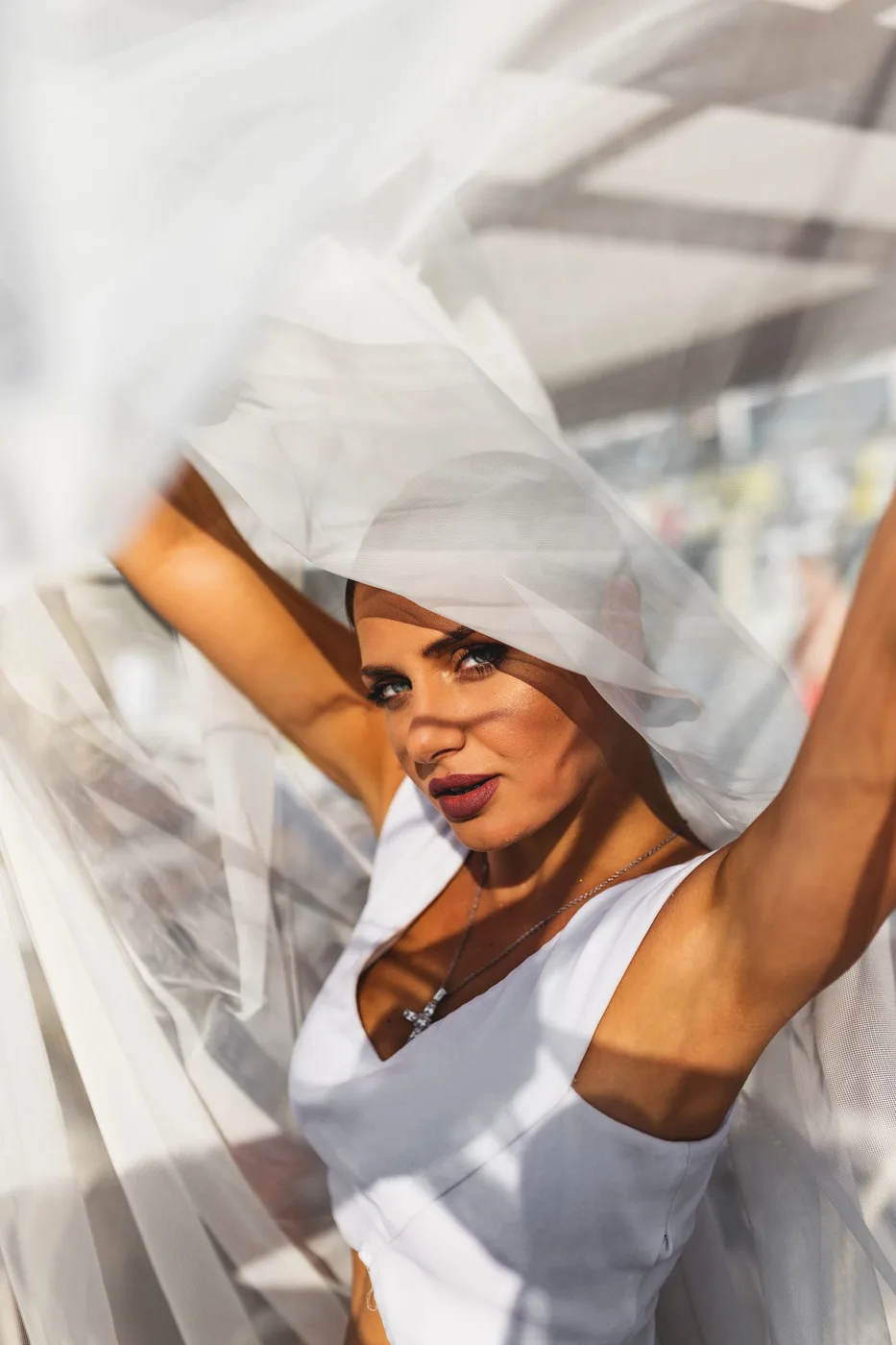
Give a sheer layer an appropriate place in a travel outfit and bag, checking its care needs, fastening and use before packing it.
Borrow a garment for a trip with clear care, packing and return arrangements, after trying it with the complete outfit you intend to wear.
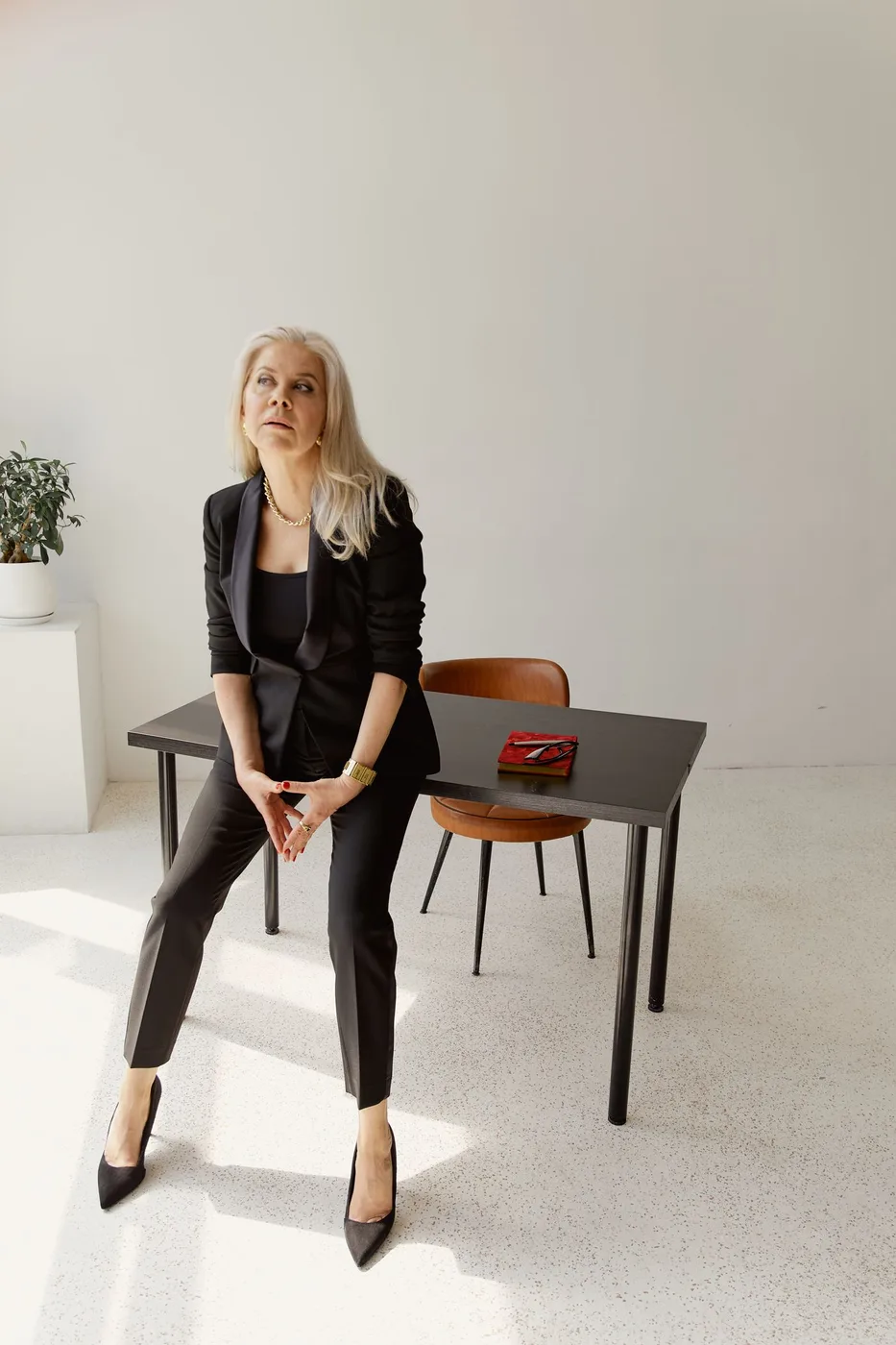
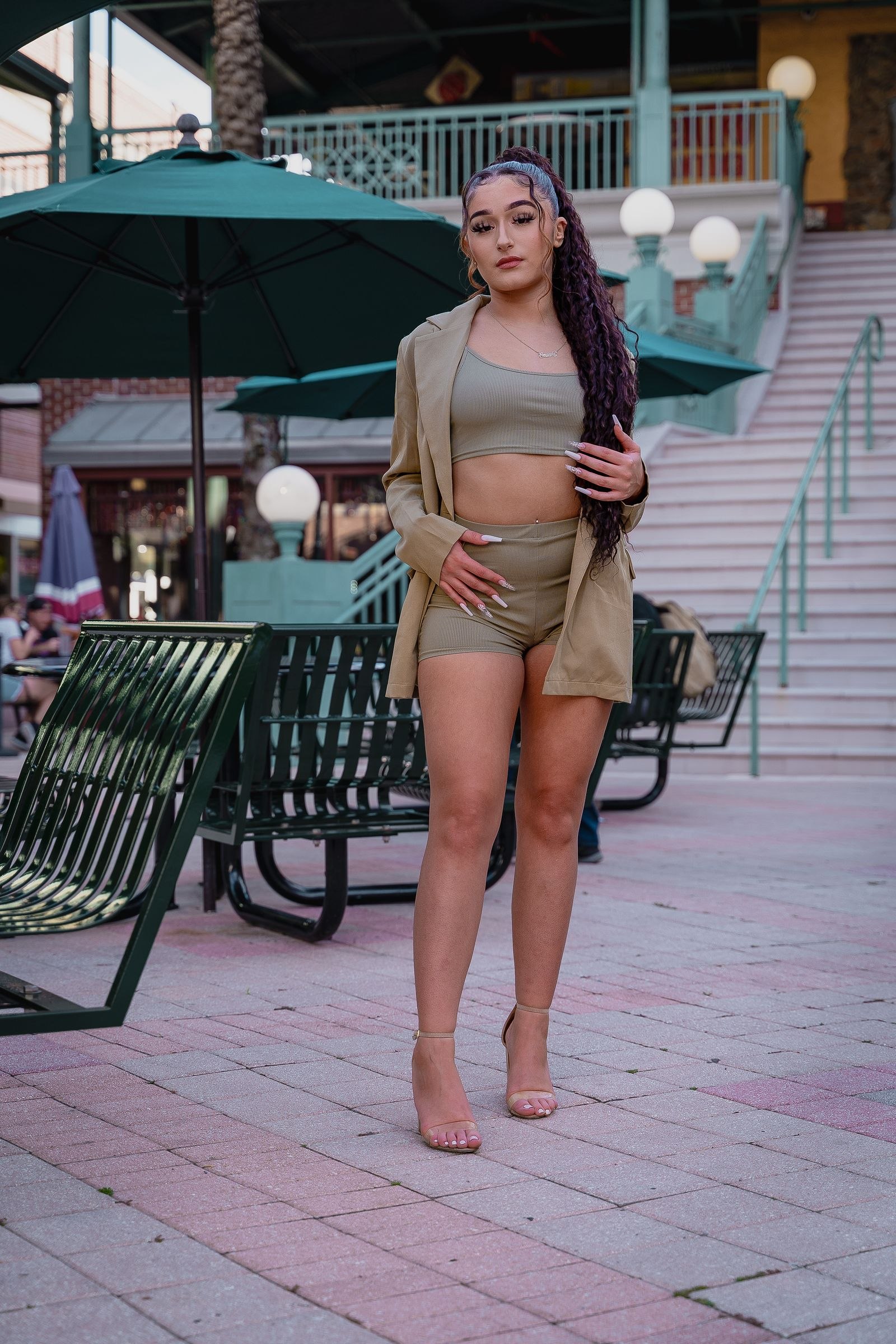
Pair cropped trousers with an evening shoe by checking the hem in motion, comfortable walking and the outer layers needed for the actual route.
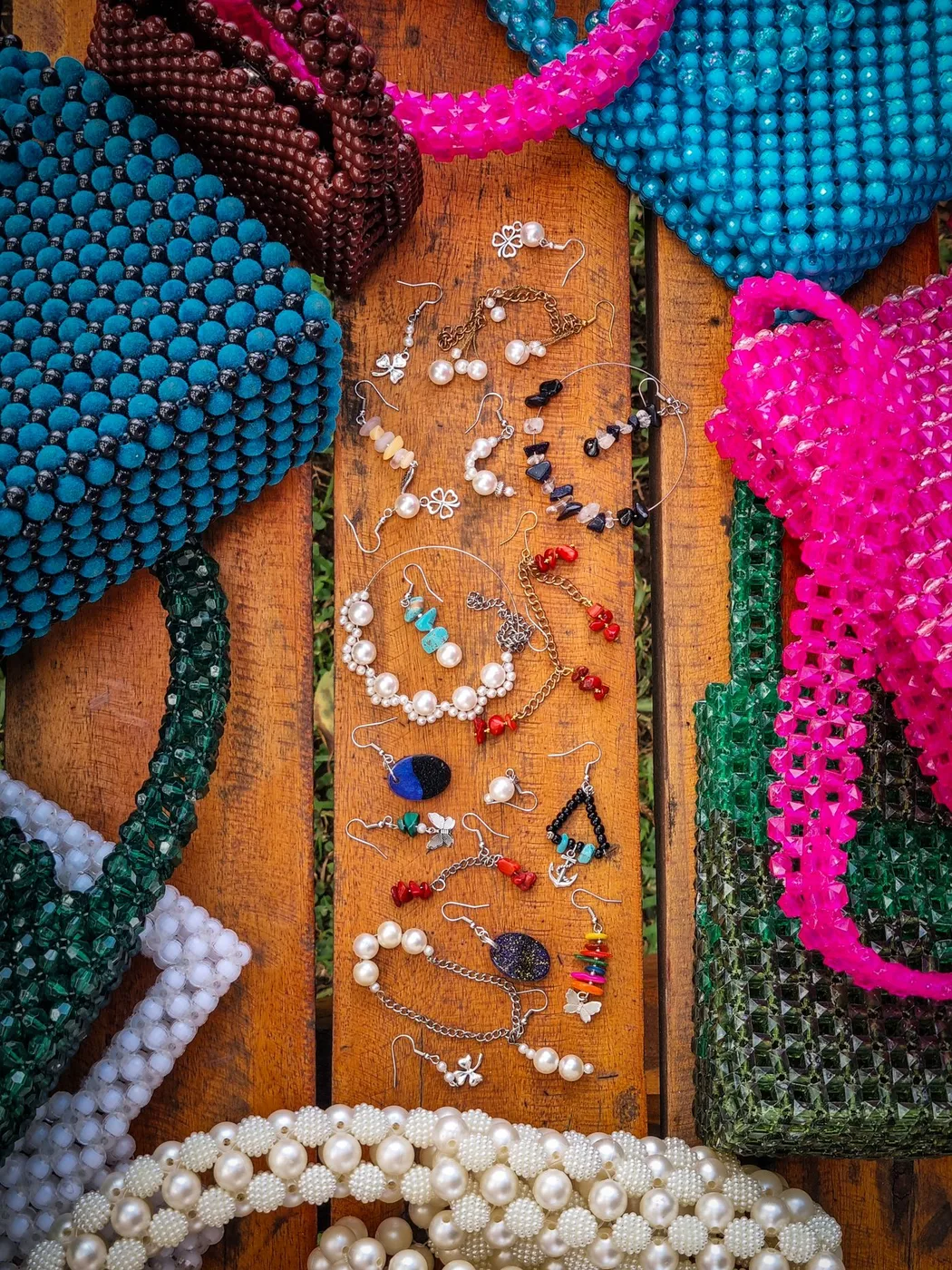
Inspect a beaded bag’s interior, opening and intended carrying arrangement before choosing it for an evening away.
Check a hat with the knit neckline and outer layer planned for travel, including removing it indoors and carrying it appropriately.
Choose a trench coat length for a damp route by checking the hem with your footwear, walking movement and plans for drying the coat afterwards.
Check a scarf within the actual coat collar and fastening, including the open version and the moment both pieces come off indoors.
Try pleated trousers through a seated journey with the actual waistband position, layers and footwear before assigning them to travel.
Build a small accessory group around a patterned dress, checking practical roles and outfit interactions before adding more pieces for a trip.
Keep a shirt available for the journey back from a coastal outing, with a suitable wearing plan and a separate place when it is not in use.
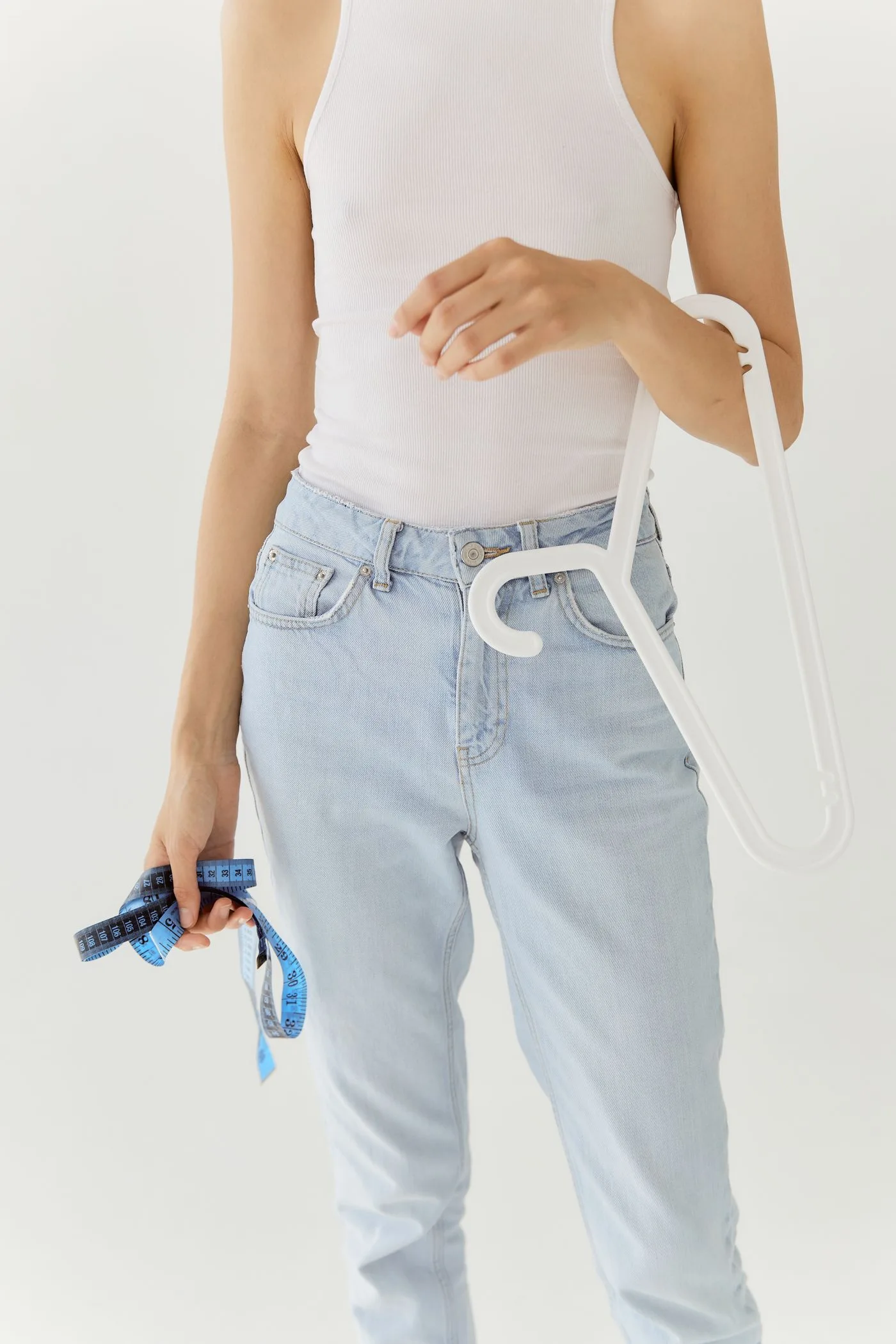
Check a jeans waistband with the layers and seated movements of the intended journey before choosing it as the travel-day pair.
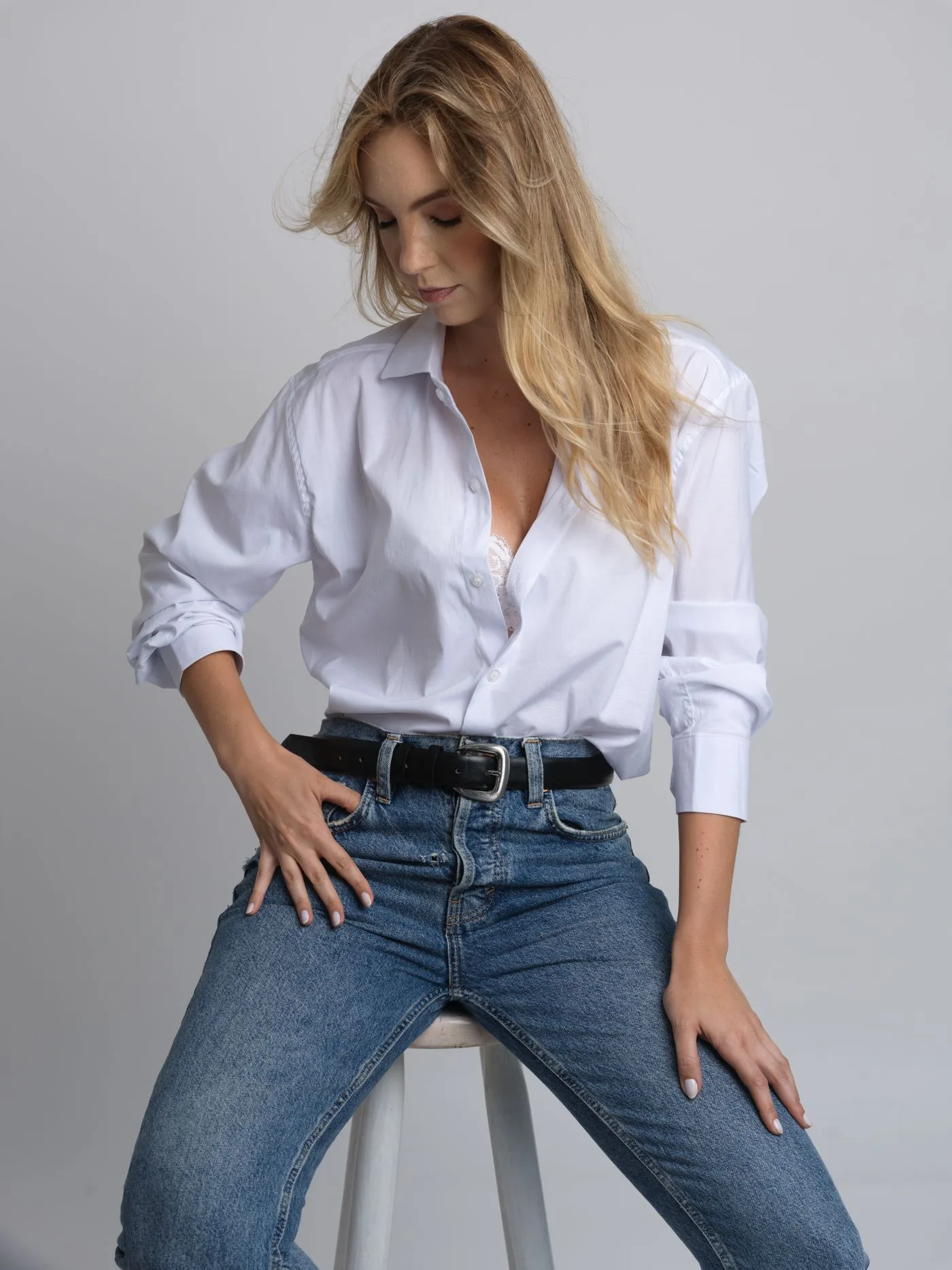
Choose a shirt tuck through sitting, walking and carrying a bag, using the actual trousers and outer layer rather than a fixed outfit formula.
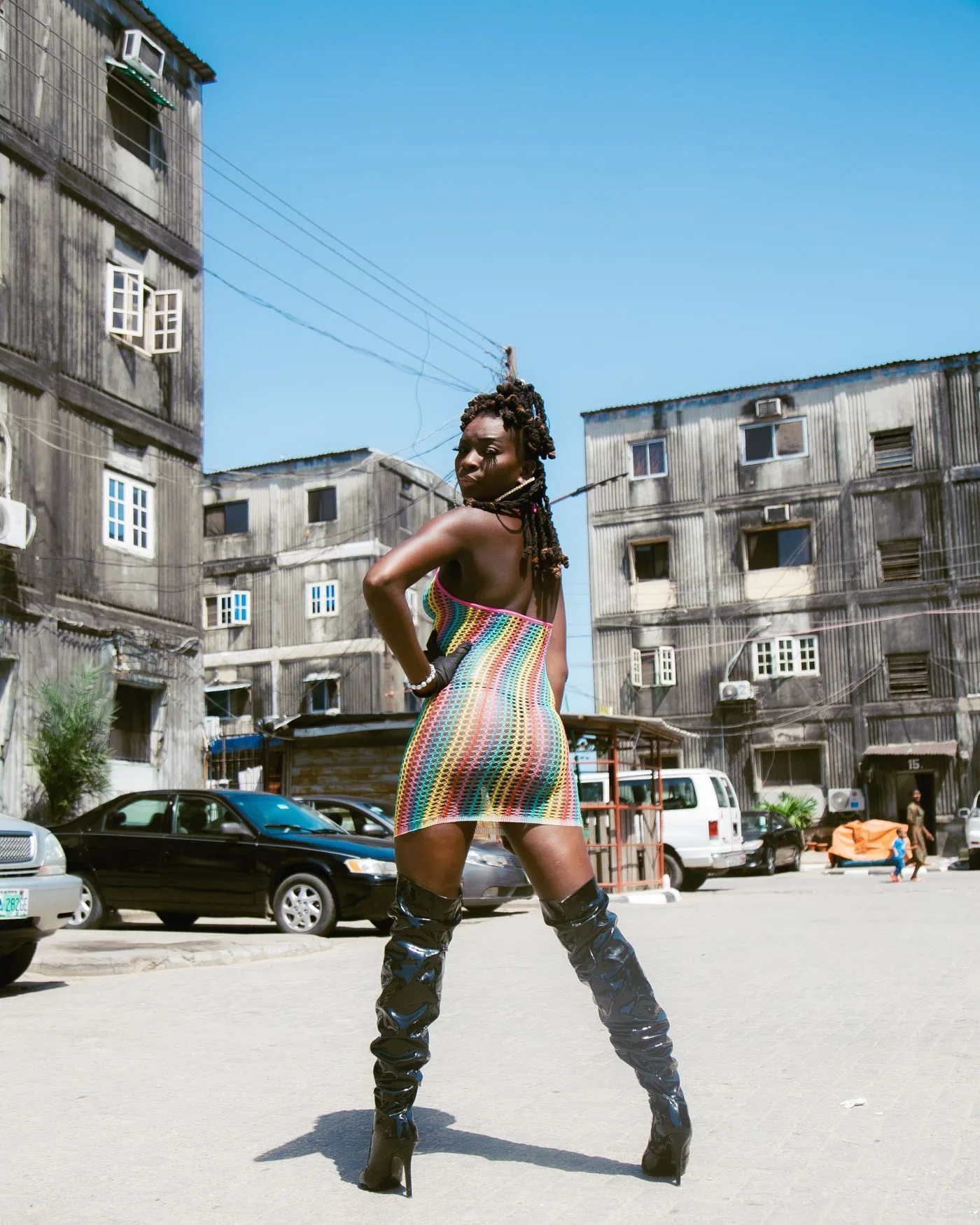
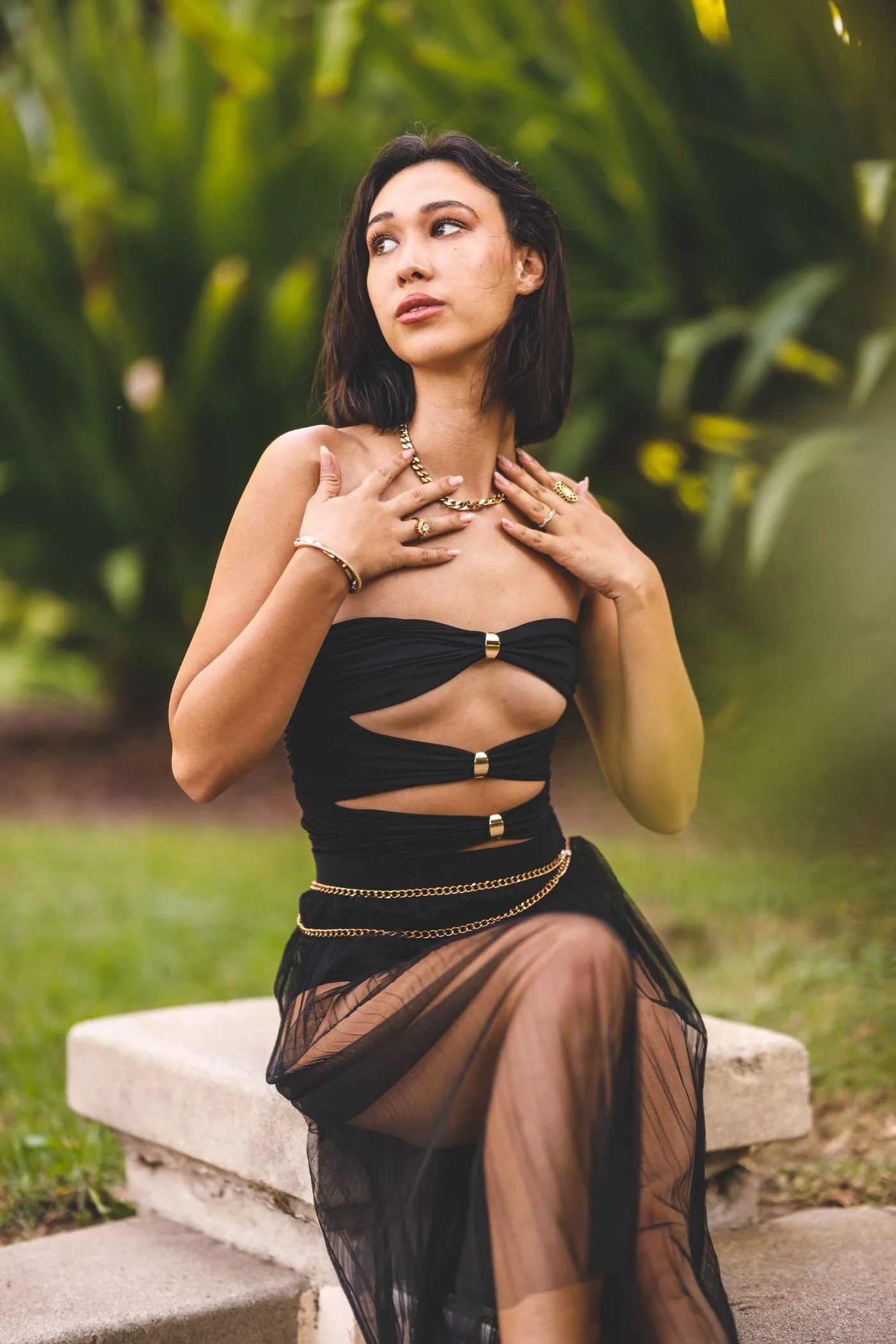
Plan a cutout dress with the layers, coverage and practical movements you prefer before packing it for an evening away.
Check how coat cuffs meet a rolling case handle through ordinary movement, using the packed case and layers planned for the journey.
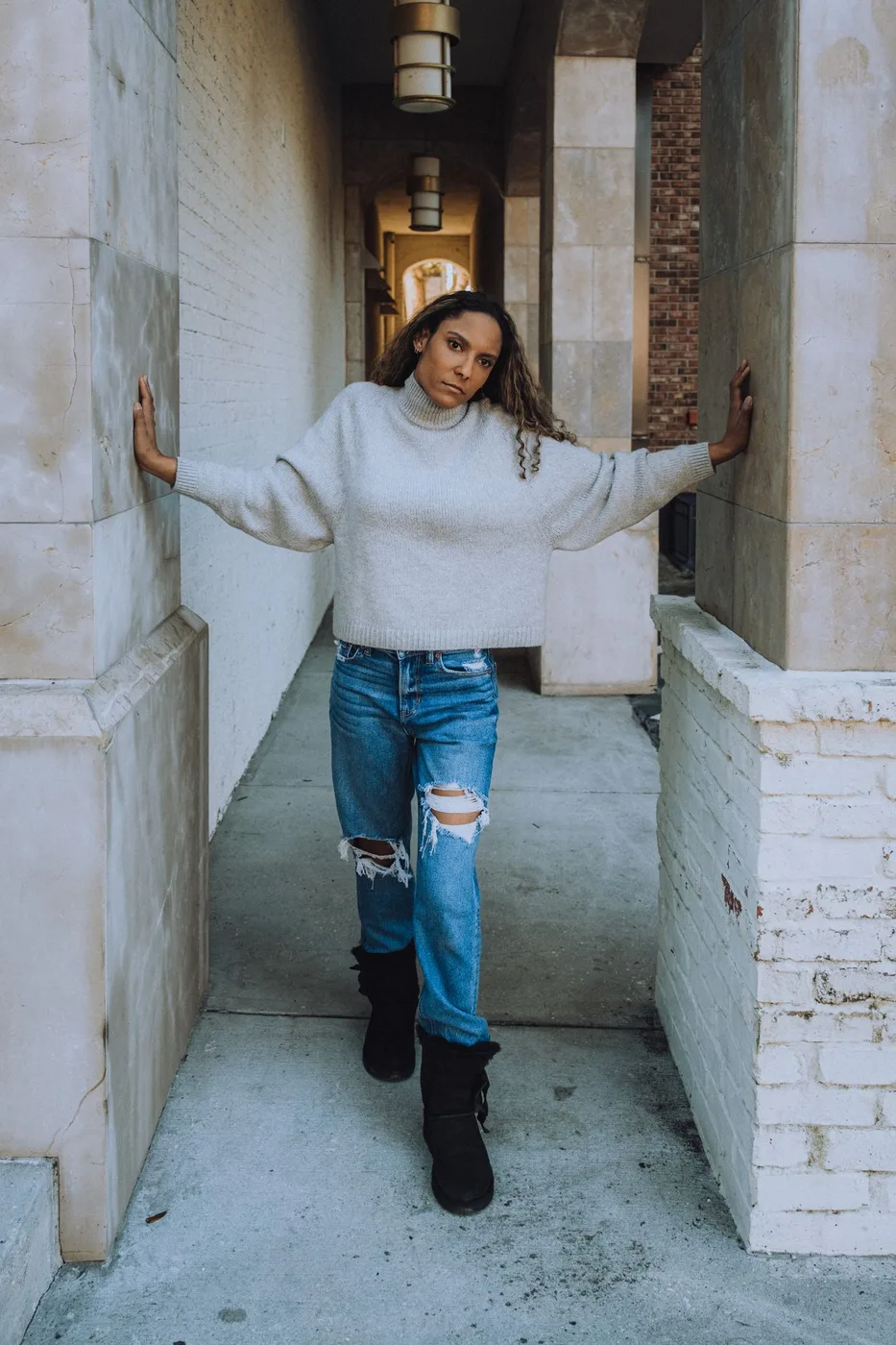
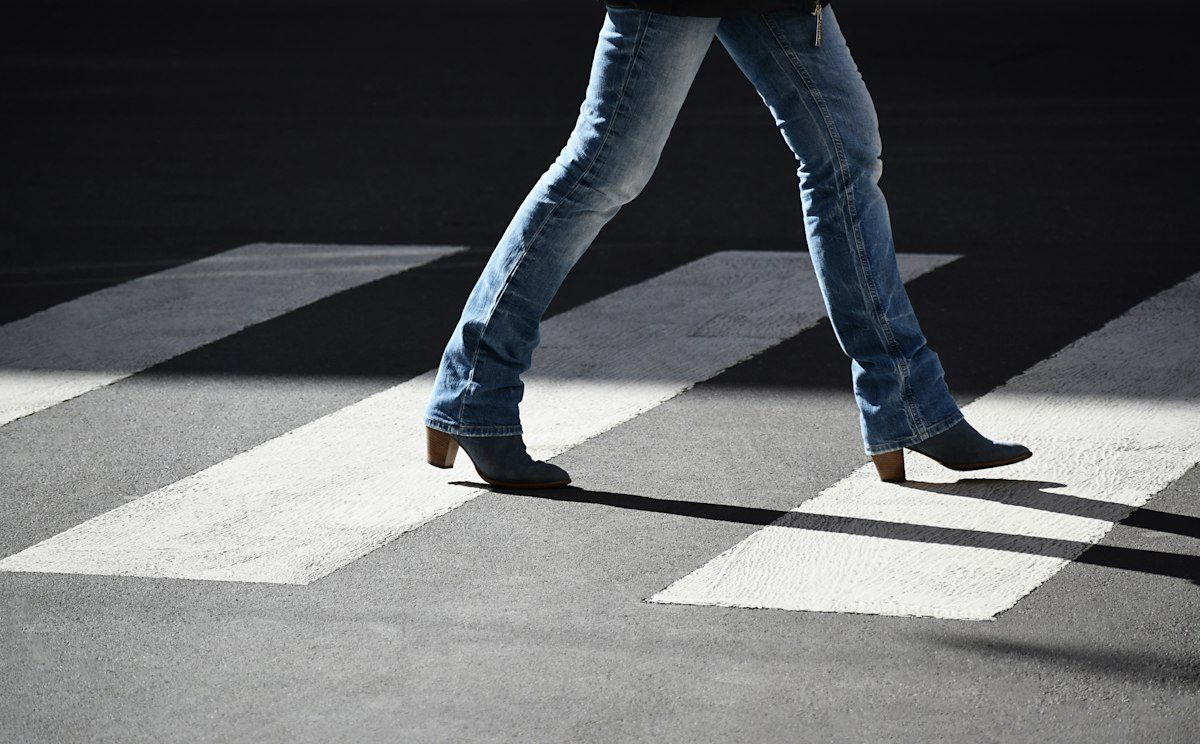
Pair a shirt hem, jeans and ankle boots through ordinary walking and sitting, checking the complete outfit before packing several alternatives.
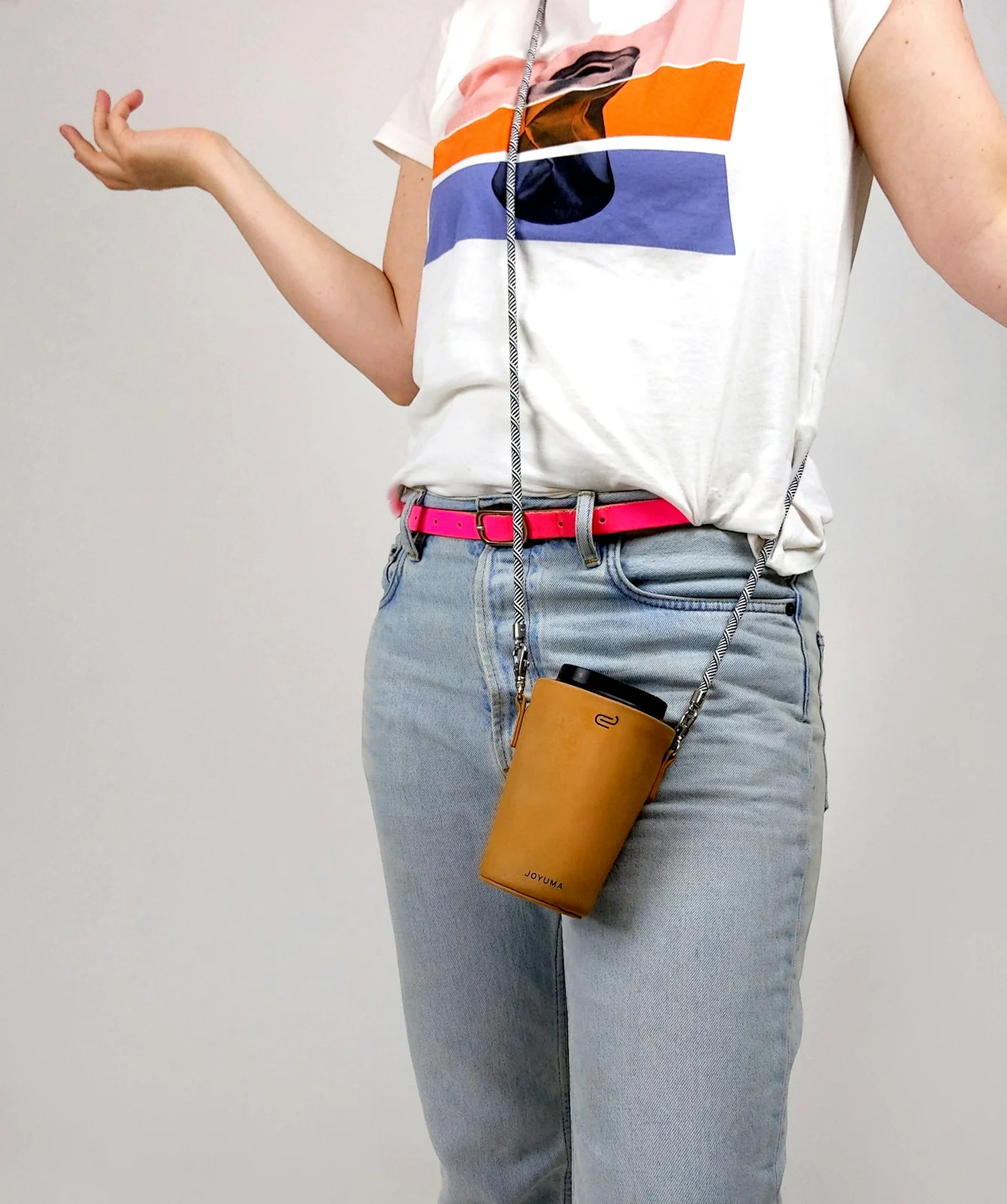
Assess a cup carrier through its intended use and the clothing around its strap, without assuming a photograph establishes performance or suitability.
Choose the button arrangement of a blouse with its intended base layers, then add the jacket and check ordinary movement before keeping the outfit as a reference.
Give a matching-tone outfit one deliberate contrast using an existing bag, shoe or layer, then compare the complete combination in the way you plan to wear it.
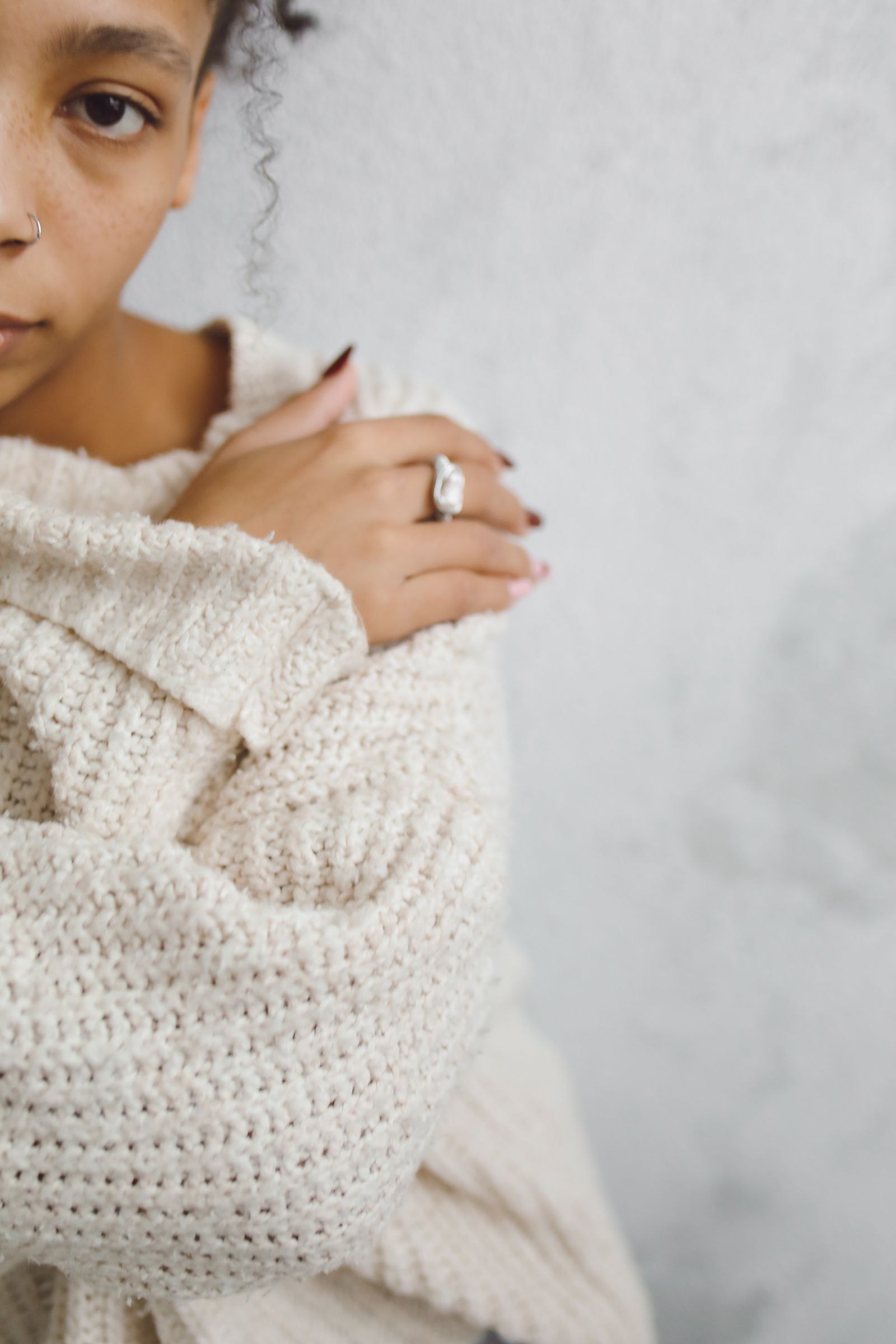
Let a pale knit neckline set a clear frame for the outfit, comparing the intended base layer and one existing accessory before adding further visual details.
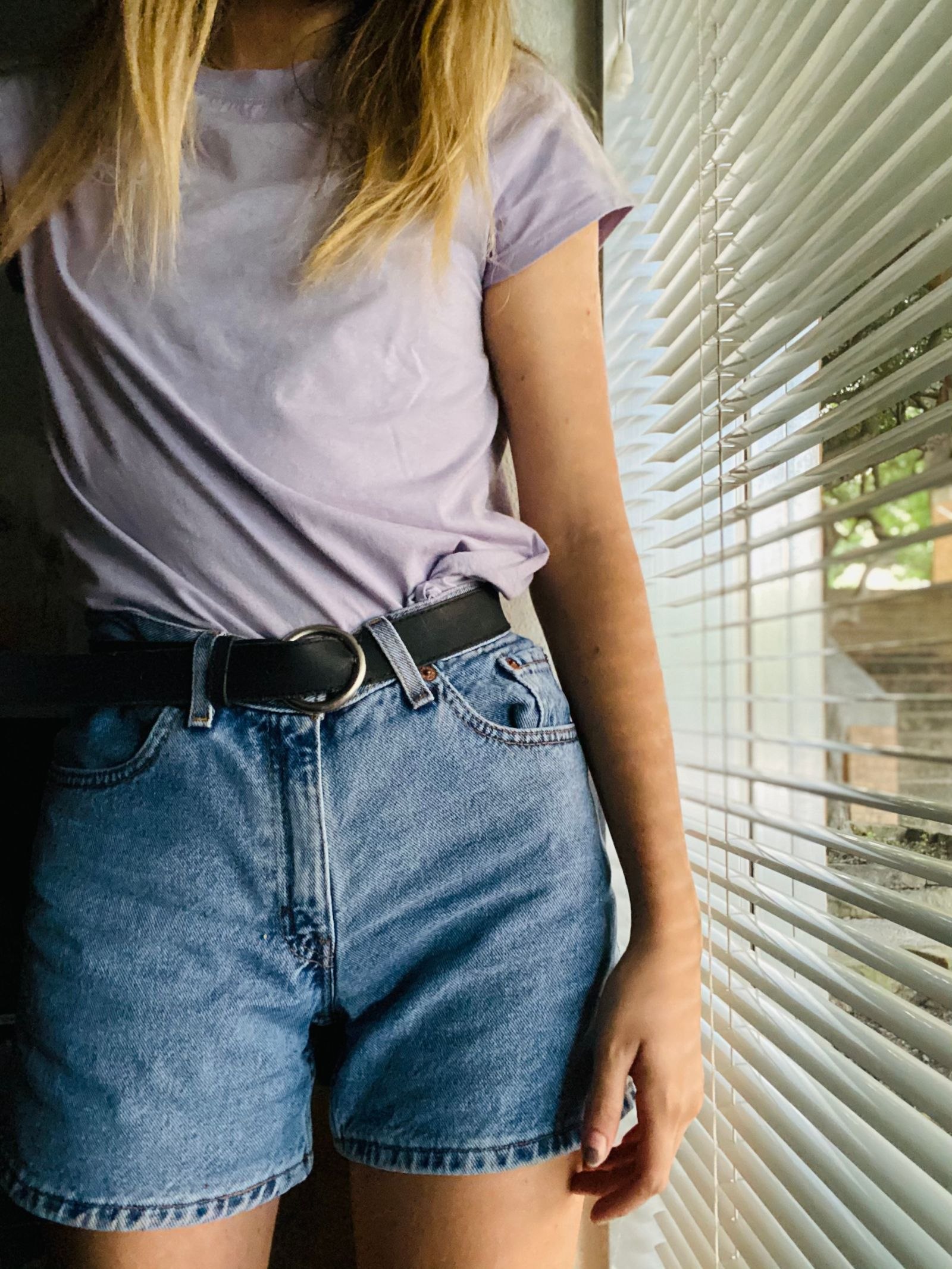
Check how a belt buckle and shirt knot share the waist of an outfit, then try sitting and moving before choosing a repeatable arrangement for the day.
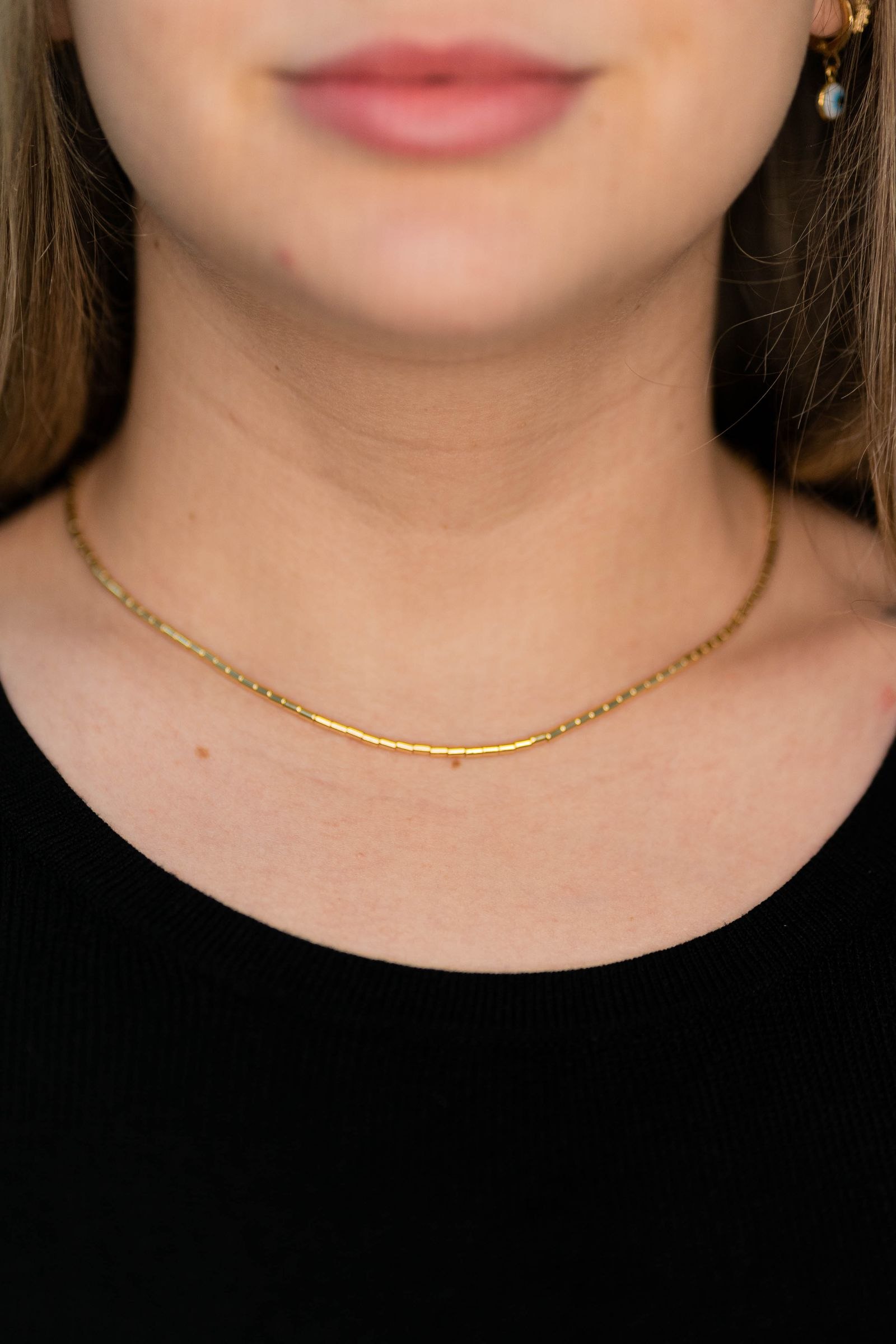
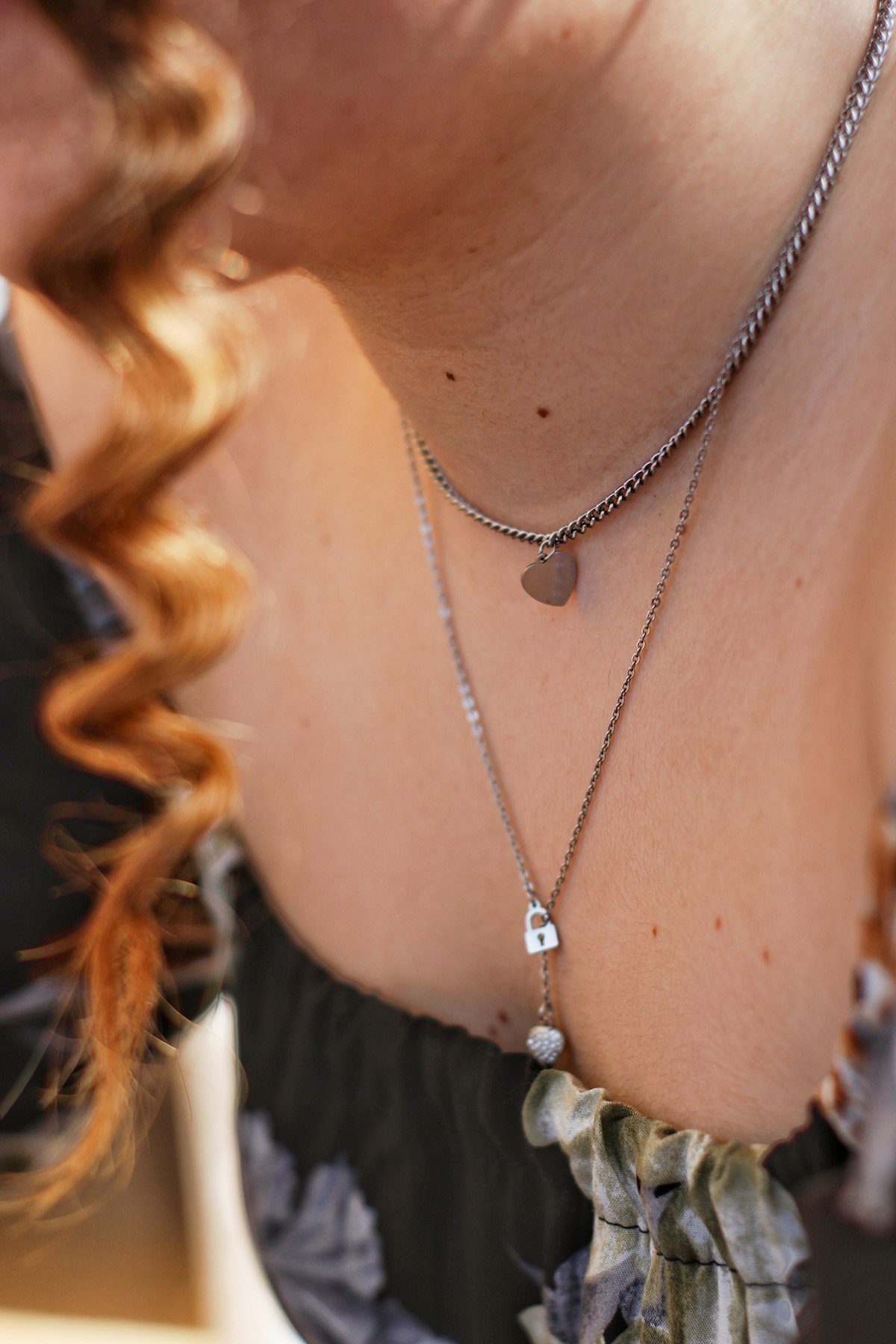
Choose where a fine necklace sits against a plain top, comparing the actual neckline and outer layer before keeping the pairing in a small travel wardrobe.
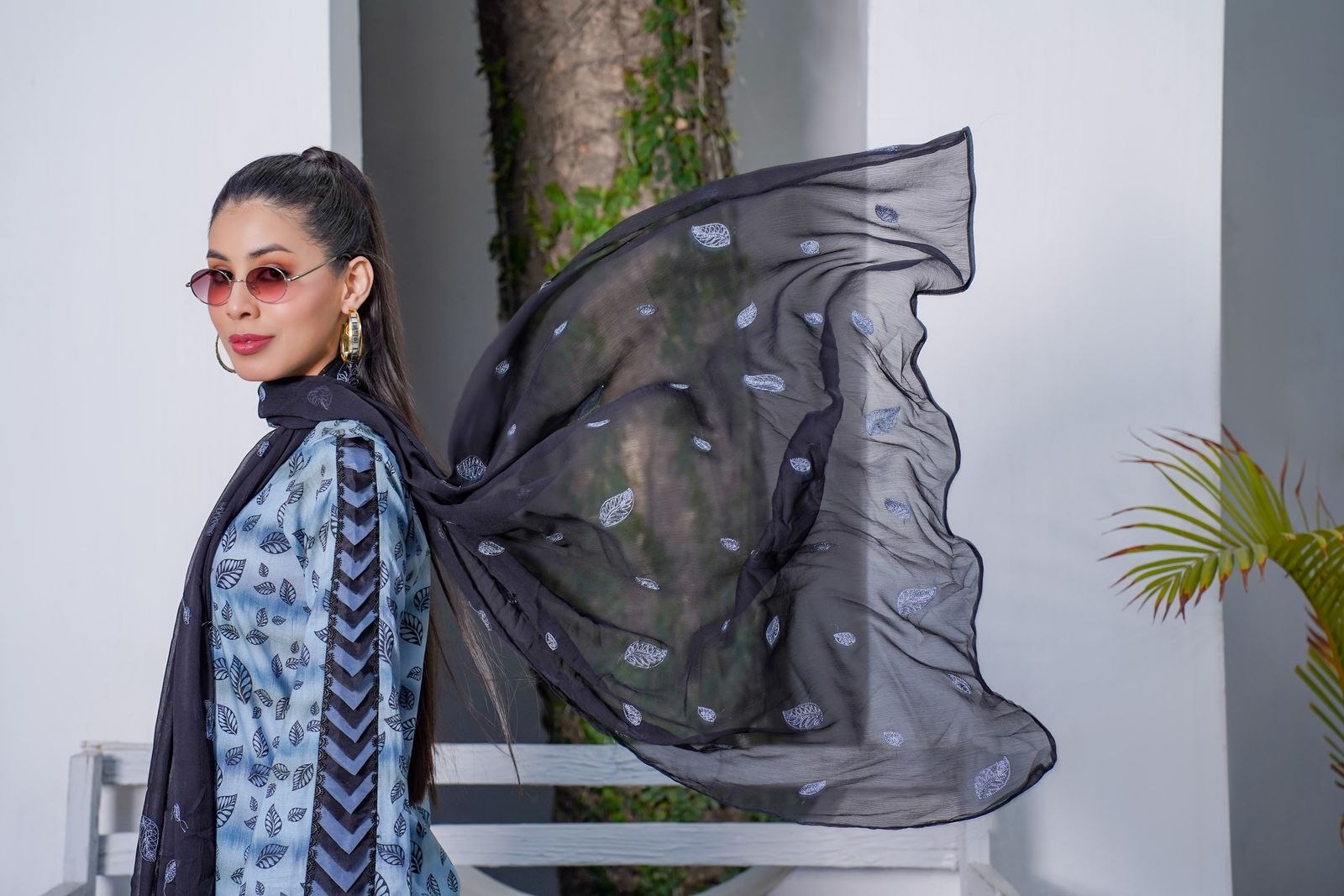
Compare the visible ends and width of a long scarf with the actual outfit, keeping its ordinary movement and the indoor version of the clothes in view.
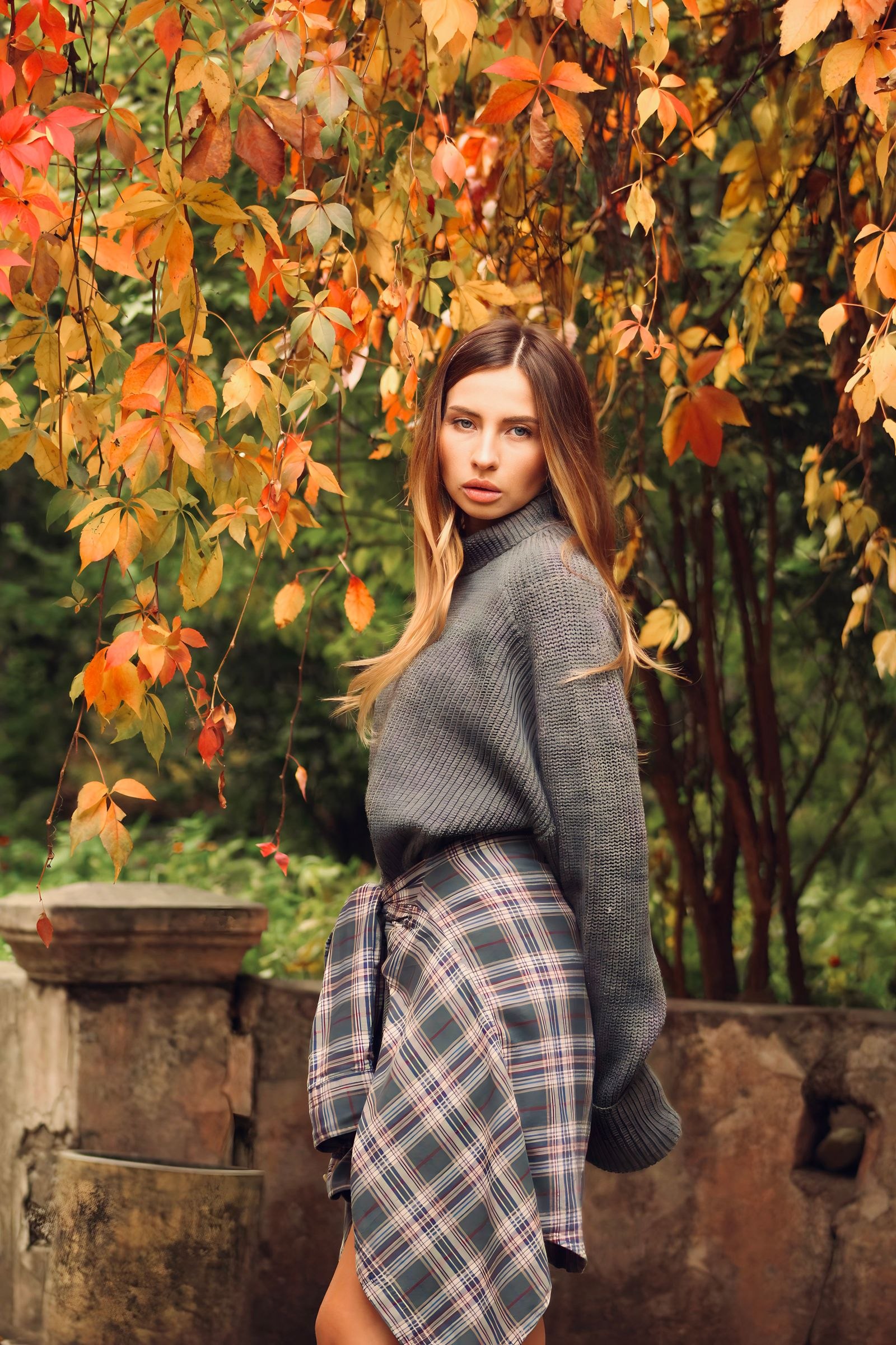
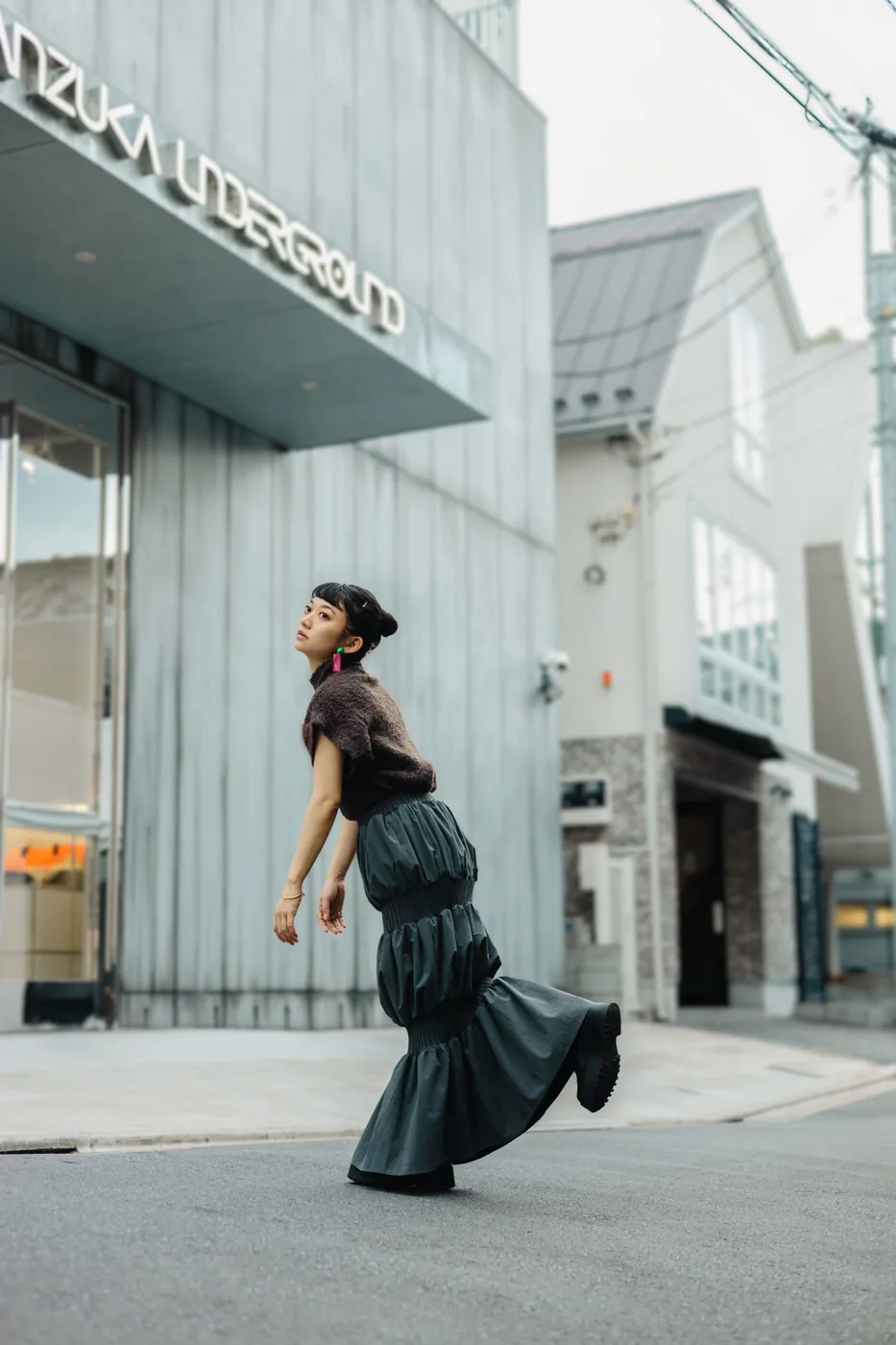
Compare a checked skirt with the actual knit you intend to pack, looking at visible texture, hem position and the complete outfit before adding another option.
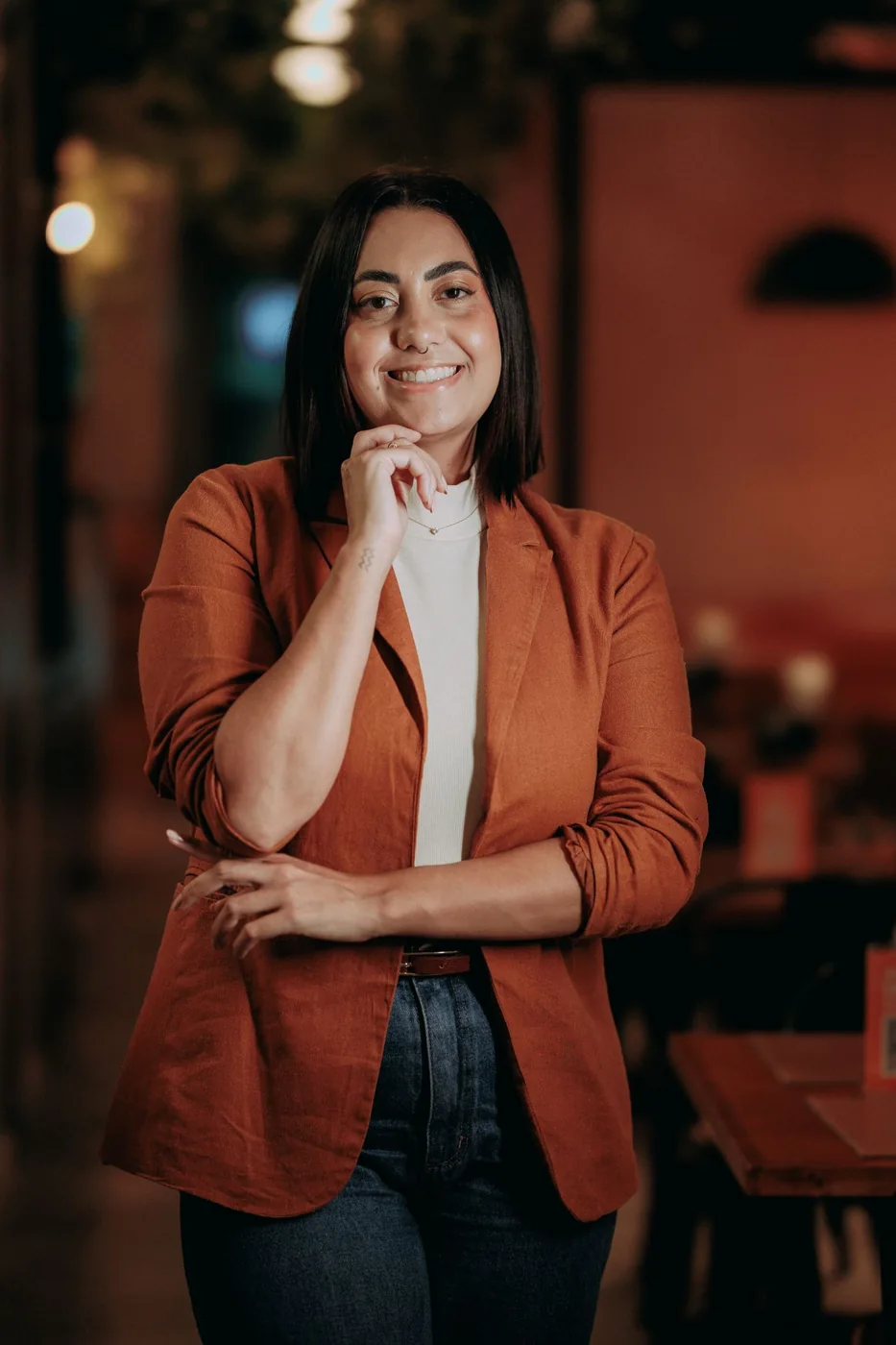
Give a bright blazer a familiar base outfit before packing it, then compare the visible colour balance and the version you will wear after removing the jacket.
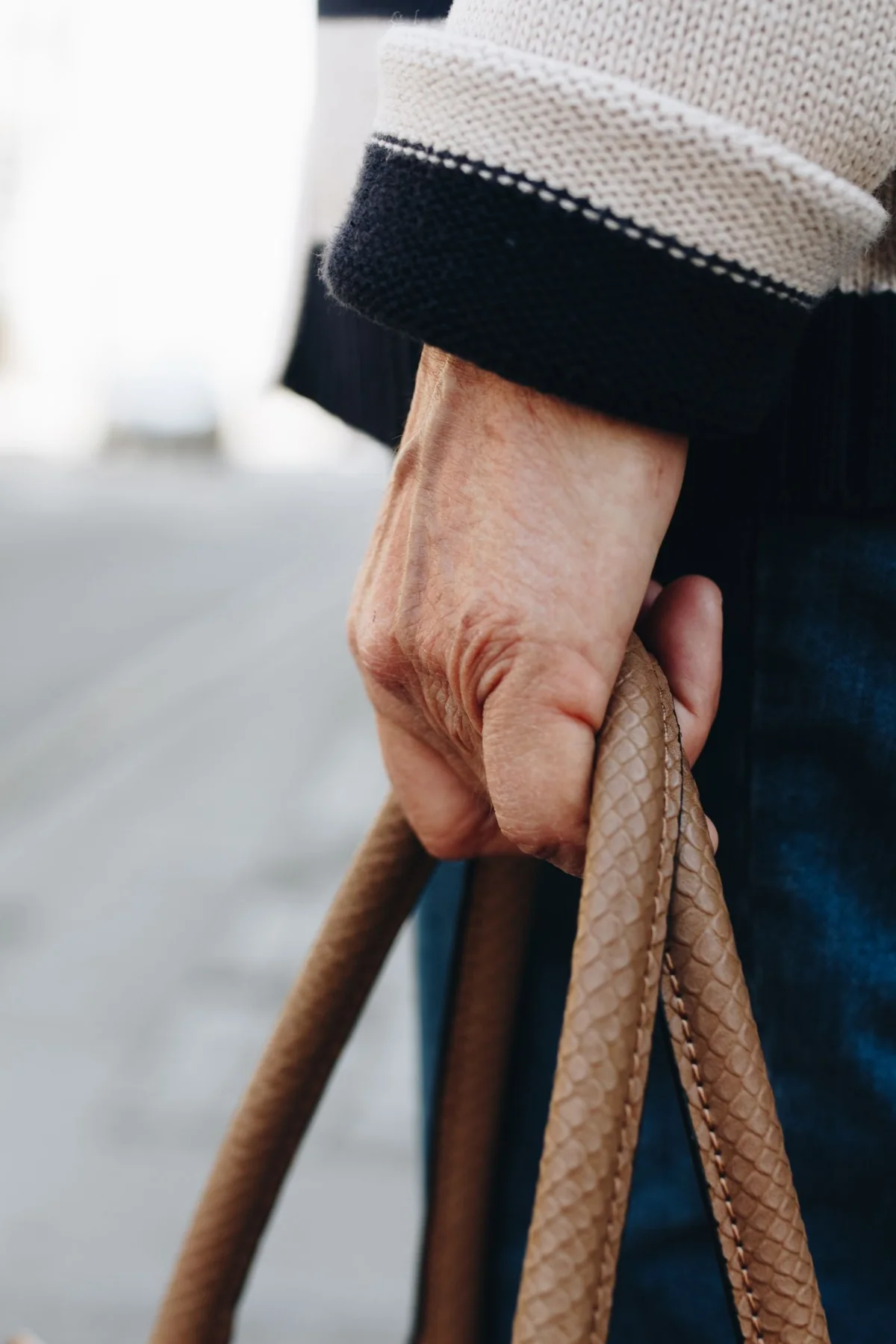
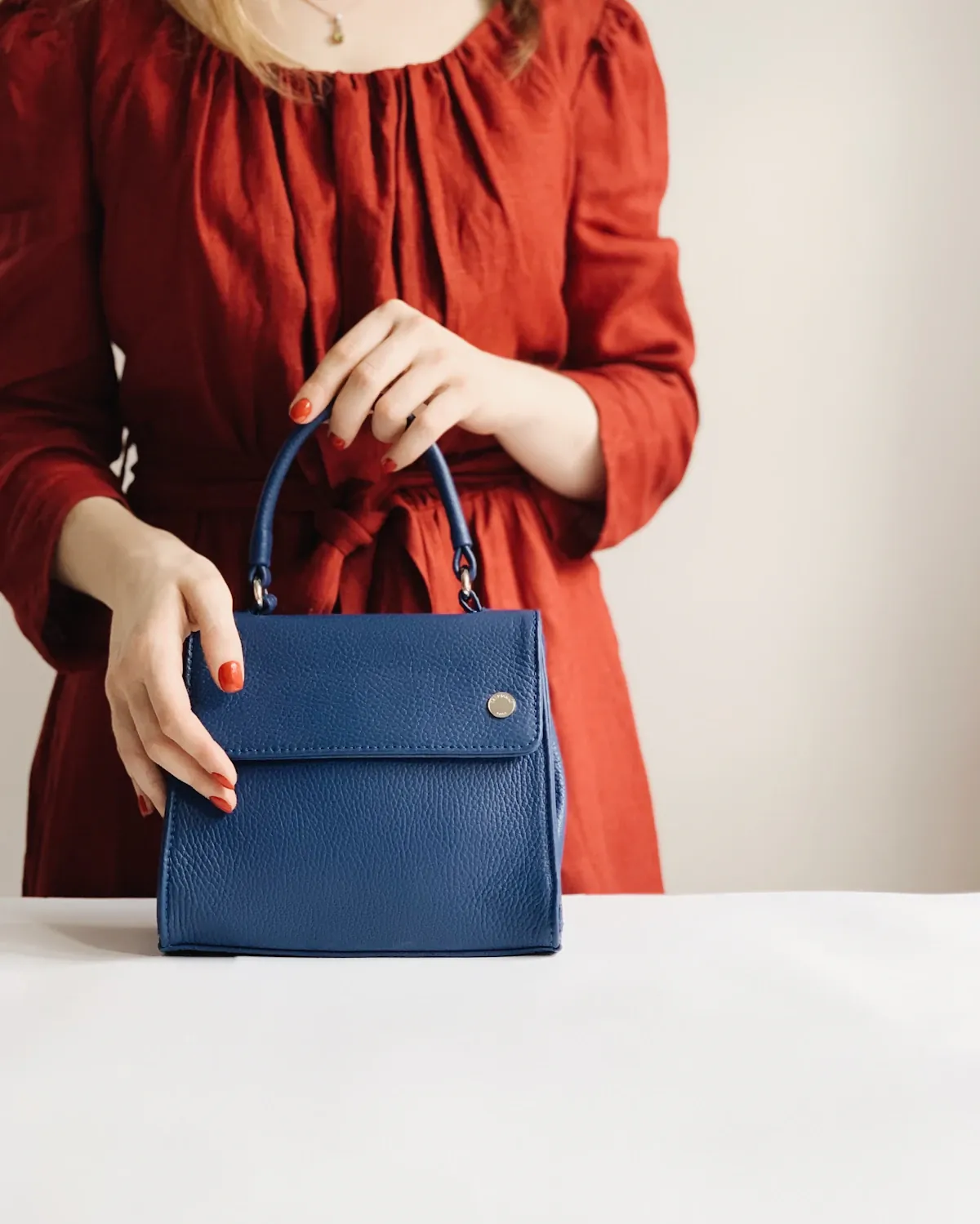
Try your handbag with the actual coat sleeve and layers planned for the day, checking the ordinary carrying position rather than relying on a bag photograph alone.
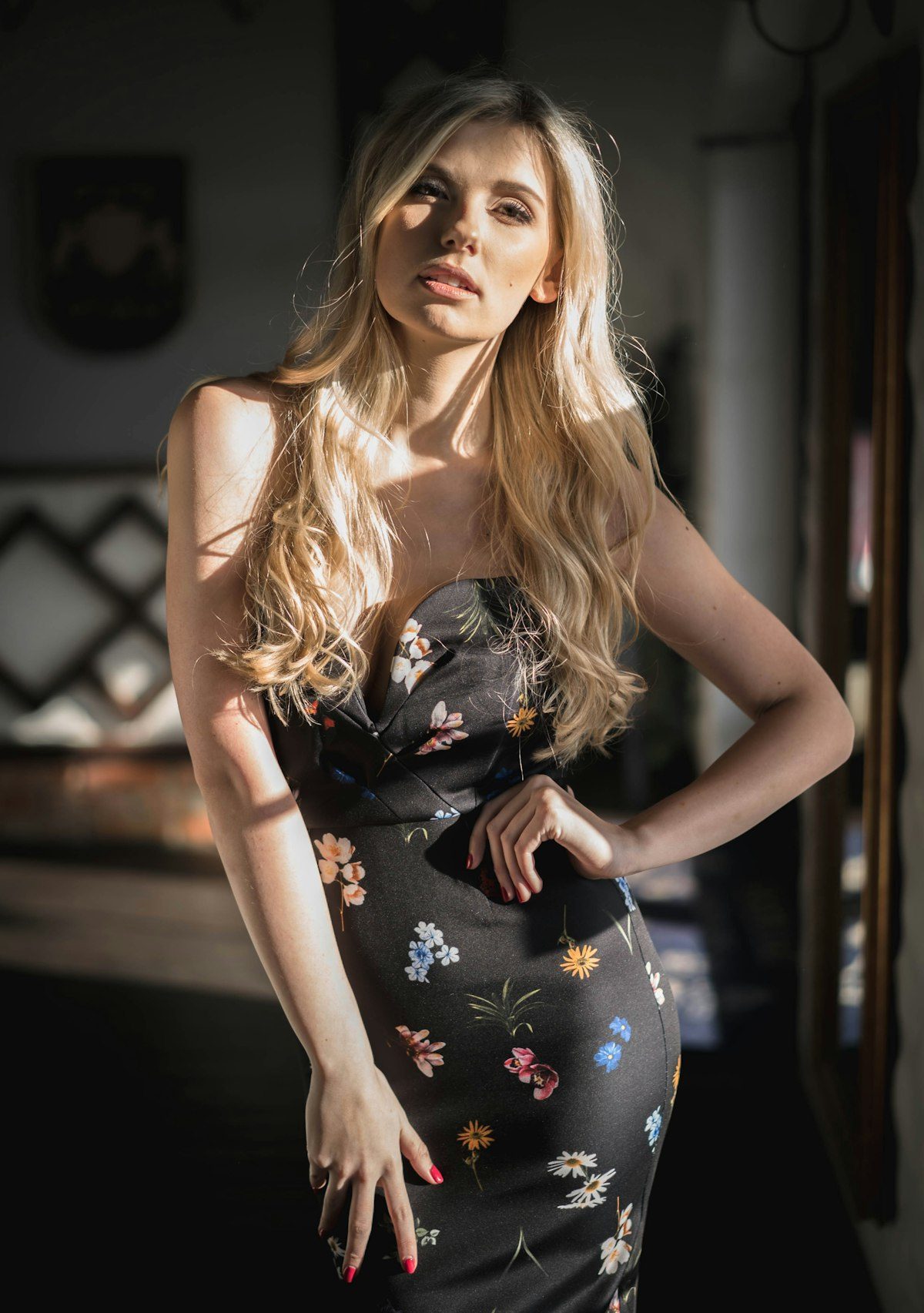
Compare a dress pattern through the size and spacing of its visible motifs, looking at the actual garment from ordinary distances before choosing an outfit.
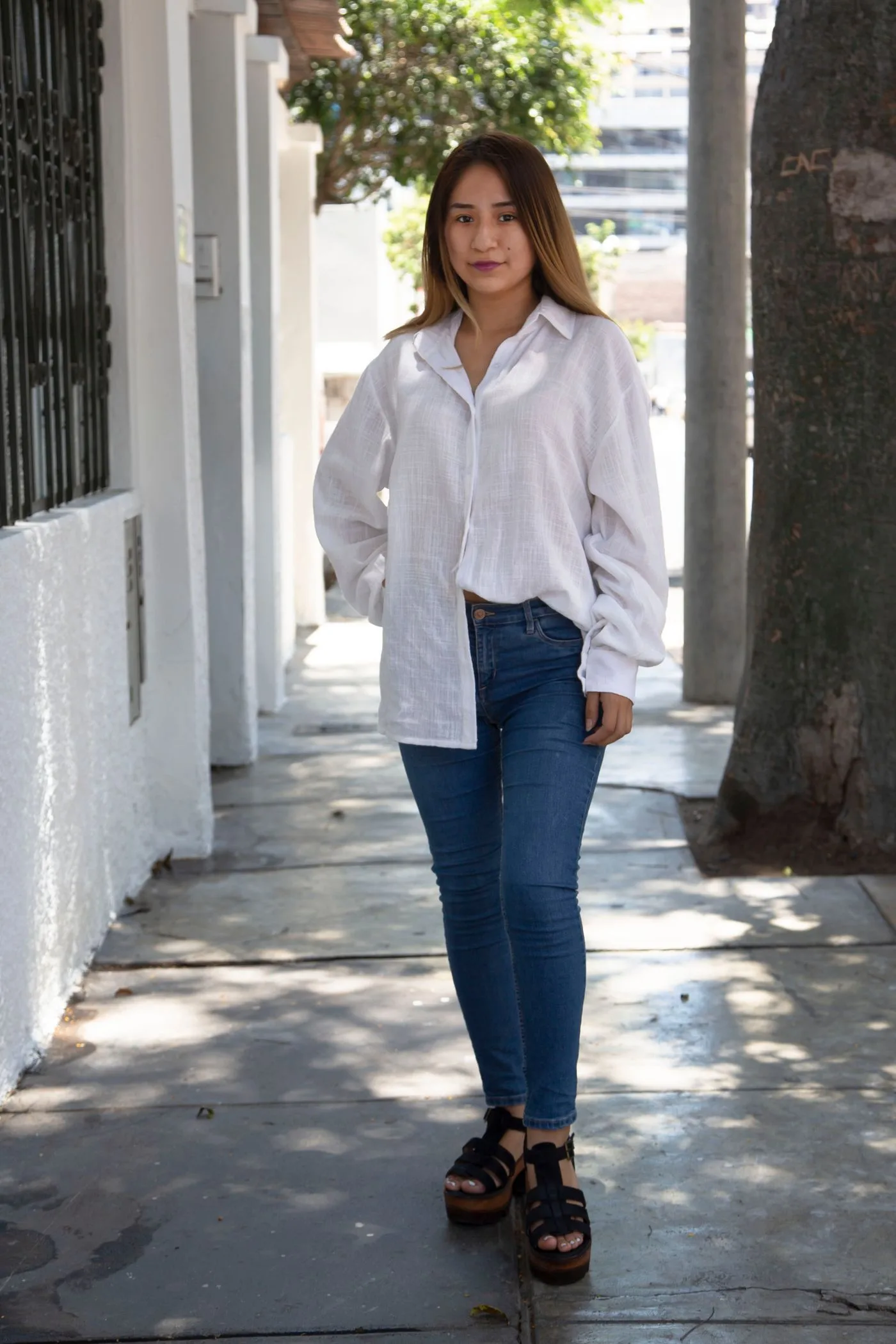
Compare a shirt’s sleeves down and in an appropriate ordinary fold with the same outfit, checking movement and the garment’s own requirements before deciding.
Choose a personal outfit photograph’s background through contrast and privacy, keeping the reference clear without staging an unsafe or disruptive travel stop.
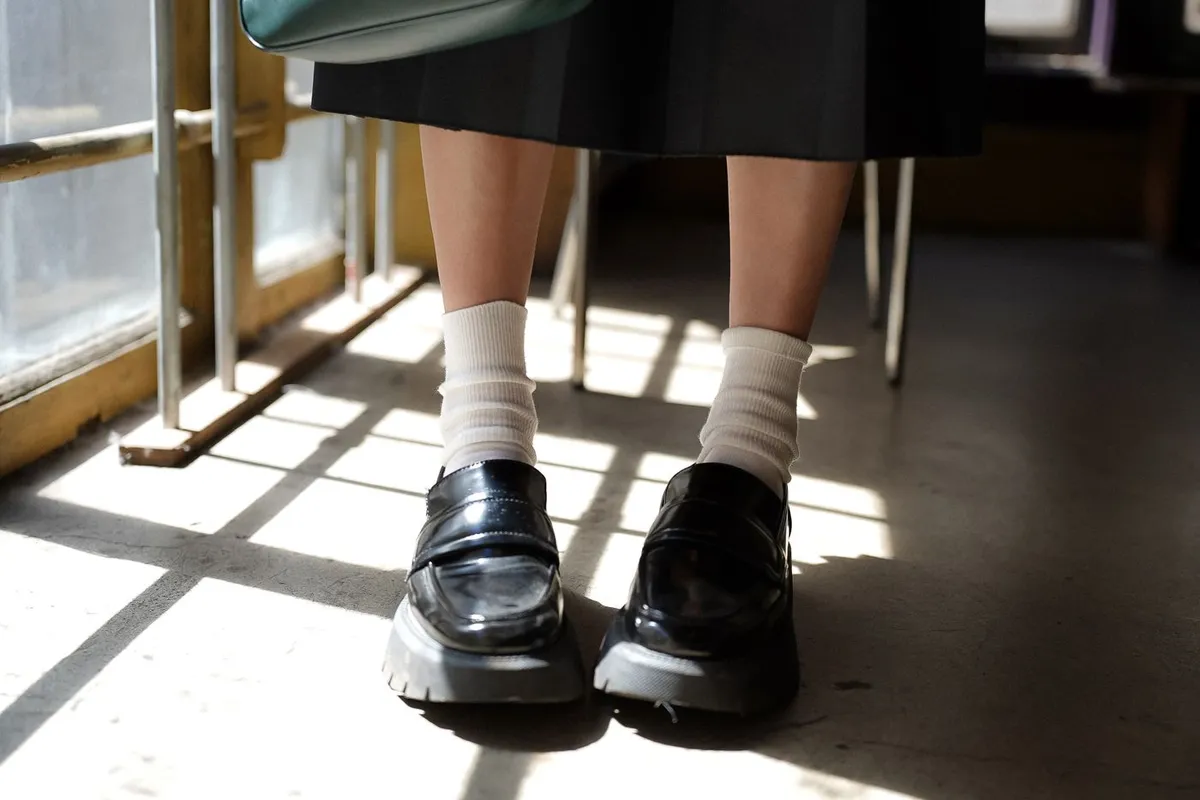
Compare visible socks with the actual shoe and trouser opening, choosing the colour relationship you enjoy while keeping comfort and care as separate decisions.
Compare a small necklace group through its visible lengths and spacing, choosing through your own neckline while keeping each piece’s handling requirements clear.
Compare a handbag’s side profile with your actual outfit and contents, keeping the visual decision distinct from assumptions made through a front-facing product image.
Compare denim washes with the dark shoes and layers you already wear, using the actual pieces together rather than assuming a wash name predicts the whole outfit.
Compare a structured bag and a soft knit through their visible shapes and surfaces, trying the existing pieces together before adding another accessory to the outfit.
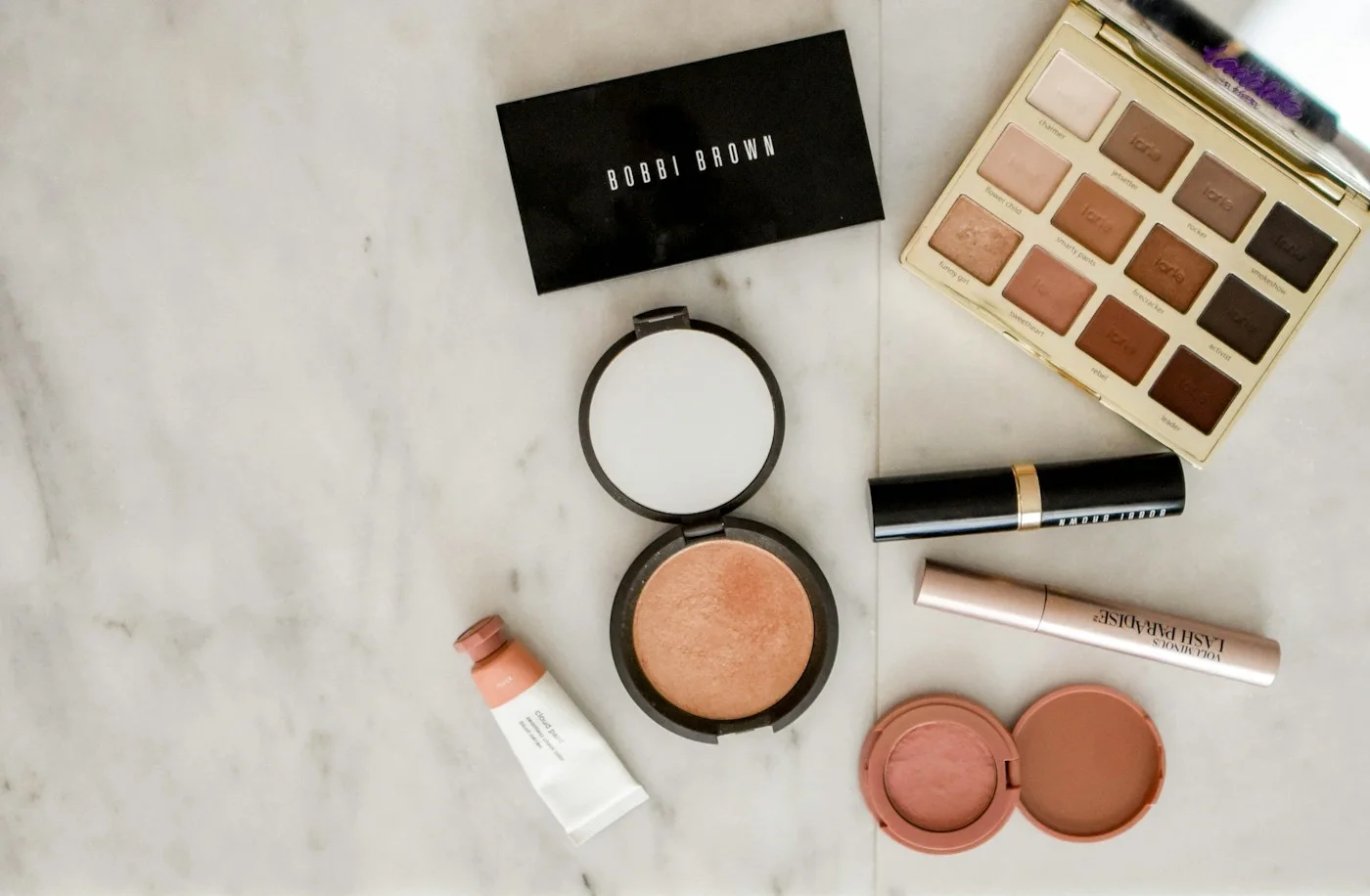
Consider a makeup colour idea beside the outfit’s main colour, keeping a visual comparison separate from product identification, suitability and promised results.
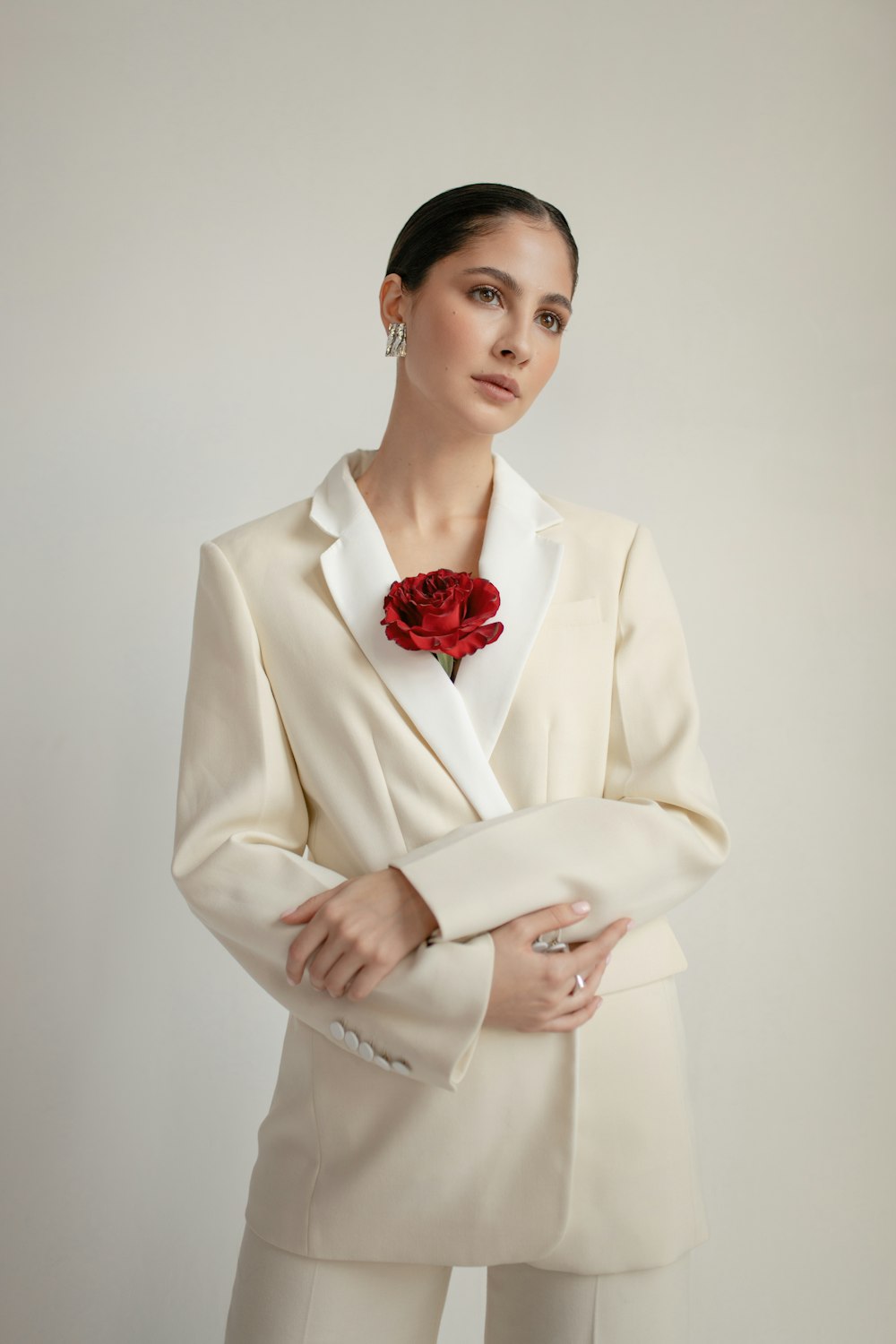
Choose a floral accent with a plain jacket through its visible scale and placement, keeping the garment’s care and the accent’s actual attachment method understood.