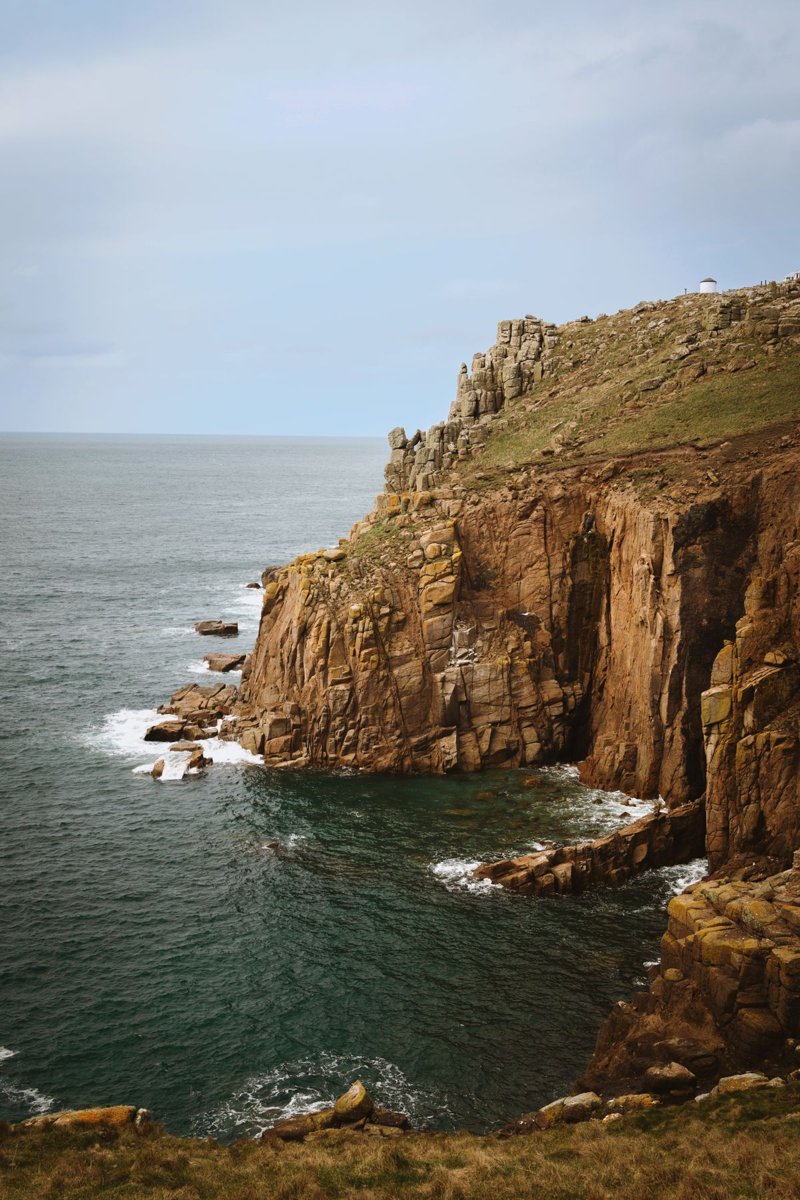
Give a coastal photograph a clear connection with the actual stop, recording the detail you noticed and separating the image from assumptions about routes or conditions.
A coastal photograph can remain beautiful while losing its connection with the day it came from. Later, you may remember the cliffs but not why you stopped, which view you chose or what the light was doing. A small amount of context can make the image more useful as a memory. Keep it focused on the actual observation rather than treating a dramatic landscape as a complete account of the visit.
Start from an appropriate place
Use the routes, viewing areas and current guidance relevant to the actual location. A photograph cannot establish that a position is accessible or suitable for another visit. Do not try to reproduce an angle by assuming the scene reveals the path used to reach it. This article offers no route or access advice for a specific coast; it is about recording a stop you have appropriately made.
From the position available to you, choose the feature that draws your attention. It may be the edge between land and water, a change in colour or a small repeated shape across the rock. Describe that feature in ordinary words. You do not need to identify a geological process or attach a dramatic story to make the observation meaningful.
Preserve enough context to recognise it
Record the place name only to the level you can accurately establish. If you are uncertain, keep a clear descriptive note and check an appropriate source later. Connect the photograph with the date or part of the outing if that helps you distinguish it from another coastal stop. Keep precise personal travel details out of anything you plan to share publicly unless there is a reason to include them.
Notice what the frame leaves out. A tightly composed image may omit a busy viewing area, a companion or the ordinary pause around the photograph. You can add that context in a private trip note without changing the image itself. It helps your future memory distinguish the attractive composition from the broader experience of being there.
Choose the record that matters
If you take several similar photographs, review them later and identify the one that best preserves your observation. More near-duplicates do not necessarily create a stronger memory. A wider contextual view may be worth keeping alongside the chosen detail if it adds information rather than simply repeating it.
Write a short caption that separates what you saw from any fact checked afterwards. If a stock photograph inspired the stop, keep its identity distinct from your own record. The aim is to give the actual image a place within the trip, with its limits understood. A coastal picture can then carry both visual interest and a specific remembered moment, without becoming an unsupported promise about the conditions another visitor will encounter.
Related reading
A Coastal California Weekend: Layers, Luggage, and a Slower Plan, Manage a Closed Wet Umbrella during a Café Stop.
Editorial note
Practical style and travel guidance. Follow the relevant maker’s instructions and check current arrangements with your provider. Availability and policies can change. Our outfit and packing suggestions are editorial guidance, not claims of hands-on testing.