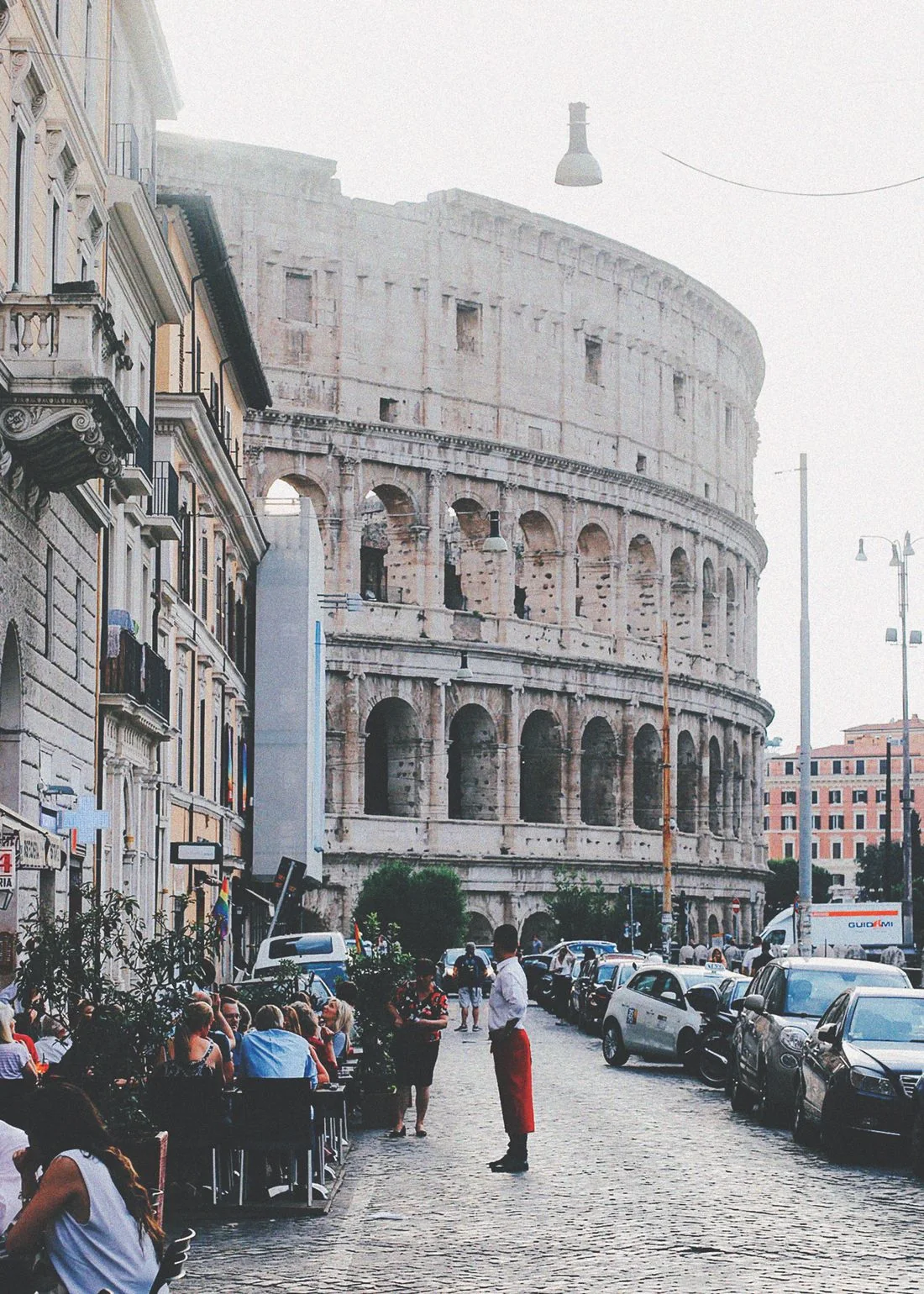
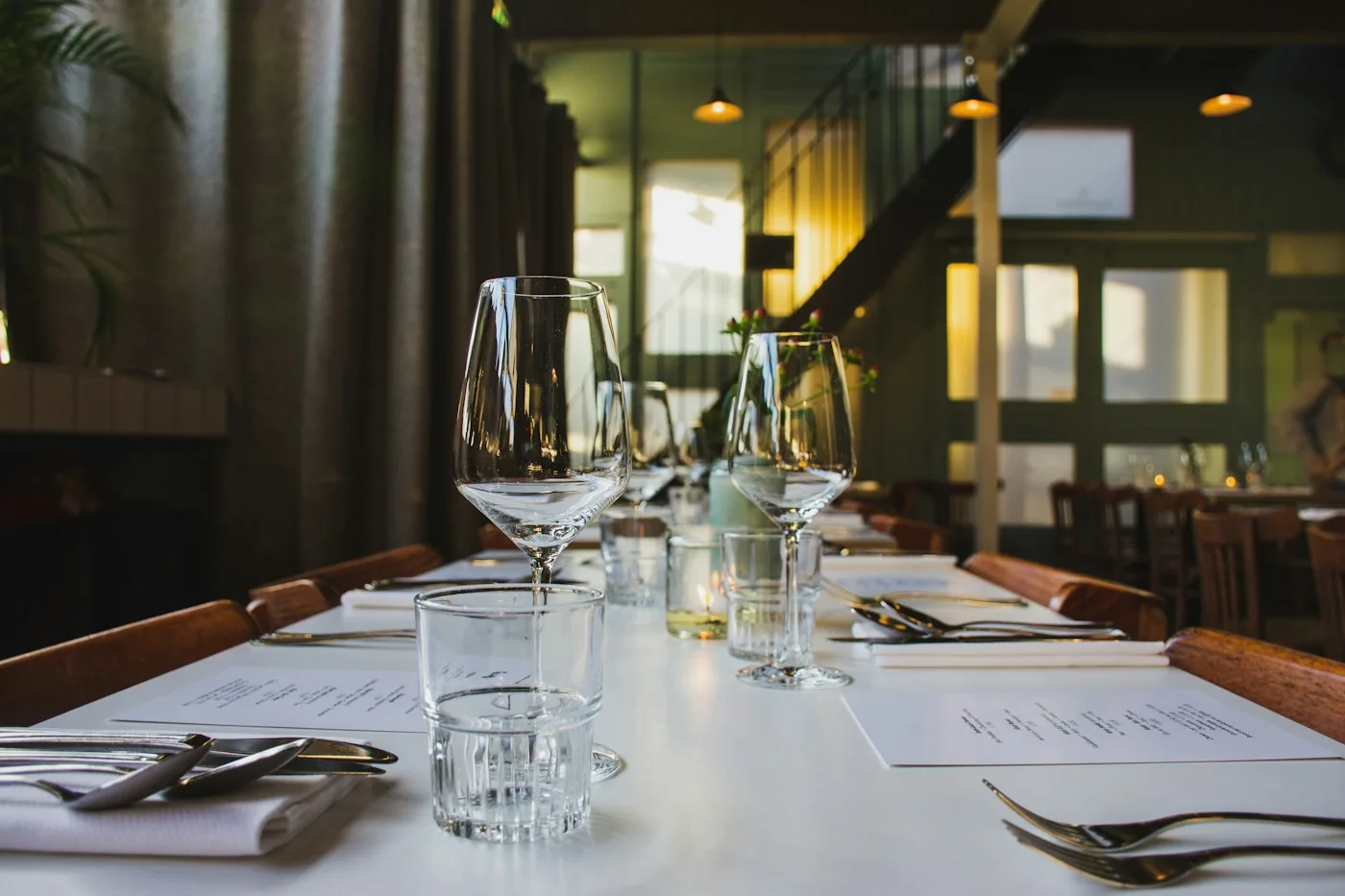
Handle an early restaurant arrival with a clear reservation check, considerate waiting and a practical place for coats and travel belongings.
Arriving early for dinner can feel calmer than rushing, but the extra time needs a sensible arrangement. A restaurant may still be preparing the table or using the space for another service. Treat the reservation time as the confirmed point, not an automatic promise that any earlier arrival can be seated. Let the team know you are there and follow its guidance. The useful goal is to begin the evening comfortably without making the waiting interval awkward for staff, other guests or the people sharing your plan.
Check the actual booking details
Keep the reservation name, time and any relevant conditions accessible. If the party is arriving separately, agree who will speak to the team and how the others will find them. Avoid several people giving different explanations at the entrance. If your arrival time changes substantially, use the restaurant's normal process to ask about it. Do not assume a quiet-looking room establishes that a table is available or that the kitchen can begin service earlier than arranged.
Ask where waiting is appropriate
The venue may offer a suitable place, suggest a later return or have another arrangement. Follow that guidance rather than occupying an unrelated table or blocking the doorway. If you choose to wait elsewhere, keep the return route simple and allow time to reconnect with the booking. A nearby pause can be pleasant when it has a clear end. It becomes less useful when the group spreads across several places and dinner begins with a search for missing companions.
Contain the day's belongings
If dinner follows sightseeing, take a moment to manage coats, bags and purchases through the venue's offered arrangements. Keep essential personal items with you in an appropriate way and retain any collection record provided. Do not rely on an empty chair as permanent storage without checking. A travel bag can occupy more room than expected beside a small table. Simplifying the load before leaving the hotel, where practical, makes both waiting and the meal easier to enjoy.
Let the group settle together
Check whether anyone needs a moment after the journey before starting the evening at full pace. Keep conversation and planning out of the circulation space while the team manages arrivals. If there is a delay, ask for useful information calmly and decide together what fits the time available. An early arrival is meant to reduce pressure, not create an expectation that every minute must now become part of the meal. The reservation and the people attending it remain the practical centre of the plan.
Once seated, put the waiting interval aside and enjoy dinner. Before leaving, collect stored belongings and check the table and chair area while you can still see them clearly. A successful early arrival is almost unremarkable: the booking is understood, the wait has an appropriate place and the group reaches the table ready for the evening, with no need to carry the logistics into every conversation afterwards.
Continue planning with Dinner Outfits You Can Build from Your Daytime Basics, A Hotel Booking Checklist for a Two-Night Trip.
Editorial note
Practical style and travel guidance. Follow the relevant maker’s instructions and check current arrangements with your provider. Availability and policies can change. Our outfit and packing suggestions are editorial guidance, not claims of hands-on testing.