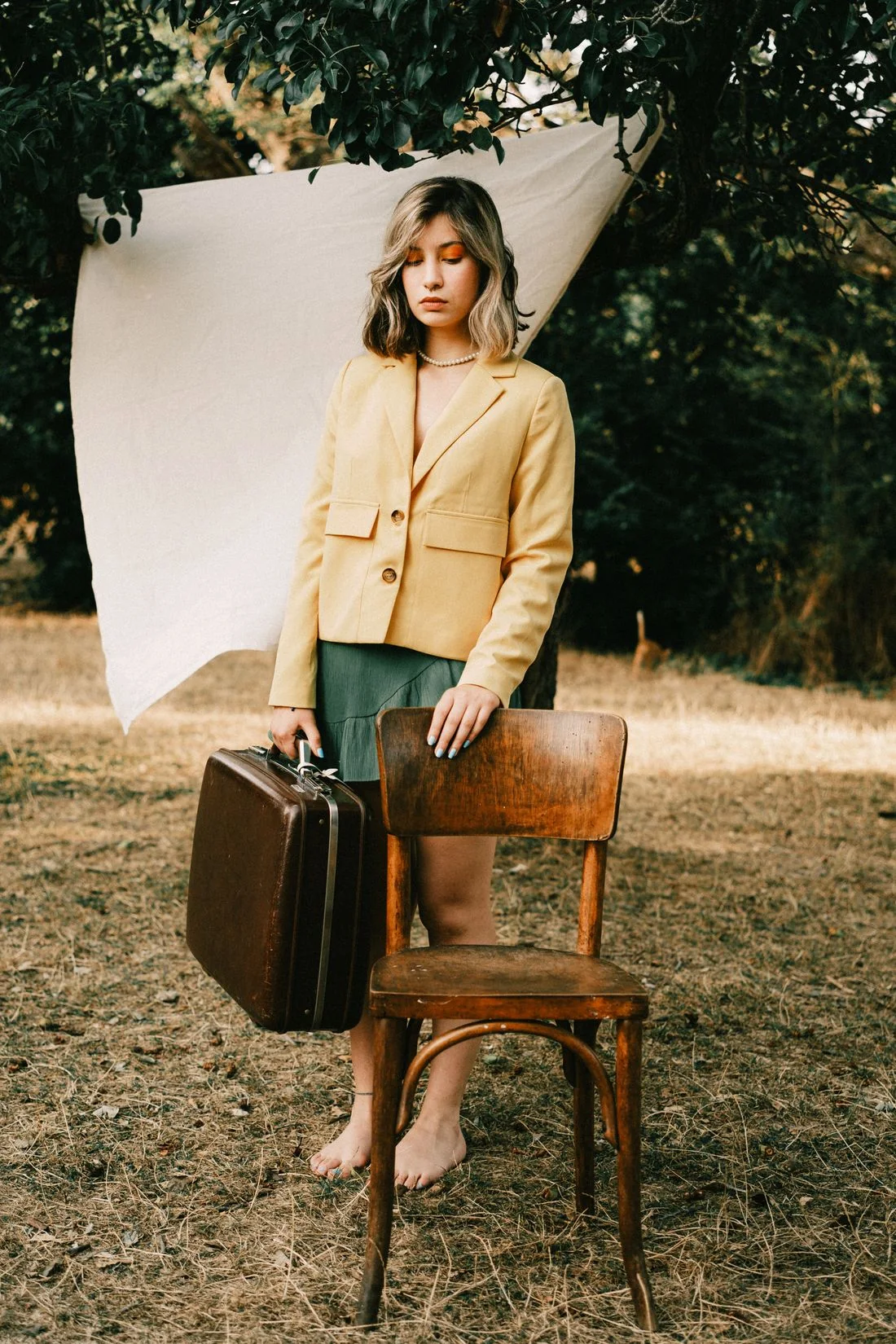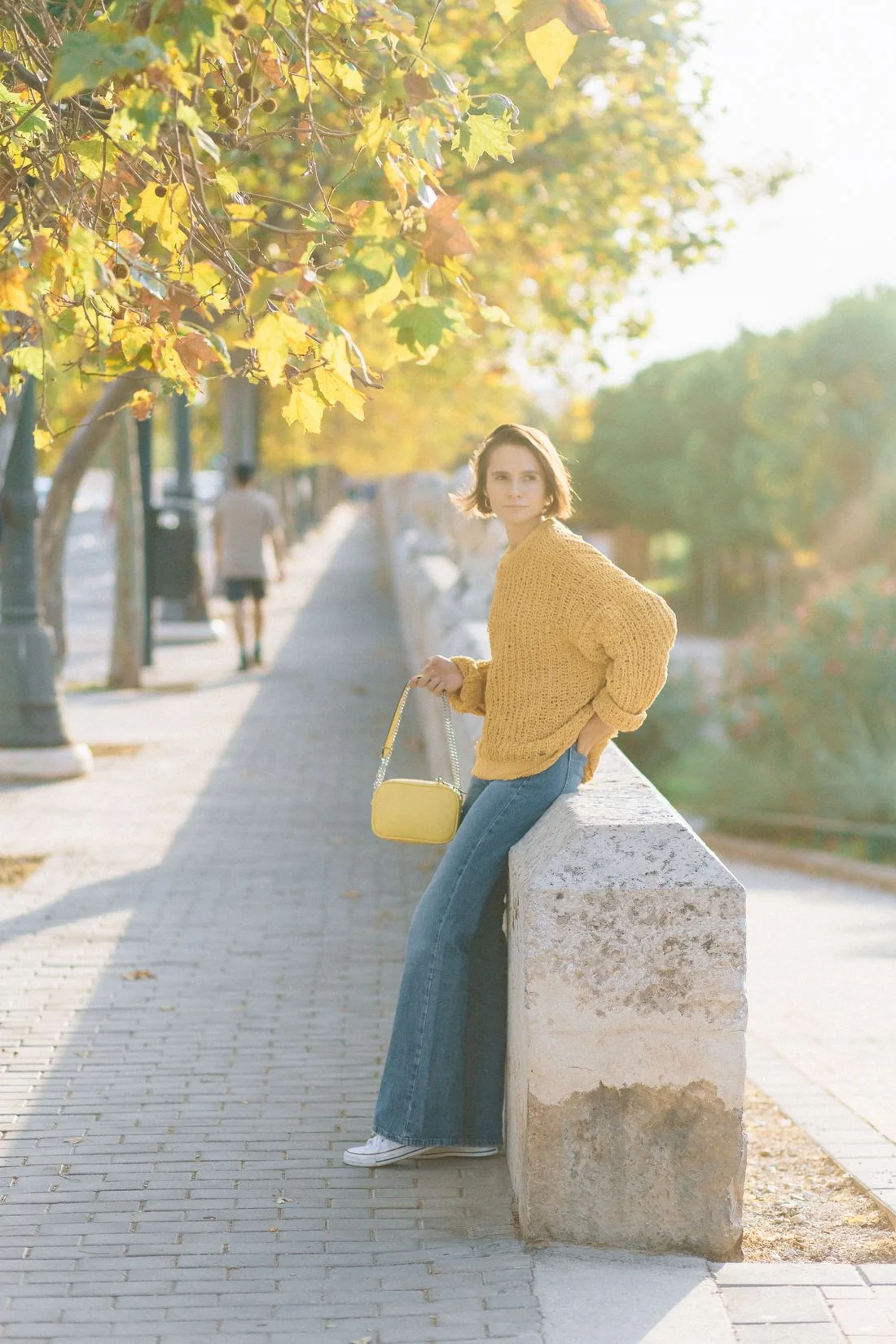
Consider a makeup colour idea beside the outfit’s main colour, keeping a visual comparison separate from product identification, suitability and promised results.
A makeup colour idea can be considered alongside an outfit without trying to match every cosmetic to every garment. Choose one visible clothing colour and ask what kind of relationship you enjoy: a quieter continuation, a clear contrast or a small repeated note. Keep the visual idea separate from product identification and suitability. A colour arrangement is not a promise about how a particular product will look or perform on you.
Choose the outfit's main visible colour
Look at the clothes you will actually wear, including the layer most likely to remain visible. A dress may supply the main colour at dinner, while a coat changes the group during the journey. You do not need one cosmetic idea to explain every version of the day equally.
Identify the part that draws your attention rather than listing the whole palette. A small bright pattern detail can be more noticeable than a large quiet background. Decide whether you want to respond to that detail or let the clothes remain the strongest visual element.
Describe the relationship before selecting a product
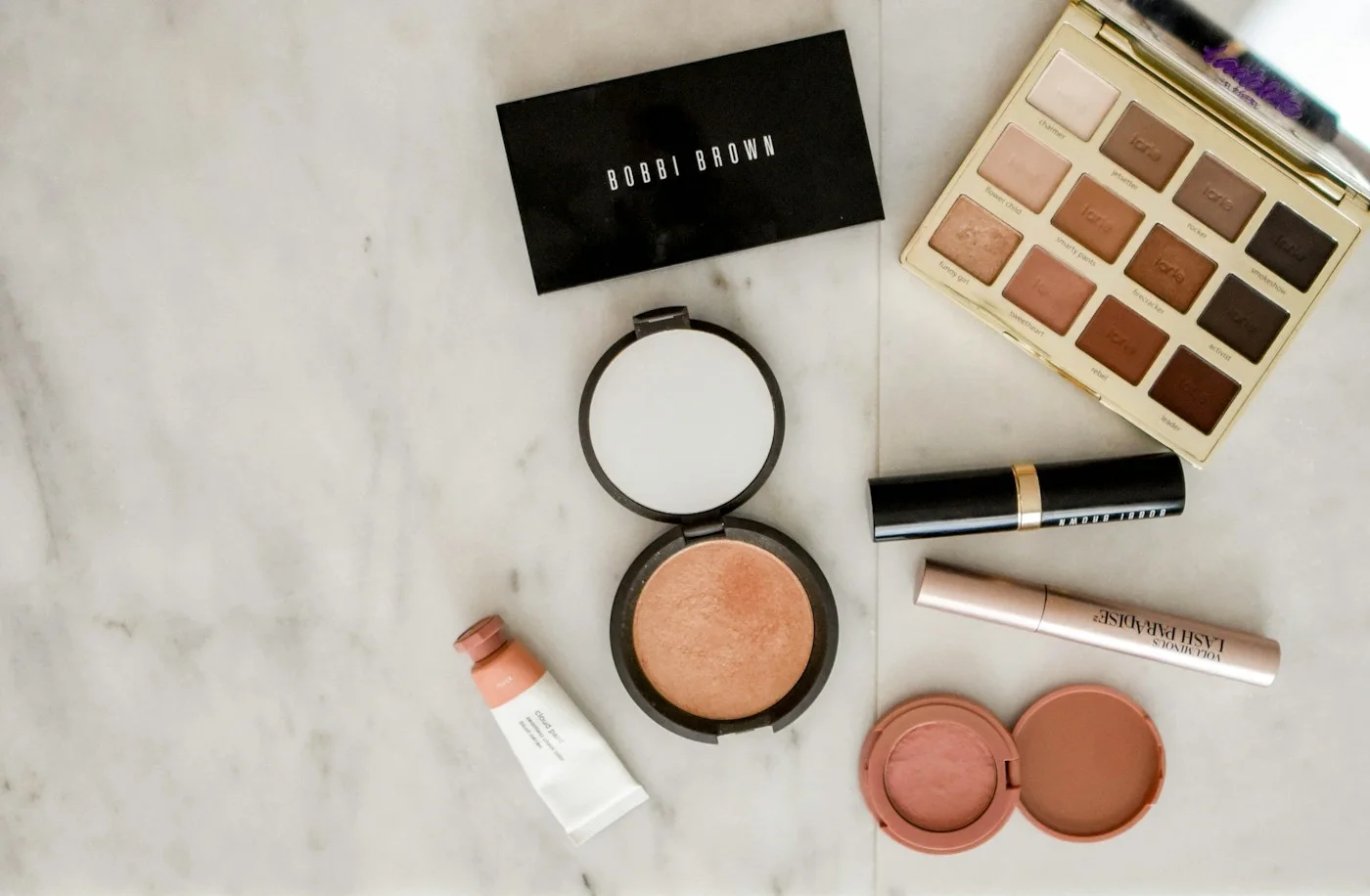
Use ordinary words such as softer, more contrasting or closer in tone. These describe an intention without assigning an exact shade to a screen image. A palette photograph can suggest colours but cannot establish an accurate match to your clothes or your own appearance.
Avoid inferring product identity from a styled image. If a particular item matters, use its actual reliable information and follow its instructions. Important suitability questions belong with appropriate guidance rather than an outfit comparison. This article does not recommend application methods or make cosmetic performance claims.
Begin with your established preferences
Review suitable products you already know and enjoy before creating another shopping list. You may have a familiar colour that works as a quiet choice beside the outfit, even if it is not an exact match. Keep original names and packaging information available instead of relying only on how a colour appears in one photograph.
The minimal travel toiletry guide helps keep the practical kit connected to an actual trip. A new outfit does not automatically require a new collection of cosmetics to accompany it.
Compare the whole visible group
Look at the clothes, any jewellery and the intended colour idea together through an ordinary personal reference. Notice whether several strong details are competing or whether you enjoy the combination as it is. A simpler accessory group may be an option, but there is no rule that one element must always be quiet.
The daytime basics for dinner guide considers small changes within an existing outfit. A colour idea can be one such change without becoming a complete transformation or a claim that your usual appearance needs improvement.
Keep a brief note of the relationship you preferred rather than treating a photograph as a precise formula. You can choose a different intensity, keep the idea for another occasion or leave it as inspiration. The comparison has served its purpose when it clarifies a personal visual choice and leaves the actual product decisions on their own proper basis.
Editorial note
Practical style and travel guidance. Follow the relevant maker’s instructions and check current arrangements with your provider. Availability and policies can change. Our outfit and packing suggestions are editorial guidance, not claims of hands-on testing.