
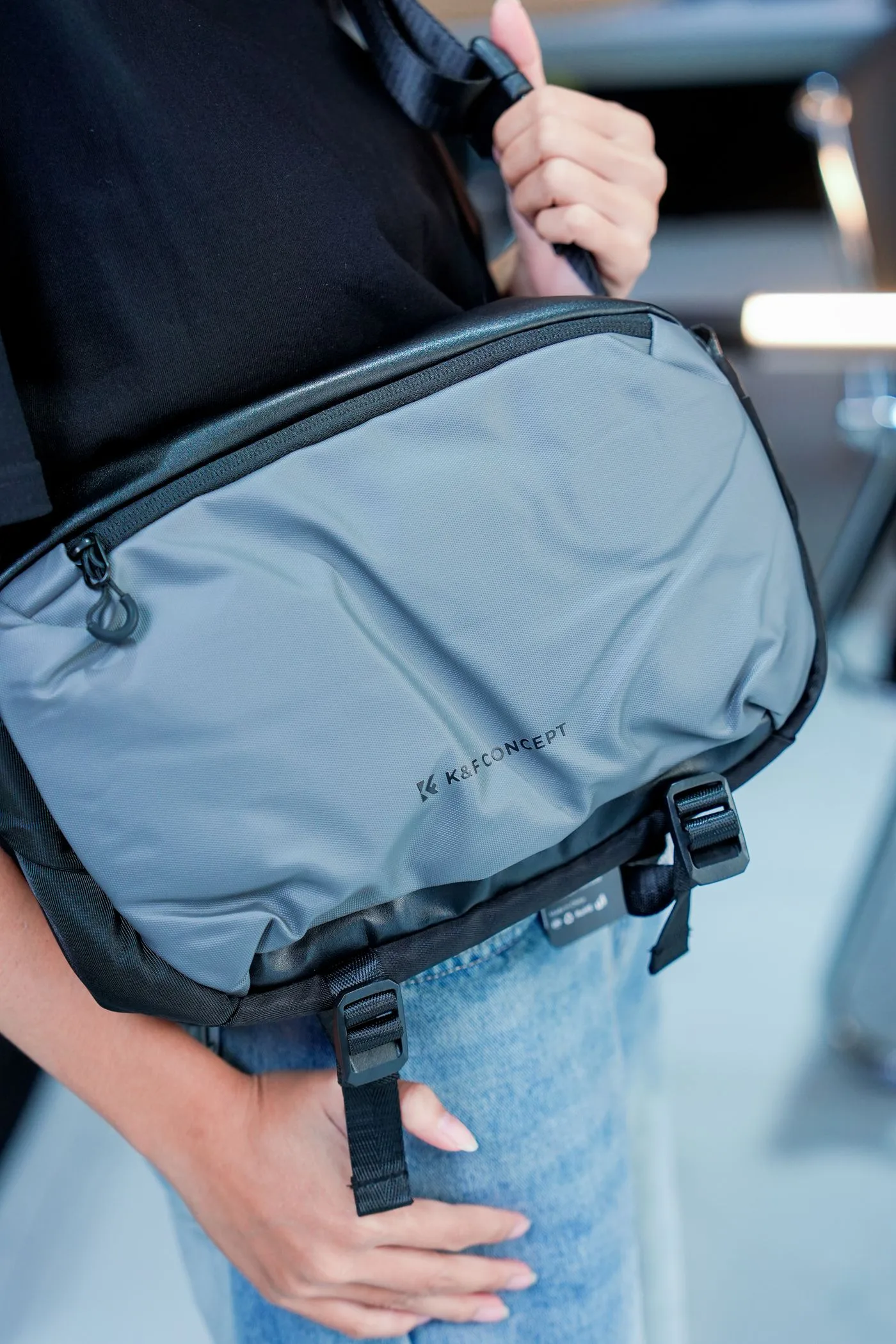
Reset a messenger bag’s pockets for a city break by removing stale contents and giving current essentials clear, appropriate return places.
A messenger bag used at home can carry the remains of several ordinary weeks into a city break: receipts, spare cables and a small object you stopped remembering. Empty it before assigning travel essentials to the same pockets. The useful reset is not a full redesign of the bag. It is a clear check of what belongs on this trip and where the important items will return after use, so an unfamiliar route does not begin with searching through a familiar but cluttered collection.
Empty one compartment at a time
Use a suitable clear surface and inspect the pockets without forcing linings or fittings. Separate things needed for the trip from items that belong elsewhere. Check corners and small internal spaces according to the bag's intended use. Return unrelated belongings to appropriate places rather than transferring them into another temporary pile. A travel reset works better when it reduces the load deliberately, not when everything goes back because the bag still appears to have room.
Choose current essentials
Think about the actual route and activities, including the form of tickets or confirmations required by providers. Keep personal information handled according to your own needs. Avoid carrying duplicate equipment merely because it already lives in the bag. Check compatibility and intended use for any equipment you do take through its current maker information where necessary. The point is a manageable group that supports the trip, with each object having a reason to travel rather than a history of occupying the same pocket.
Assign return places by use
Choose appropriate compartments for the items accessed most often and keep their closures manageable. Check the complete retrieve-and-return action with the bag worn as intended. An opening that is easy on a table may be awkward under a coat or across the body. Evaluate retention and security separately from convenient reach, following the bag's design and your own requirements. A pocket's existence does not mean every valuable item belongs there throughout every part of the journey.
Check the loaded shape
Put the planned contents inside and adjust the strap through its intended fittings. Walk and sit comfortably, noticing whether a rigid object presses against the body or the load distorts the bag. Remove unnecessary items or change the arrangement before adding another organiser. If the bag does not suit the route, choose a familiar alternative rather than forcing it to become a different design. A useful reset can reveal a limitation just as clearly as it creates a tidier interior.
After the trip, repeat the small reset before the bag returns to everyday use. Remove travel-only papers and equipment in an appropriate way, and deal with care needs through the maker's guidance. The messenger bag should be ready for its next role without carrying the entire break indefinitely in its pockets. Clear current contents make a familiar bag easier to use, both in a new city and on an ordinary day at home.
Continue planning with Choosing a Personal-Item Bag That Works Beyond the Airport, Small Crossbody or Tote: Which Bag Fits Your Travel Day?.
Editorial note
Practical style and travel guidance. Follow the relevant maker’s instructions and check current arrangements with your provider. Availability and policies can change. Our outfit and packing suggestions are editorial guidance, not claims of hands-on testing.