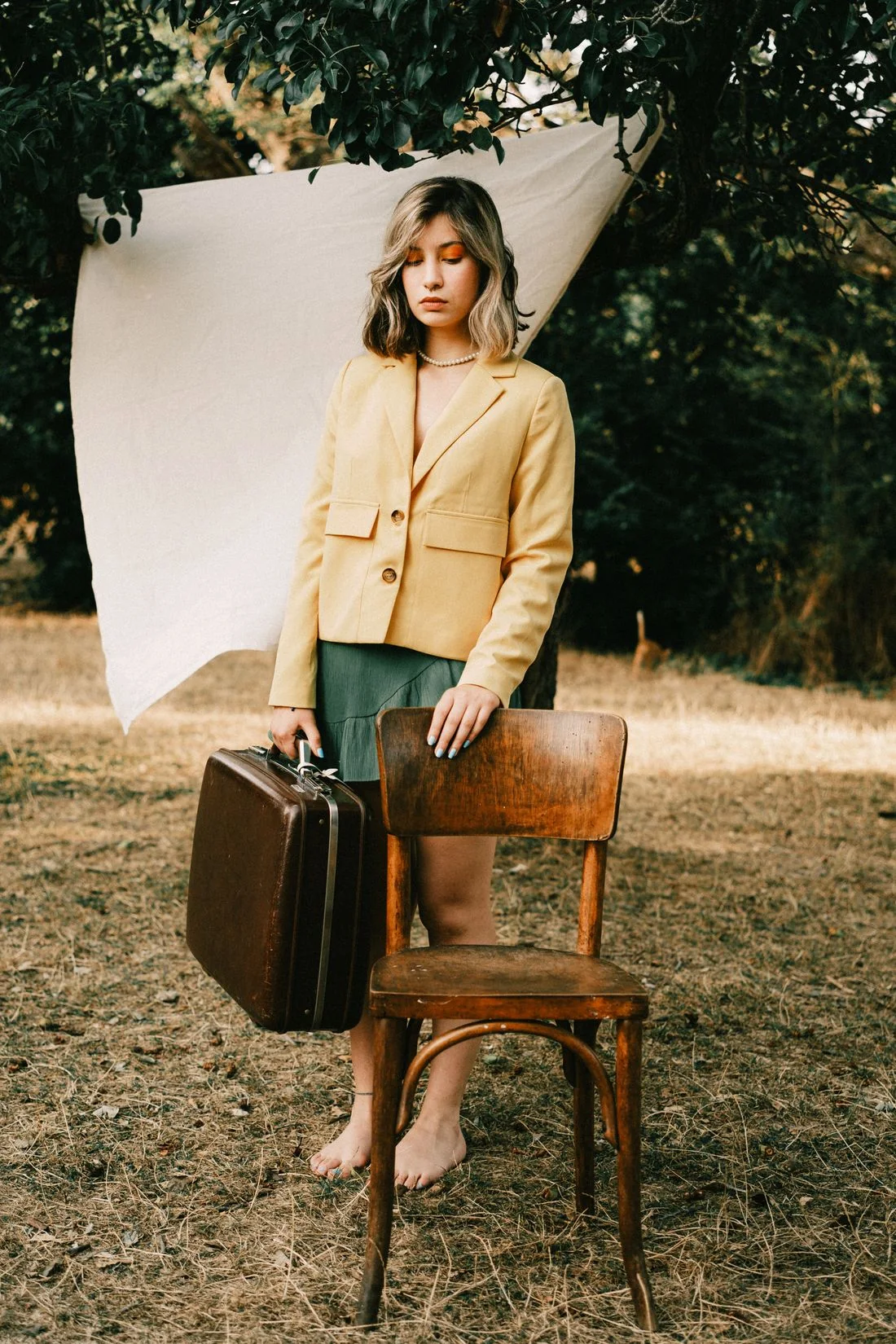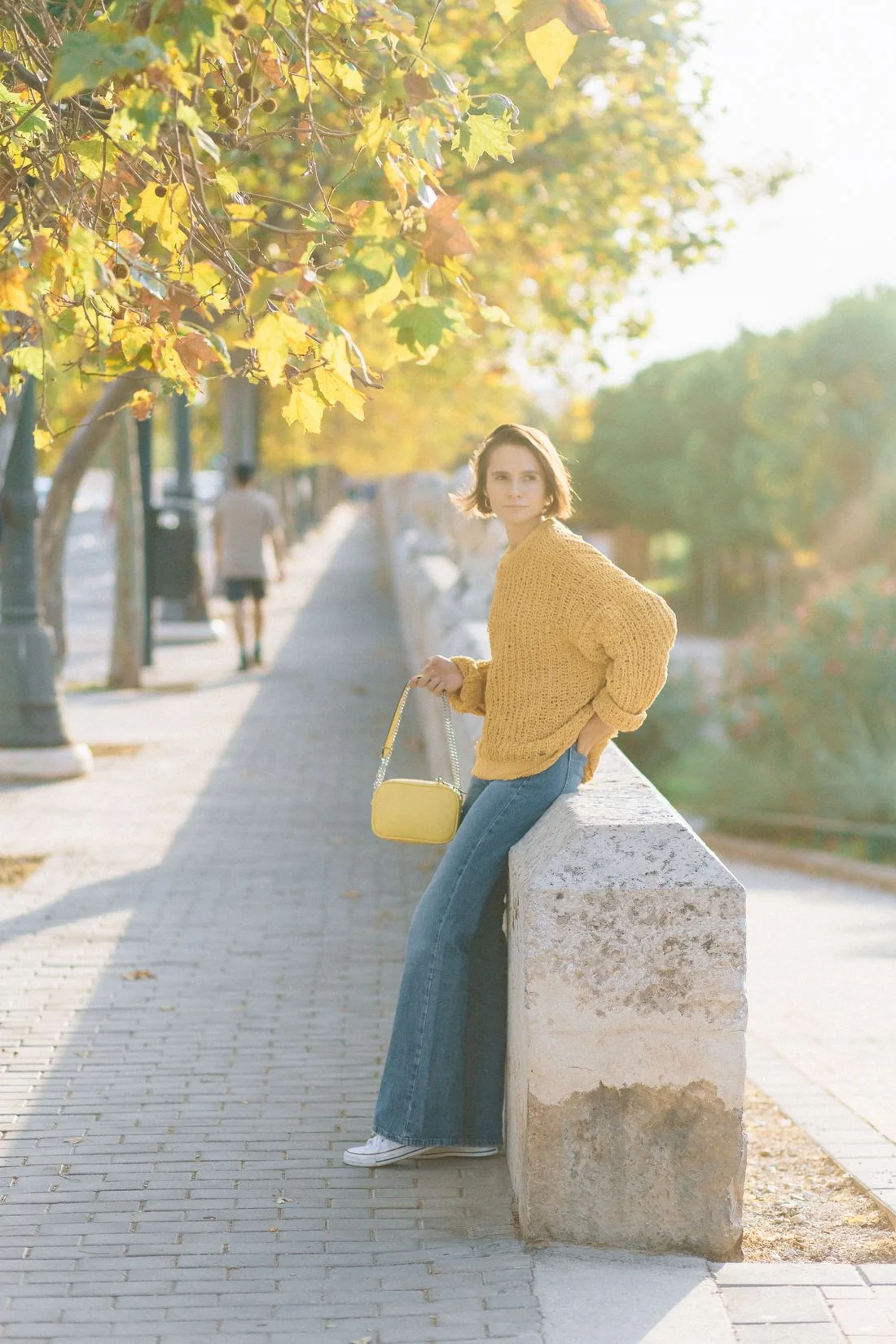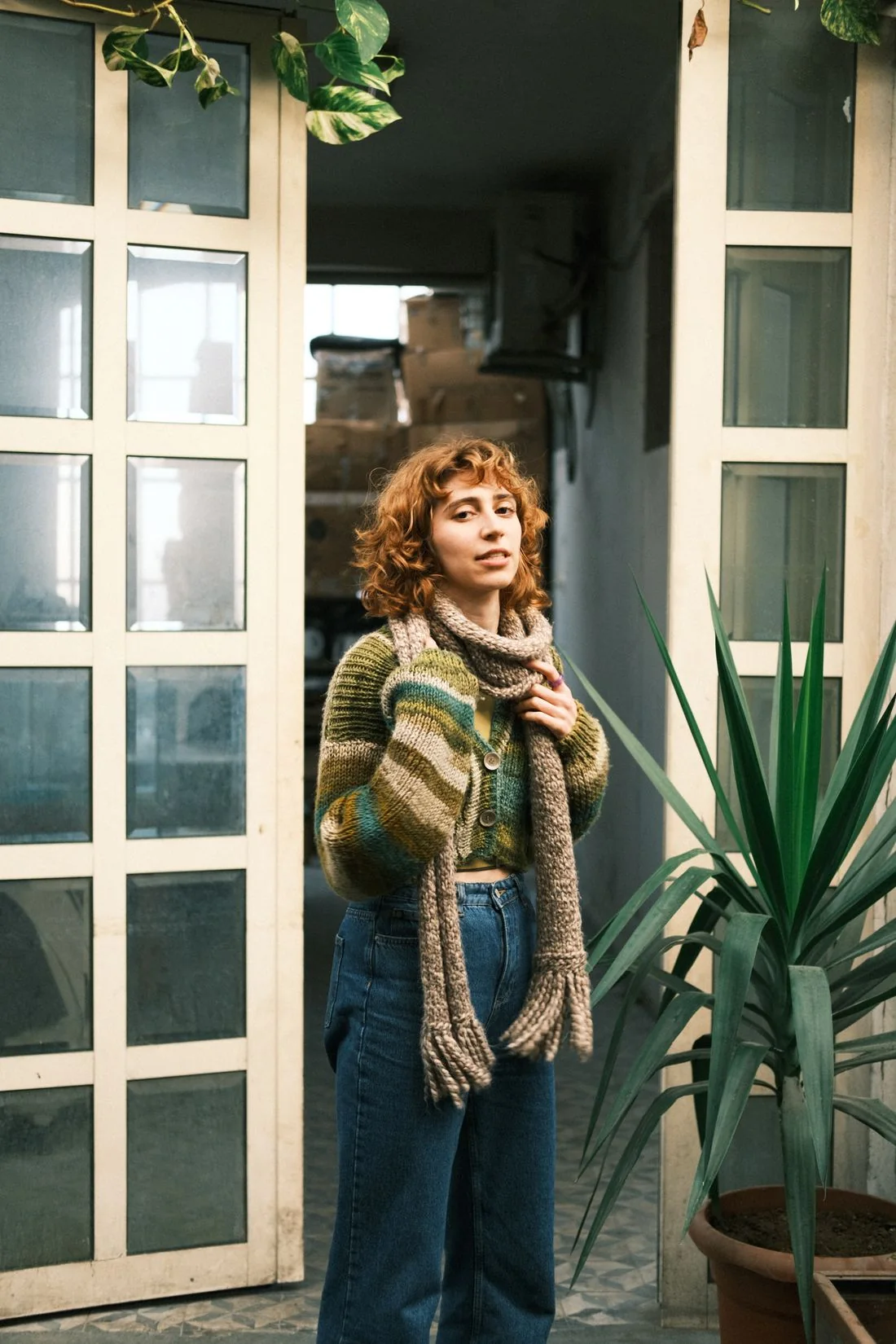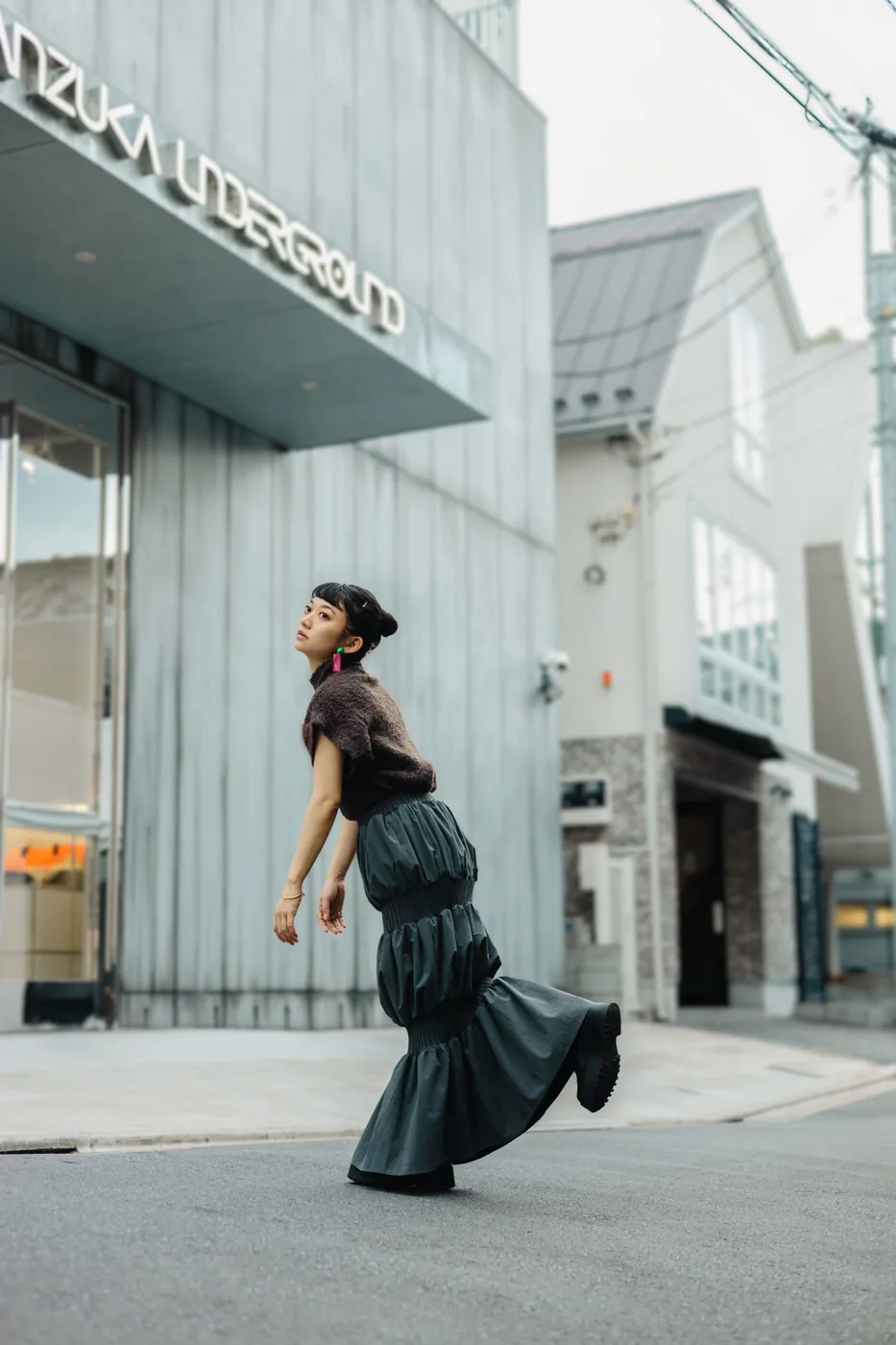
Choose a personal outfit photograph’s background through contrast and privacy, keeping the reference clear without staging an unsafe or disruptive travel stop.
A personal outfit photograph is easier to use when the clothes remain readable against the background. Choose an ordinary permitted position, check what sits behind you and keep the image's purpose clear. A useful reference does not need a landmark, an empty street or a pose borrowed from a campaign. It needs to show the combination you want to remember without making the stop awkward for you or anyone nearby.
Decide what the reference needs to show
Ask whether you want the whole outfit, the relationship between two layers or a detail such as the hem and shoes. A single image may not explain all three equally well. Give the photograph a modest purpose before choosing where to make it.
Keep appearance separate from practical fit. A picture can help you remember a colour or outline, but it cannot establish comfort during a journey. The cafe-chair outfit check addresses the different question of wearing the clothes through an ordinary seated stop.
Look for a background that leaves the outline visible
A quieter area may help distinguish the edge of a dark jacket or a patterned dress. You do not need exact colour theory to notice whether the clothing disappears into a busy surface. Compare through the actual screen view rather than assuming a pale or dark wall always gives the better result.
Check for objects that appear to emerge from the outfit, bright fragments near the edge and signs or personal details you did not intend to include. A small adjustment to the camera may be enough. Avoid moving other people's property or entering a private area to simplify the frame.
Use a position that remains ordinary
Stay clear of traffic, unsuitable edges and routes other people need. Follow local or venue instructions. If a chosen spot cannot be used comfortably, find another permitted position or leave the image for later. A personal wardrobe reference does not require a risky or disruptive travel stop.
If someone helps take the picture, explain the part you want visible and agree on a small number of deliberate frames. The person is helping with a reference, not being assigned a prolonged session. Accept that the image may remain ordinary even when the outfit matters to you.
Keep the comparison honest
For a later outfit comparison, use a similar practical setup where possible and retain an untouched original. Do not edit the body's shape or the garment's apparent fit and then treat the altered picture as a factual reference. Lighting and camera position can also change appearance, so avoid reading small differences as precise measurements.
The last-minute clothing substitute guide helps when a reference is meant to support an actual packing decision. A clear photograph can remind you of a tested combination, but the replacement still needs its own ordinary wear check.
Store the image privately through an appropriate method and add a short note about the pieces if needed. You can keep it as a simple wardrobe aid without publishing it. The background has worked when it lets the actual outfit be understood and leaves the rest of the outing free to continue.
Editorial note
Practical style and travel guidance. Follow the relevant maker’s instructions and check current arrangements with your provider. Availability and policies can change. Our outfit and packing suggestions are editorial guidance, not claims of hands-on testing.