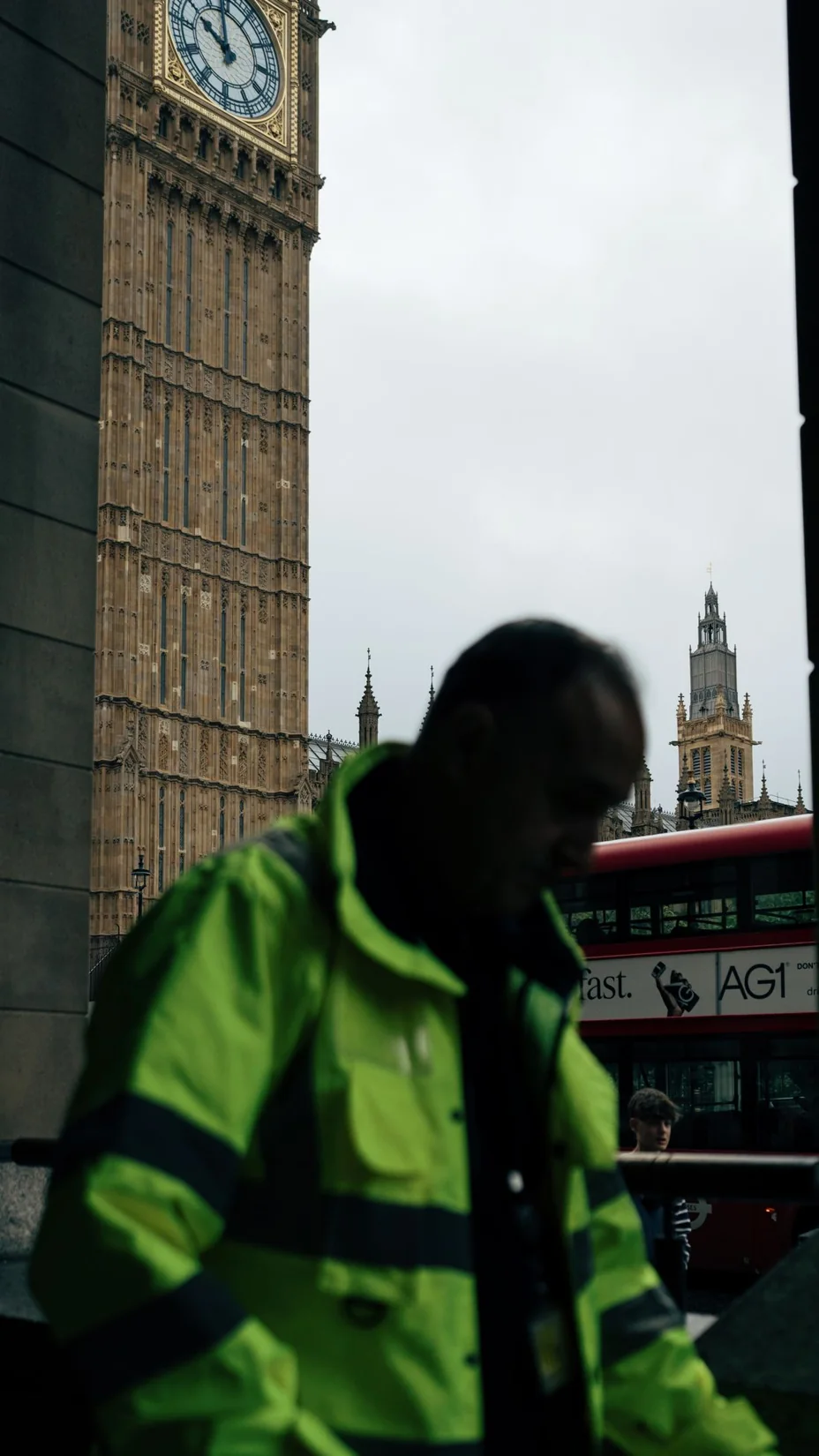
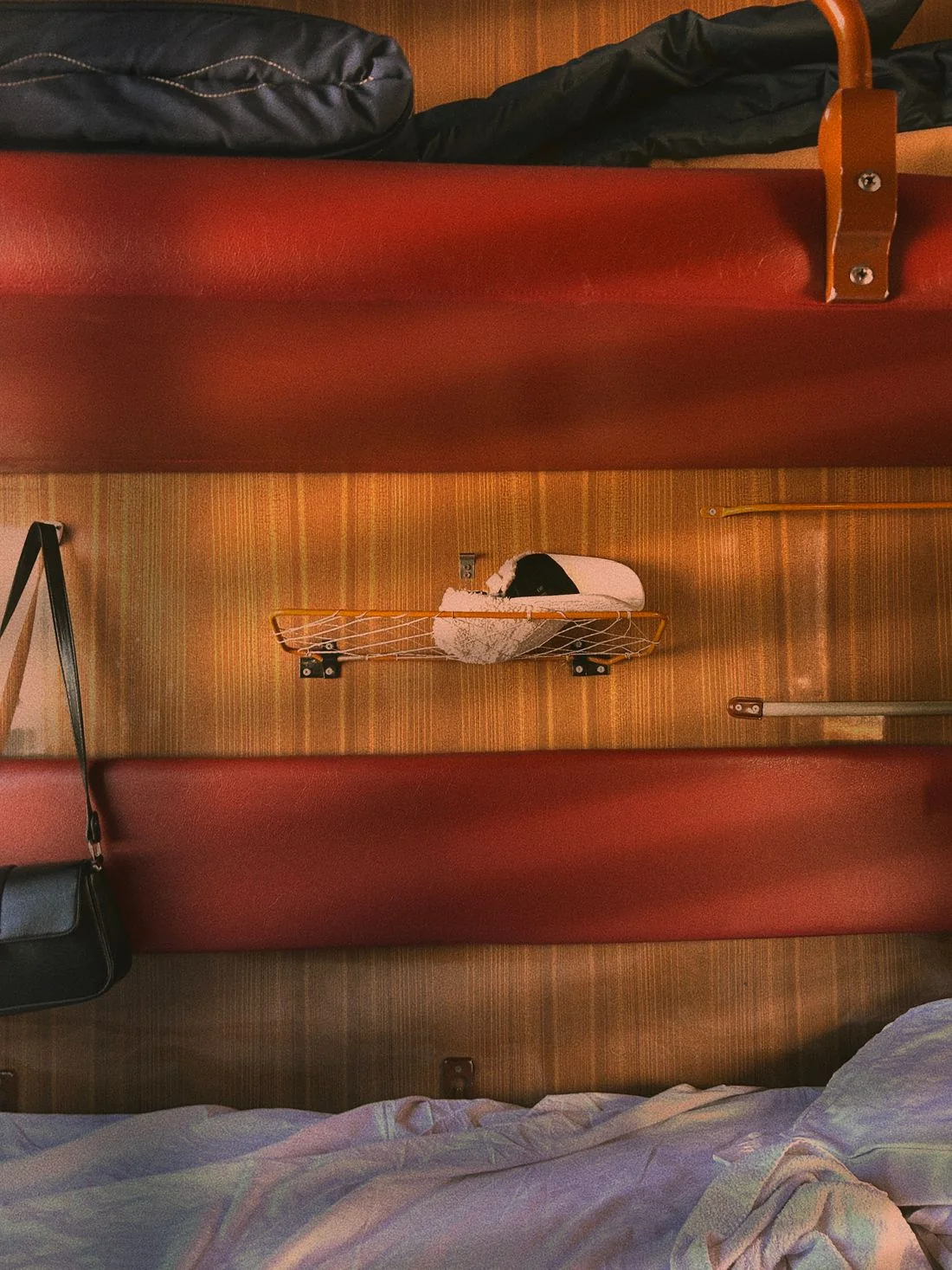
An overnight train is easier to prepare for when the sleep essentials, morning outfit, and main luggage have separate roles. Check the accommodation category you booked, pack only what you need during the journey, and choose clothes that make the arrival morning feel manageable.
Inside this guide
- Read the exact accommodation description
- Create an accessible night pouch
- Wear clothing that works while seated and resting
- Make the main bag easy to handle once
- Plan a modest arrival-morning refresh
- Keep charging and entertainment realistic
- Choose organizers for access rather than maximum compression
- Run a quiet departure checklist
- The shopping shortlist
Read the exact accommodation description
An overnight ticket can describe different arrangements, so begin with the category you actually booked rather than a travel photograph of another service. Check the operator's information about sleeping arrangements, facilities, luggage, and what is included. Nightjet's official website is a relevant starting point when using its services; a different operator may have different details. Confirm any unclear requirement before travel. A seat, shared sleeping space, and private compartment do not call for identical packing assumptions. Understanding the booking lets you choose what you need during the night without filling the bag with extras based on an imagined experience.
Create an accessible night pouch
Put the personal items you expect to use between boarding and morning into a small pouch you can reach without opening the whole suitcase. That might include your usual toothbrush essentials, an eye mask if you use one, a charging cable, and any relevant personal items. Keep documents and valuables arranged according to the operator's guidance and your own needs. Avoid including a complete bathroom collection simply because this is a night away. Check what facilities are available on the actual service, then pack for that arrangement. The pouch should help you settle quietly rather than turn a compact space into a full unpacking exercise.
Wear clothing that works while seated and resting
Choose a comfortable travel base with a waistband that does not press when seated and layers you can adjust. A soft trouser, simple top, and cardigan can be a practical combination, but use what feels appropriate to your booking and comfort. Avoid relying on unfamiliar clothes bought just before departure. Try the full outfit at home for an extended seated period. If you plan to change for sleep, keep that change easy to reach and consider the available space and privacy. The aim is a manageable routine, not an elaborate overnight wardrobe that creates more decisions at the end of a long day.
Make the main bag easy to handle once
Think about boarding, lifting, and placing luggage before selecting the case. Check the operator's stated baggage arrangements and choose a load you can manage yourself. A roller can help on suitable station surfaces, while a soft bag may be convenient to carry and store depending on its size and your contents. Neither is automatically right for every train. Keep the items needed during the journey outside the main luggage so you can put it away once and leave it closed. Avoid filling unused space with spare outfits that make lifting difficult. The bag should support the trip rather than occupy your attention throughout the night.
Plan a modest arrival-morning refresh
A fresh top, your normal grooming essentials, and a clearly packed daytime layer can be enough to make the transition into the destination easier. Keep that selection together instead of sorting through every garment after arrival. Consider whether you will go directly to the hotel, leave luggage, or spend time out before check-in. Confirm the property's arrangements rather than assuming the room will be ready when the train reaches the station. A practical morning outfit should work with the shoes you already wear. Do not pack a complete second look solely because the journey crosses from one day into the next.
Keep charging and entertainment realistic
Check the train's actual facilities and bring compatible accessories for the devices you need, but do not assume that an outlet will always be available or convenient. Charge essentials before departure and save tickets and accommodation information offline where possible. A downloaded book or small amount of quiet entertainment may be enough for the evening. Follow operator rules about device and battery use. Keep the cable pouch visible during the final morning check so that equipment does not stay behind. Adding a laptop or large headphones makes sense only when you genuinely expect to use them, not because the journey lasts overnight.
Choose organizers for access rather than maximum compression
A small packing cube can keep the morning change together, while a simple pouch can separate the night essentials from the rest of the bag. REI's travel accessory category offers options to investigate, but compare dimensions with your case and the amount of clothing you actually carry. Compression is not useful if reaching one top requires undoing an entire tightly packed bundle. BAGGU's soft bags provide another place to compare layouts for the main load or small essentials. Reuse organizers you already have where they work. Every extra container should make an identifiable part of the journey easier to manage.
Run a quiet departure checklist
Before arrival, collect the night pouch, charging accessories, documents, and any clothing you changed into. Check the places you used without spreading the entire case open. Leave enough time to put everything back neatly and handle your luggage calmly. Have the next address and route ready so the platform does not become the first moment you think about reaching the accommodation. Once the bag is closed, notice whether the night and morning kits earned their space. That experience can guide the next trip better than a generic packing list. A useful overnight setup is compact, accessible, and matched to the exact journey you booked.
The shopping shortlist
Compare these starting points against your own itinerary and wardrobe. Check the current listing, materials, measurements, delivery dates and return terms before ordering.
| Starting point | Best reason to consider it | Think twice if… |
|---|---|---|
| REI travel organizers | Compare small pouches and cubes that separate night essentials from a morning change. | Over-compressing clothing can make quick access harder in a limited space. |
| BAGGU soft travel bags | Investigate a manageable main bag or closed pouch based on your exact load and carrier rules. | A soft bag still needs to be comfortable when fully packed and lifted. |
REI travel organizers
Compare small pouches and cubes that separate night essentials from a morning change.
The tradeoff: Over-compressing clothing can make quick access harder in a limited space.
Explore REIBAGGU soft travel bags
Investigate a manageable main bag or closed pouch based on your exact load and carrier rules.
The tradeoff: A soft bag still needs to be comfortable when fully packed and lifted.
Explore BAGGUA few useful answers
Do all overnight trains include the same facilities?
No. Read the exact operator and accommodation-category description for your booking, and clarify anything that affects your packing.
Do I need a separate outfit for the arrival day?
Often a fresh top and accessible layer are enough. Choose based on your plans after arrival and the clothing you will wear during the journey.
Sources & further reading
Official resources checked October 7, 2026. Availability and policies can change. Our outfit and packing suggestions are editorial guidance, not claims of hands-on testing.