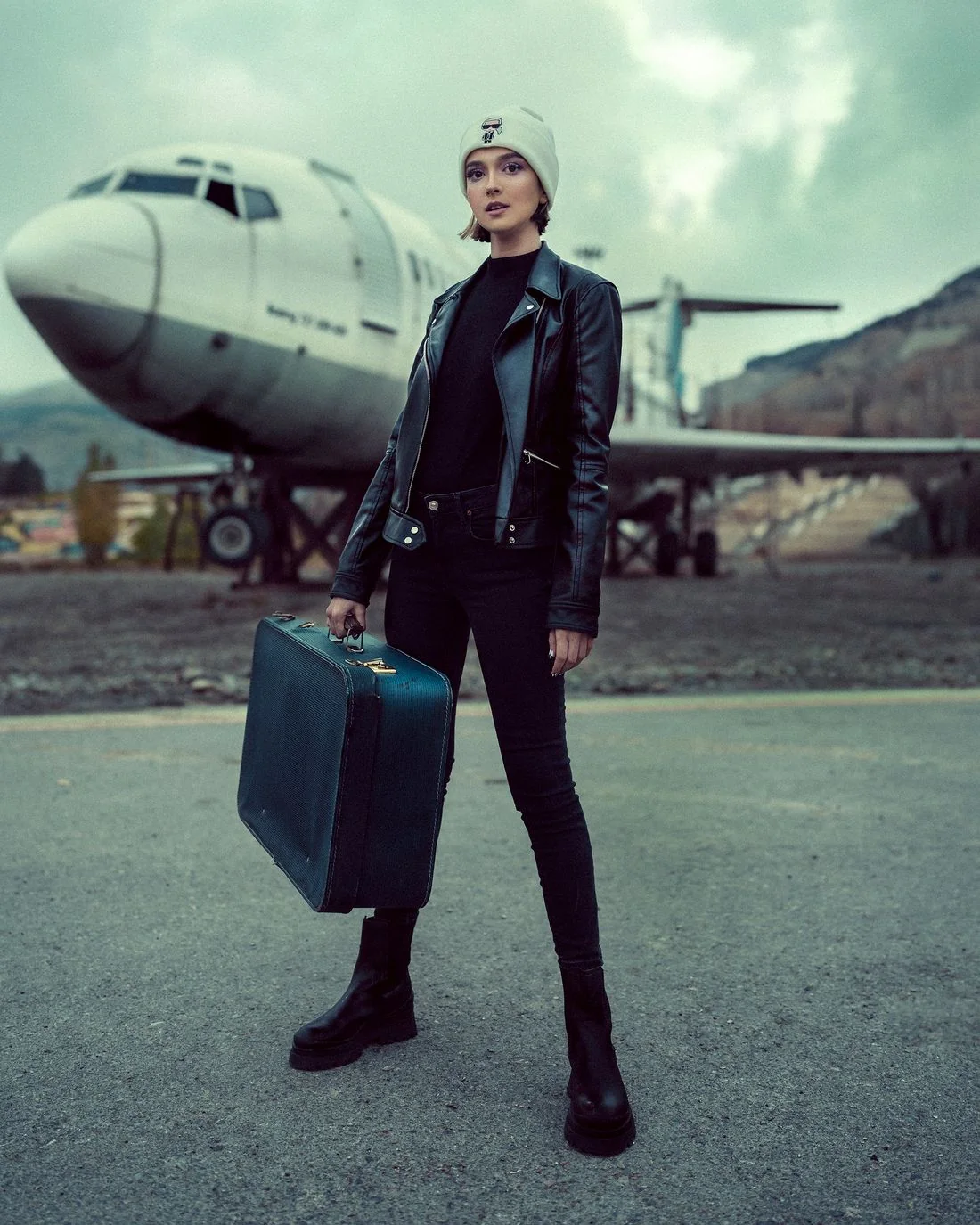

Packing cubes organize a suitcase; compression systems are designed to reduce the bulk of suitable clothing. Neither makes a heavy bag lighter. Before buying a matching set, decide whether you need quicker access, a smaller packing footprint, or a way to separate outfits. This comparison explains which system fits a short trip and which extras to skip.
Inside this guide
- Separate organization from volume
- Choose ordinary cubes for frequent access
- Consider compression for suitable bulky clothing
- Check the return-trip workflow
- Compare a small purchase before buying a full set
- Run a fair comparison with your own clothes
- Pack by task rather than by aesthetic
- The shopping shortlist
Separate organization from volume
A standard packing cube gives clothing a defined home, making it easier to find a top or move a group of items into a hotel drawer. A compression cube usually adds a closing mechanism intended to reduce the packed profile. A compression bag can squeeze flexible clothing differently, depending on its design. These are distinct goals. If your suitcase is messy but not full, organization may be enough. If it is too full because you packed unnecessary outfits, buying a compression system may simply preserve the original problem in a more tightly packed form.
Choose ordinary cubes for frequent access
Imagine a two-night trip with one hotel and three tops. A small cube for tops and another for underwear might keep the case readable without a large set. You can open the relevant organizer and leave the rest in place. That is useful when you repack early, share a room, or want worn items apart from clean clothes. Check the cube's dimensions against the inside of your own bag. A set designed around another luggage layout can leave awkward gaps. Mesh panels may help visibility, but compare the selected fabric and construction rather than assuming every cube behaves identically.
Consider compression for suitable bulky clothing
A sweater or several soft layers may be the reason your bag will not close easily. In that case, compare a compression organizer with removing a piece or wearing the bulkier layer during travel. Compression does not reduce weight, and tightly packed clothing may require more care after unpacking. Do not force delicate garments into a system that conflicts with their care instructions. If you need quick access throughout the trip, a tightly compressed bundle may be inconvenient. Choose compression for a defined clothing group instead of assuming the entire suitcase needs the same treatment.
Check the return-trip workflow
The system has to work on your last morning as well as your careful departure evening. A compression bag that depends on equipment you will not have at your destination may complicate repacking. Read how the specific product works. Consider whether worn clothes will fit back inside and whether you want a separate washable laundry bag. Wet garments should not be sealed and forgotten; keep them separate until you can deal with them appropriately. A simple pouch for small worn items can be enough for a short break. Efficiency includes the time needed to unpack and maintain the organizers.
Compare a small purchase before buying a full set
REI lists packing organizers in several categories, making it a useful place to compare ordinary cubes, travel pouches, and compression options. Away also offers packing organizer products. These are merchant research destinations rather than tested winners. Look at actual dimensions, closure design, care instructions, and total cost. Start with the smallest number that solves your problem. Matching colors are optional; different colors can even help distinguish clothing groups. If your budget is tight, use clean pouches you already own and see which size you repeatedly wish you had before spending.
Run a fair comparison with your own clothes
Pack the same edited clothing list once without organizers and once with the system you are considering. Check usable space, access, and how easy it is to close the case. Stay within the merchant's return conditions if you are trying a new product. Pay attention to whether the organizer has encouraged you to add more clothing. Weigh the final bag if your travel allowance has a weight limit. The useful result is a suitcase you can carry, open, and repack easily. It is not a tightly arranged photograph that requires fifteen minutes to reconstruct every time you need socks.
Pack by task rather than by aesthetic
Label each organizer mentally with a job: clean tops, underwear, or worn clothing. If you cannot name its job, leave it out. Keep the items you need first near the opening and avoid compressing the only layer you might want during transit. A two-night trip is a useful chance to experiment with a very small system before committing to a large set. When you return, note which pouch you opened often and which stayed untouched. The next packing decision can then respond to your own habits instead of a retailer's bundle.
The shopping shortlist
Compare these starting points against your own itinerary and wardrobe. Check the current listing, materials, measurements, delivery dates and return terms before ordering.
| Starting point | Best reason to consider it | Think twice if… |
|---|---|---|
| REI packing organizers | Compare different organizer categories by dimensions and the task you want them to perform. | A large set may include sizes you never use. |
| Away packing organizers | Research ordinary and compression options alongside your luggage's internal layout. | A coordinated system still needs to fit your actual packing list and case. |
REI packing organizers
Compare different organizer categories by dimensions and the task you want them to perform.
The tradeoff: A large set may include sizes you never use.
Explore REIAway packing organizers
Research ordinary and compression options alongside your luggage's internal layout.
The tradeoff: A coordinated system still needs to fit your actual packing list and case.
Explore AwayA few useful answers
Will compression help with a weight allowance?
No. Less volume does not mean less weight. Edit the contents and weigh the packed bag separately.
Do I need an organizer for every item?
No. Use them where they improve access or separation. Shoes, a folded jacket, or a small loose item may work better outside a cube.
Sources & further reading
Official resources checked October 7, 2026. Availability and policies can change. Our outfit and packing suggestions are editorial guidance, not claims of hands-on testing.