
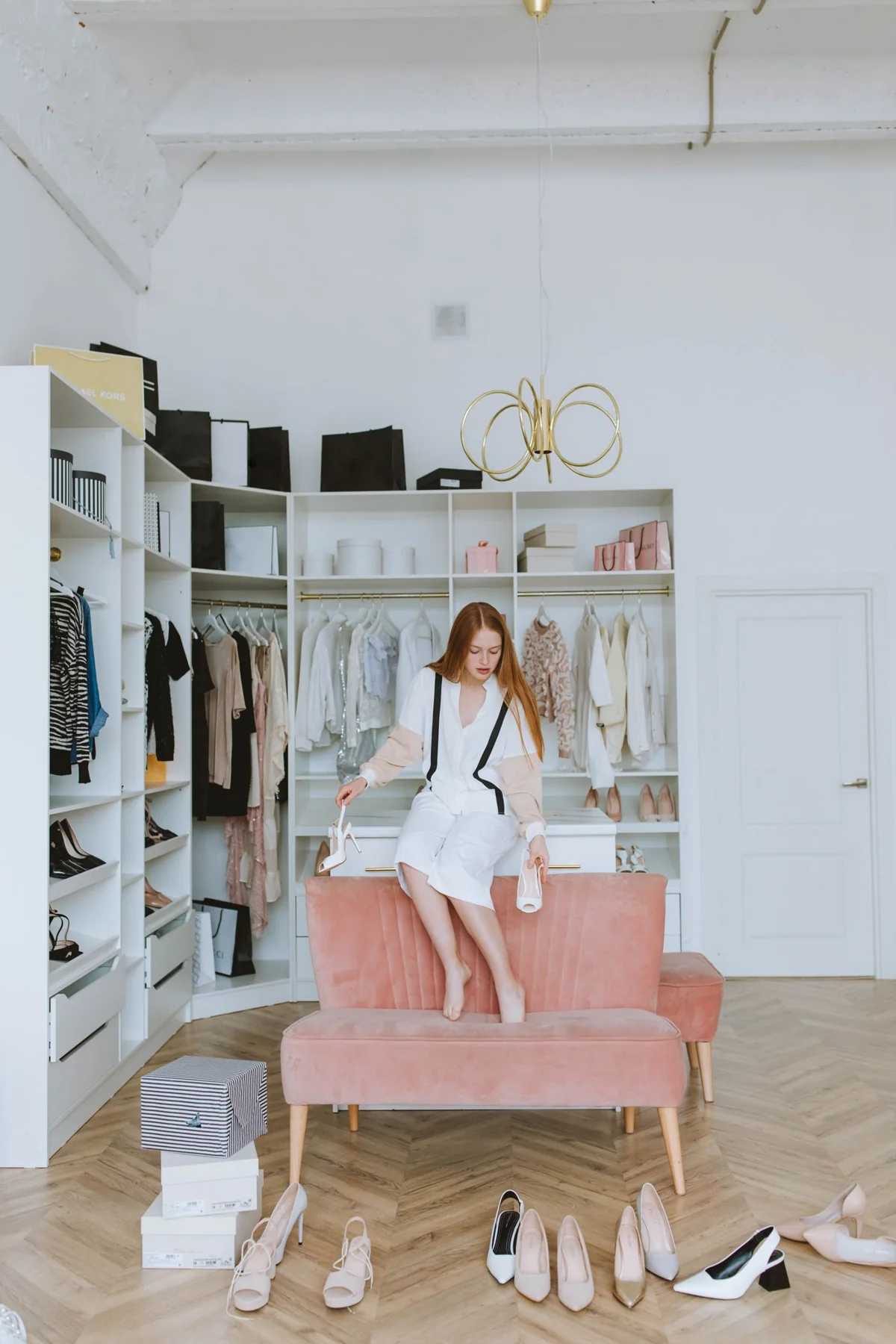
Decide whether a second pair of shoes serves a distinct trip need, then account for its space, carrying route and use after the change.
A second pair of shoes can be useful insurance or simply the largest unused item in a small suitcase. Decide which role it will play before packing it. Start with the actual trip: walking, weather, a particular venue and the journey home. The second pair should solve a need the first cannot comfortably meet. Another colour or a vague possibility of dressing up may be enjoyable, but recognise that as a preference rather than pretending it is essential equipment for every short break.
Name the different job
Write the reason in a short sentence. Perhaps the evening venue has a requirement, or a particular activity needs different footwear. Check current venue guidance where relevant rather than relying on its appearance online. If both pairs serve the same ordinary walking and dinner plans equally well, choose the one you prefer and consider leaving the other. The useful comparison is between roles, not between which shoe looks better beside an open suitcase.
Try the complete outfits
Wear each pair with the clothing intended for it. Check hems and comfortable movement before deciding the footwear is interchangeable. A different sole or heel can alter how a trouser leg sits and what an evening walk feels like. Use familiar shoes where possible rather than depending on a new pair you have only tried briefly. The backup should reduce uncertainty, not introduce another untested element into the plan at the moment the first pair is removed.
Include the space on the return journey
Pack shoes through an appropriate arrangement that keeps them separate from other belongings according to their condition and care needs. Remember that the pair worn on departure may become the packed pair later. Check that both fit the intended storage, rather than testing only the smaller one in the case. A compact evening shoe can conceal how much space the daytime pair will need after the swap. The packing decision should work in both directions.
Choose the change point
Decide where you will change and leave the pair you take off. Returning to the hotel can make that simple if it fits the route. Carrying the second pair all day needs a suitable bag and a practical place for the first afterwards. Do not assume a restaurant can store extra belongings. If the change creates a detour, a heavy bag and an awkward final walk, compare that full cost with the benefit the second pair provides.
If the distinct role remains clear and the logistics work, pack the shoes without treating their size as a problem to apologise for. If the role is uncertain, leave them and simplify the wardrobe around the useful pair. A small case does not need to contain every possible version of the trip. It needs to support the activities you are actually choosing, with comfortable footwear available when it matters.
Continue planning with How to Choose Comfortable Shoes for Cobblestone Streets, A Five-Day City Break Capsule Wardrobe That Leaves Room for the Trip.
Editorial note
Practical style and travel guidance. Follow the relevant maker’s instructions and check current arrangements with your provider. Availability and policies can change. Our outfit and packing suggestions are editorial guidance, not claims of hands-on testing.