Leave a short screen-free part of a train journey for noticing the route, after the practical arrangements are settled and the next change is clear.
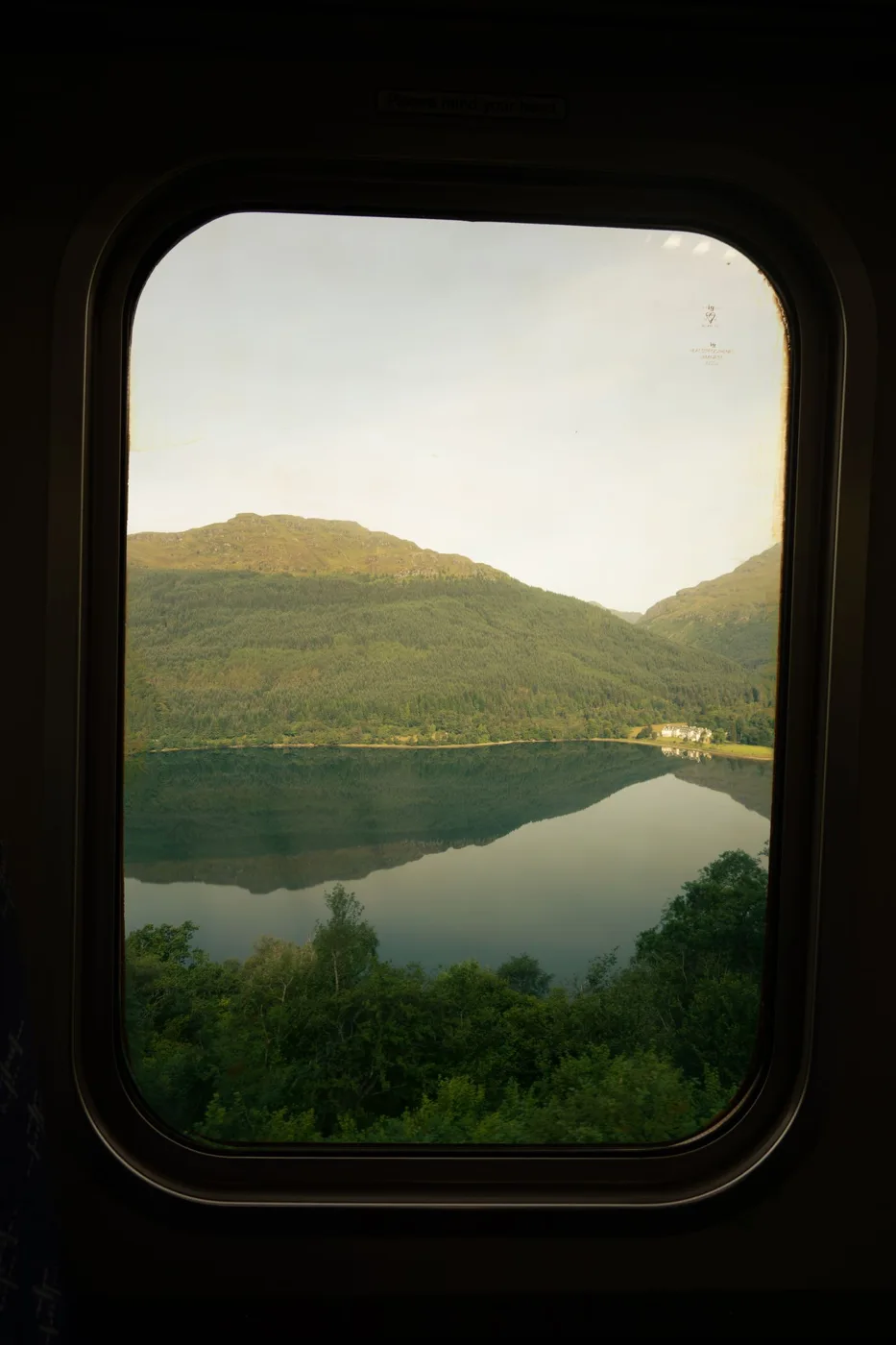
A train journey can disappear into messages and planning before you notice the landscape beyond the glass. You do not need to turn the trip into a formal digital break to enjoy part of the view. Settle the practical tasks first, then leave a small interval for looking outside. It may be the stretch after departure or the time before the next station. The pause works because it fits the journey, not because it follows a rule about how every traveller should spend the ride.
Clear the immediate practical questions
Check the next change, the belongings you will need and any essential communication before putting the device away. Keep the information required for the journey accessible in an appropriate form. A screen-free pause is less pleasant when you are repeatedly wondering whether the next stop was the one you needed. Separate necessary travel attention from optional browsing. You can stop one without abandoning the other or pretending that a journey never requires current information.
Give the view an ordinary chance
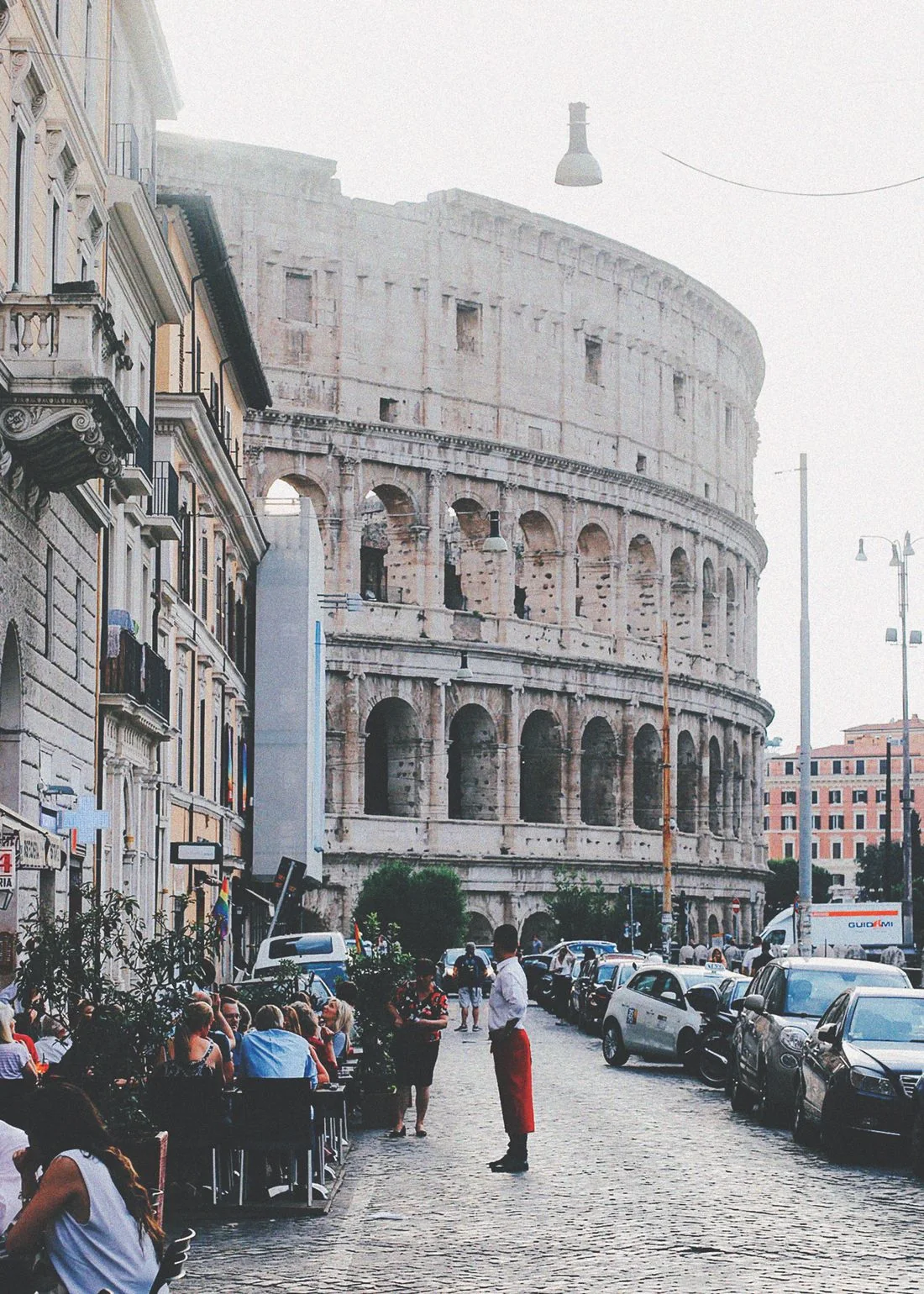
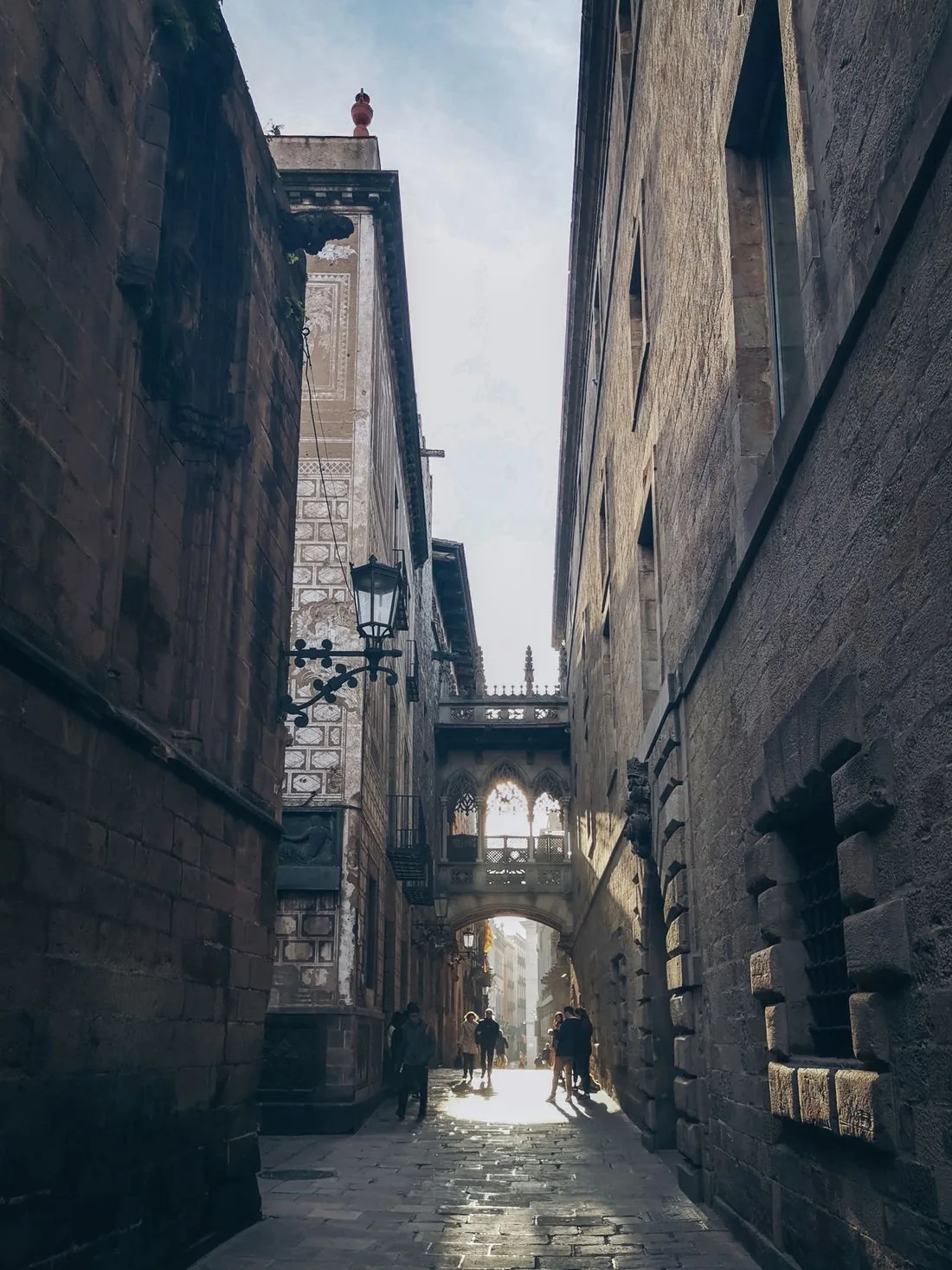
Look outside without expecting a dramatic landscape. Streets, gardens, industrial buildings and stations can all tell you something about the route. There is no need to identify every place or turn the interval into a photography task. If something interests you, enjoy it briefly and let the journey continue. The value is the change in attention, from a small screen to the space you are moving through, rather than a collection of images that must justify the pause afterwards.
Agree the moment with a companion
If you are sharing the journey, let the other person know whether you would like a quiet stretch or to look out together. They may prefer to read or finish a task, which can coexist comfortably. Avoid treating silence as an instruction they should infer. A small conversation about the pause keeps it relaxed. You can still comment on something outside without turning the whole interval into a discussion that must continue until the destination.
Keep the next transition in view
Remain attentive to the information and instructions relevant to your service. The pause ends when you need to prepare for a change or arrival. Put away loose belongings with time to spare and check your seat area before moving. A pleasant interval should not create a rushed departure from the carriage. If the route is busy or unfamiliar enough to need continuous attention, choose another part of the trip for a quieter moment.
There is no target for how long you look outside and no requirement to avoid the screen afterwards. You have simply made space for a part of the journey that can otherwise go unnoticed. A modest pause can help the travelling time feel like part of the break, while leaving the practical arrangements intact and the next step easy to manage.
Continue planning with What to Wear for a Long Train Journey, An Amsterdam Train Weekend: Pack for the Platform, the Walk, and the Hotel.
Editorial note
Practical style and travel guidance. Follow the relevant maker’s instructions and check current arrangements with your provider. Availability and policies can change. Our outfit and packing suggestions are editorial guidance, not claims of hands-on testing.