
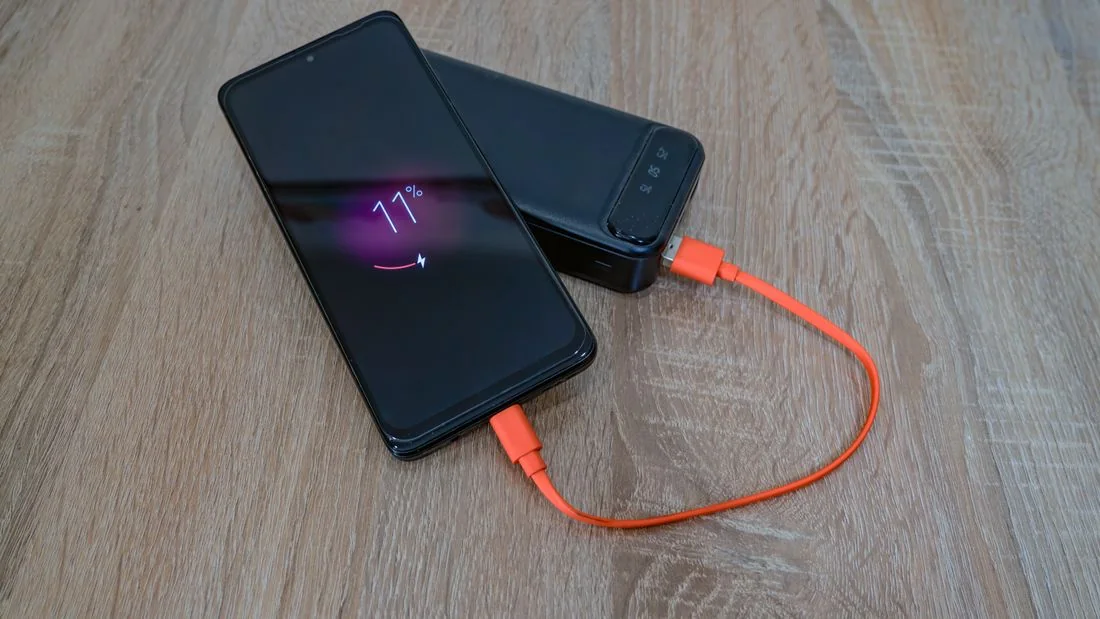
Build a charging kit around the devices you actually use on the journey, then check compatibility and carrier rules before adding a power bank. A small, clearly organized pouch can be more useful than a drawer's worth of cables carried just in case.
Inside this guide
- List the devices that need to leave home
- Plan around the longest stretch without a convenient outlet
- Choose cables by their actual job
- Separate a plug adapter from charging capability
- Treat a power bank as a specific purchase
- Make the pouch easy to inspect at a glance
- Test the hotel routine before departure
- Use a leaving-the-room check
- The shopping shortlist
List the devices that need to leave home
Begin with the phone you use for tickets and maps, then decide whether the camera, tablet, laptop, or headphones genuinely belong on the trip. A weekend without work may not need the laptop and its larger charger. Write down the connector and charging requirements of each device using its official instructions, rather than relying on the shape of a port alone. Check the cables you already own and remove those with damaged insulation or unreliable connections. A useful kit begins by reducing the number of devices and accessories that need attention, not by buying a larger organizer.
Plan around the longest stretch without a convenient outlet
Think about the day from the moment you leave home until you reach the room, including transfers and any sightseeing before check-in. Do not assume the transport will provide an accessible working socket just because one appeared on a previous journey. Charge the devices before leaving and decide which use matters most when away from an outlet. Tickets and navigation may be a higher priority than continuous video. Save relevant travel information offline where possible. A charging pouch can support the plan, but it cannot replace thinking through the journey and preserving enough power for the final transfer.
Choose cables by their actual job
Take a working cable for each connection you need, combining functions only when compatibility is confirmed. A short cable can keep a pouch tidy, while a modestly longer one may be easier beside a hotel bed or desk. Avoid assuming that every cable with the same connector supports identical charging or data performance. Read the device and accessory manufacturers' information. Test the proposed combination at home before packing it. Keep a backup only when it solves a meaningful problem for your trip, not because an unused cable happens to fit. Label similar items if that helps you identify them quickly.
Separate a plug adapter from charging capability
If traveling internationally, check the destination's socket requirements and the electrical ratings on the chargers you intend to use. A plug adapter changes the physical connection; it should not be treated as evidence that any device is compatible with the supply. Follow the device and charger manufacturers' guidance, and obtain an appropriate accessory when needed. Do not put an unfamiliar electrical item in the kit solely because its listing calls it universal. REI's travel accessory category can help you investigate organizer and adapter options, but the exact product specifications must be compared with your devices and destination.
Treat a power bank as a specific purchase
A power bank may be useful when the journey is long or the phone supports essential travel tasks, but choose it by compatibility and documented specifications. Check the relevant transport provider's current rules for carrying and using it, including any restrictions on batteries. Those rules can differ, and a device allowed on one journey does not establish permission everywhere. Consider the bank's weight and whether you will actually keep it accessible rather than buried in the case. Follow the manufacturer's instructions for use and storage. This guide does not rank untested battery products or promise a particular number of charges.
Make the pouch easy to inspect at a glance
Use a small pouch with enough space to avoid sharply bending cables or forcing the closure. A simple compartment can be easier than an elaborate organizer when you carry only a charger and two leads. Keep the charging kit separate from liquids and food, and follow product handling instructions for any battery. BAGGU's bag collection is one place to compare compact storage shapes, though an existing pouch may do the job perfectly. The useful feature is being able to see what you have and notice what is missing before you leave a seat, café table, or hotel room.
Test the hotel routine before departure
Arrange the complete kit at home as you expect to use it after arrival. Plug in the devices with the actual charger and cables, confirm that each works as intended, and notice whether the setup requires more space than the pouch suggests. Check how many items need charging at once. If you travel with someone, decide whether sharing one accessory would create an inconvenient dependency. Keep a written or photographed inventory for your own reference if useful. A successful rehearsal can reveal an unnecessary cable or a missing compatible lead before the inconvenience follows you into the travel day.
Use a leaving-the-room check
Before checkout, look at the wall sockets, desk, bedside area, and the place where you last used the kit. Count the charger, cables, and any power bank against the simple inventory you made. Put them back in the same pouch rather than distributing them across several bags in a hurry. Keep the travel-day lead accessible for the next journey and protect delicate connectors as instructed. Buying more accessories is rarely the most effective response to losing track of existing ones. A small kit that is compatible, tested, and consistently repacked can make charging feel like one manageable task rather than several.
The shopping shortlist
Compare these starting points against your own itinerary and wardrobe. Check the current listing, materials, measurements, delivery dates and return terms before ordering.
| Starting point | Best reason to consider it | Think twice if… |
|---|---|---|
| REI travel accessories | Investigate individual adapter and organizer options after checking device and destination requirements. | A travel category does not establish electrical compatibility or carrier permission. |
| BAGGU small storage bags | Compare simple closed storage for a compact cable kit you can inspect quickly. | A soft pouch provides organization rather than guaranteed impact or liquid protection. |
REI travel accessories
Investigate individual adapter and organizer options after checking device and destination requirements.
The tradeoff: A travel category does not establish electrical compatibility or carrier permission.
Explore REIBAGGU small storage bags
Compare simple closed storage for a compact cable kit you can inspect quickly.
The tradeoff: A soft pouch provides organization rather than guaranteed impact or liquid protection.
Explore BAGGUA few useful answers
Does a plug adapter make any charger suitable abroad?
No. Check the charger and device ratings and follow their manufacturers' guidance. Physical plug compatibility is only one part of the decision.
Should I always pack a power bank?
Choose it when your journey and device use justify the weight, and check current carrier rules and product instructions before carrying it.
Sources & further reading
Official resources checked October 7, 2026. Availability and policies can change. Our outfit and packing suggestions are editorial guidance, not claims of hands-on testing.