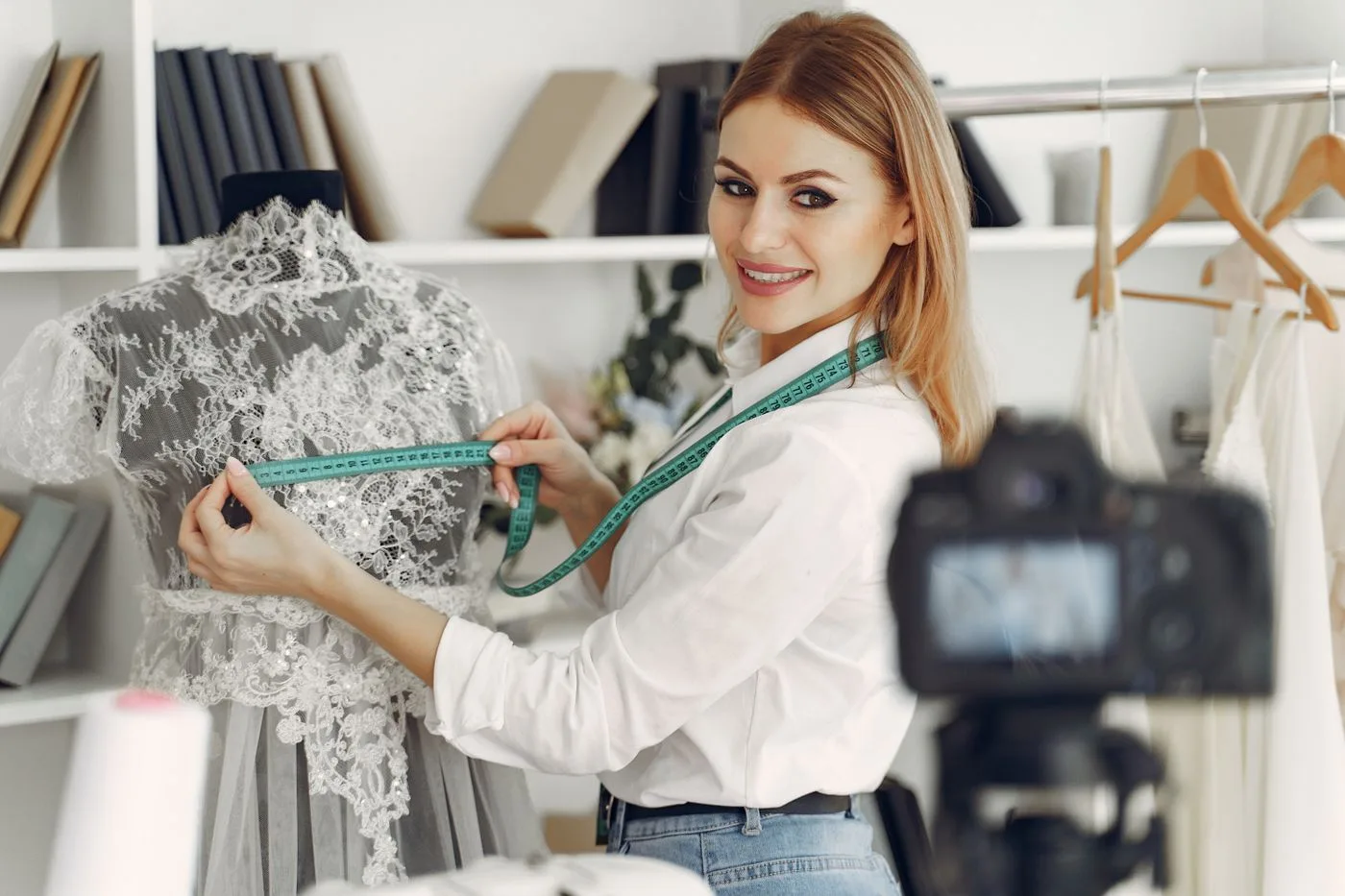
Prepare a small alteration enquiry with clear views of the actual garment and a focused question, leaving measurements and proposed changes to an understood process.
A few clear photographs can support an alteration enquiry when they show the actual garment and the question you want to discuss. They cannot replace the professional's own assessment or establish a change you have not agreed. Prepare a small useful set rather than sending many near-identical images and asking someone to infer the problem. The goal is a clearer first conversation, not a remote diagnosis of every fit detail.
Write the question before taking the pictures
Describe what you notice in an ordinary situation. A hem may interfere with the intended shoe, or a sleeve may feel different when you reach for a bag. Keep the observation separate from the alteration you imagine will solve it. The professional may need more information before deciding what is possible.
The specific movement-question guide helps identify that first issue. Photographs add visual context to the question; they should not become a substitute for saying what actually happens when you wear the garment.
Ask which views are useful
Use the alteration provider's appropriate process and ask about the information they need. A general view, a detail and a relevant movement position may have different purposes. Do not assume that every provider wants the same set or accepts a remote enquiry in the same way.
Respect privacy and any fitting-space conditions when making the images. Use a comfortable ordinary position and keep unrelated personal information out of the frame. If another person helps, explain the view you need rather than asking for a full fashion session.
Keep the garment and outfit consistent
Use the actual item and the relevant accompanying pieces, such as the shoe or intended underlayer. Tell the provider which elements are part of the question. A different shoe height or layer can change what the picture appears to show, so do not mix references without explaining the difference.
Avoid pinning, cutting or otherwise changing the garment through guesswork to demonstrate a desired result. Follow appropriate guidance and let the professional establish how a proposed change should be assessed. An image can show a concern without staging an unapproved alteration.
Separate images from measurements
Do not infer precise measurements from a photograph whose scale and position are not established. If measurements are requested, use the provider's actual definitions and instructions. Label the relevant information clearly rather than combining a body measurement, a garment dimension and a desired finished length as though they mean the same thing.
The garment listing identity guide helps keep the exact item connected to its reference information. Include a reliable product or care reference when relevant, without assuming the image proves the material or construction.
Send only what the provider needs through the agreed route and keep the open question visible. A reply may establish that an in-person assessment is needed, that more information is required or that the proposed work is not suitable. Any of those can be a useful outcome. Clear photographs support an honest conversation rather than promising that every garment can be changed into the outfit you imagined.
Editorial note
Practical style and travel guidance. Follow the relevant maker’s instructions and check current arrangements with your provider. Availability and policies can change. Our outfit and packing suggestions are editorial guidance, not claims of hands-on testing.