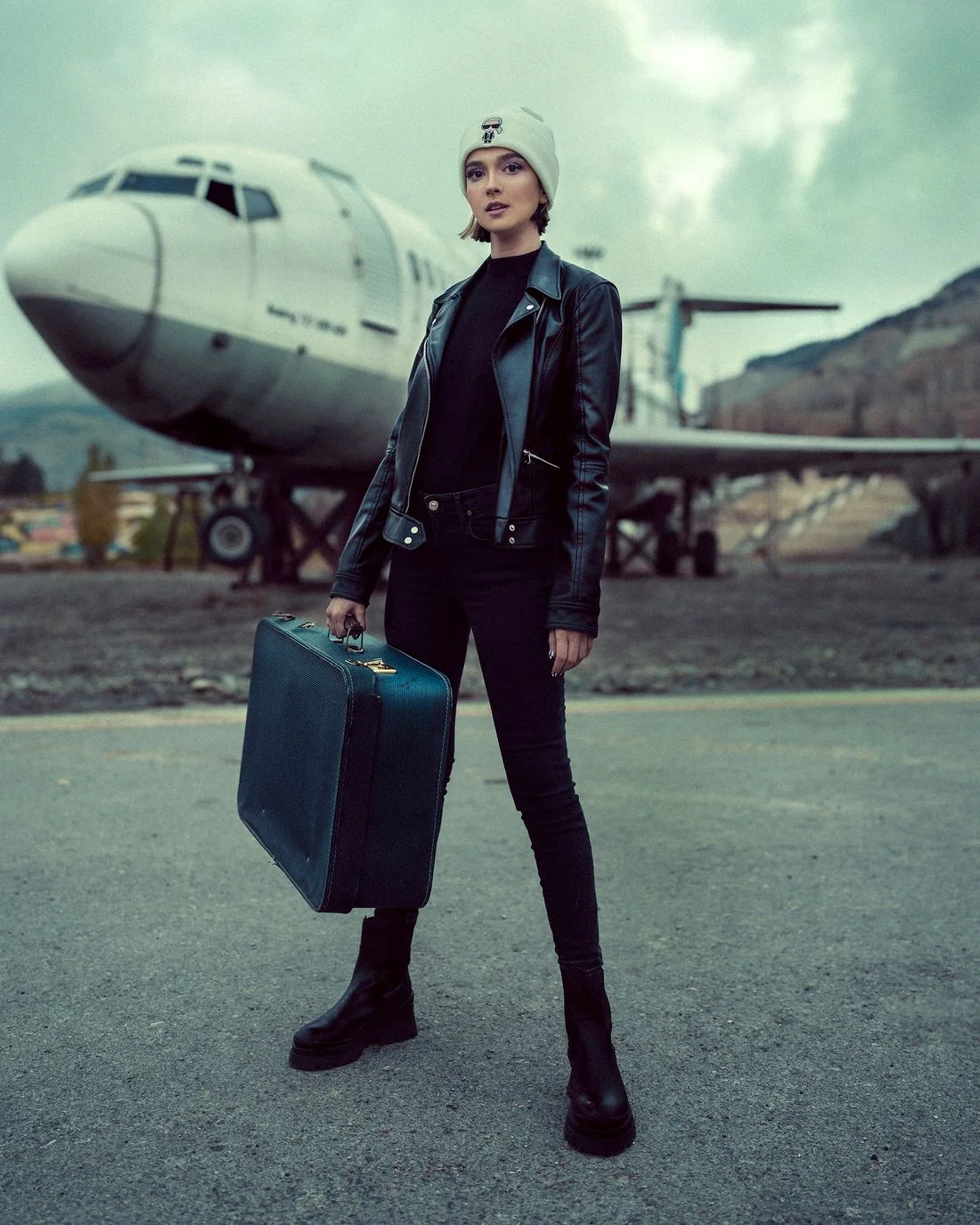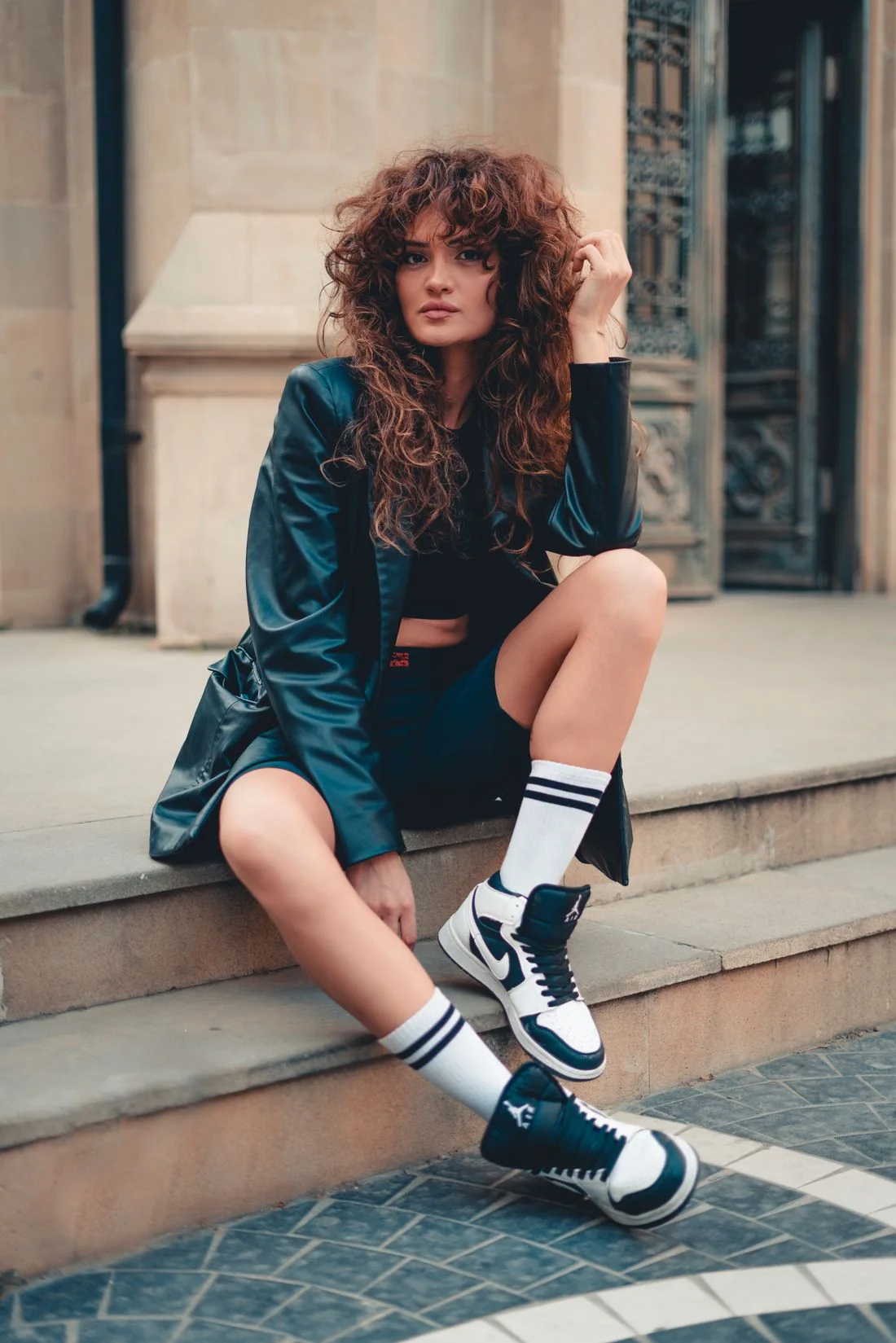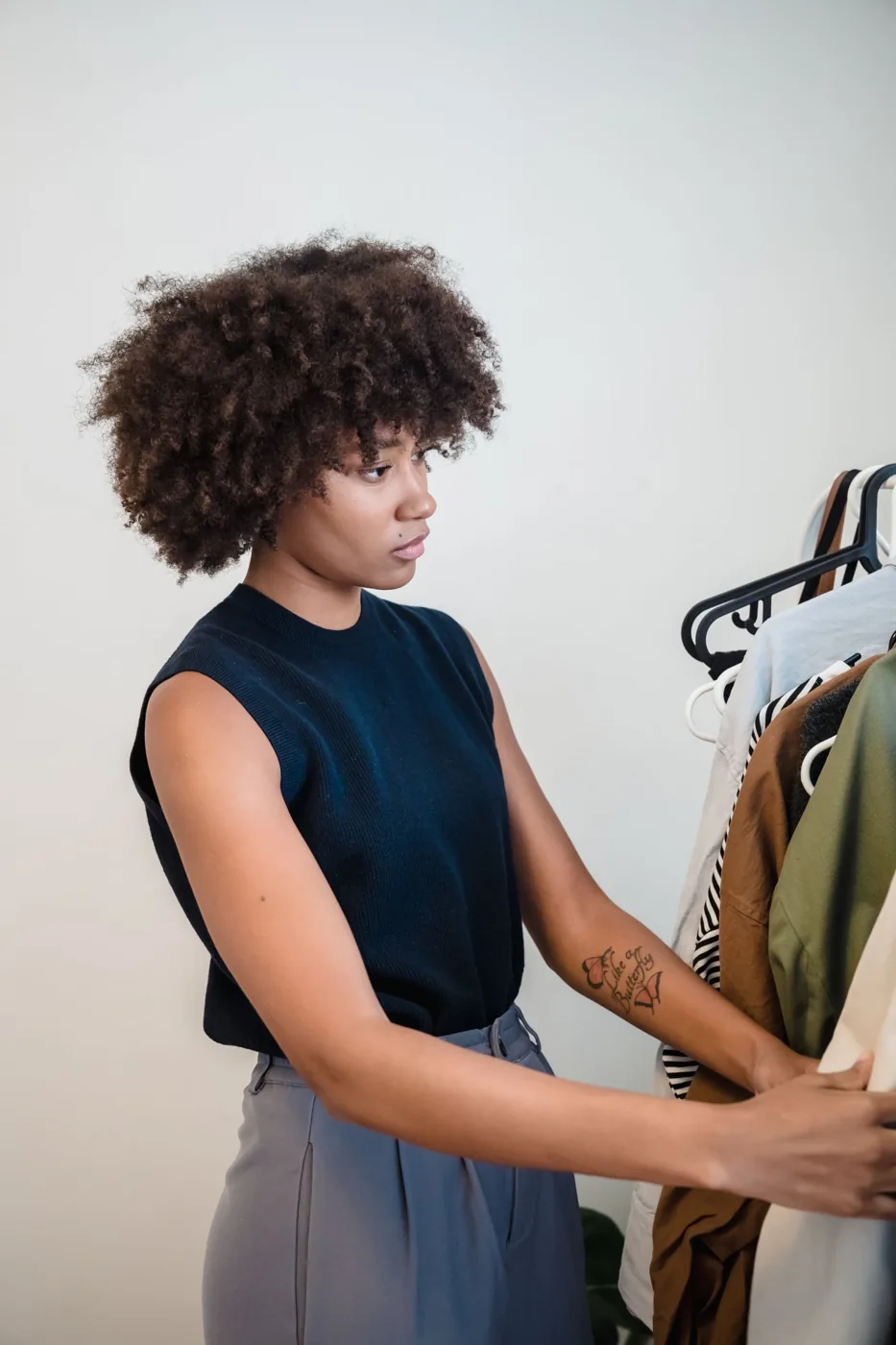
Keep fitting notes through a clear decision and a specific unresolved question, separating an ordinary comparison from the pressure to buy while details are vague.
A fitting session can leave several vague impressions that become difficult to compare once you leave the shop. Keep a short note with a clear decision and one unresolved question. The note should distinguish what you actually tried from what you are still imagining. It can support a later choice without turning every possible garment into a permanent shopping project.
Identify the actual item
Record the reliable product reference, the size tried and the relevant version or colour. Use the shop's actual information where available rather than a description such as the nice trousers near the door. Two similar pieces can differ in ways you will not reconstruct accurately from memory.
If a private photograph is allowed and useful, keep it connected to the note and the actual outfit used in the fitting. Do not assume a picture alone will identify the item later. A clear text reference can be more useful than several images with no names attached.
Separate observation from proposed solution
Write the thing you noticed: a sleeve pulled during a particular movement, the hem met the intended shoe in an awkward place or a pocket was harder to use than expected. Avoid immediately converting that into a promised alteration or a different size you have not tried.
The movement-question alteration guide helps keep a real observation distinct from a guessed fix. A fitting note should make the next question clearer, not make an untested solution sound settled.
Give the item a current status
Choose a plain description such as a possible fit with one question, an unsuitable combination or something you would like to compare with an existing piece. You do not need a numerical score. The status should tell you what happens next rather than express a general mood about shopping.
If the decision is to leave it, allow the note to close. Not every appealing detail needs to remain on a wishlist. If you want to compare, name the actual thing you need to bring or establish before another visit. A vague promise to think about it can keep the question open indefinitely.
Keep the practical information current
Any purchase, availability or seller condition needs the relevant current information when you decide to act. A note made during an earlier visit is not a guarantee that the same option or arrangement remains. This guide does not establish a retailer's terms or recommend a financial decision.
The fewer travel-accessory filter offers a related way to connect shopping with an actual role. For clothing too, the useful question is how the piece belongs in your life rather than whether you can invent enough future occasions to justify it.
Before leaving the session, read the note once. Can you tell which item it concerns, what you observed and what remains to be established? Remove details that do not help that decision. A short honest record can keep fitting impressions usable while leaving you free to stop shopping and return to the rest of the day.
Editorial note
Practical style and travel guidance. Follow the relevant maker’s instructions and check current arrangements with your provider. Availability and policies can change. Our outfit and packing suggestions are editorial guidance, not claims of hands-on testing.