Keep one small observation from a London river view with a clear place and moment, letting a short note preserve what you noticed without becoming a trip checklist.
A familiar London river view can be photographed quickly and then disappear among dozens of similar images. A small written observation can preserve something the photograph does not explain: what drew your attention at that moment. It might be a shape through an opening, a sound or the way people paused beside the water. The note can remain brief, giving the stop a personal context without turning it into another task to complete.
Choose one thing to notice
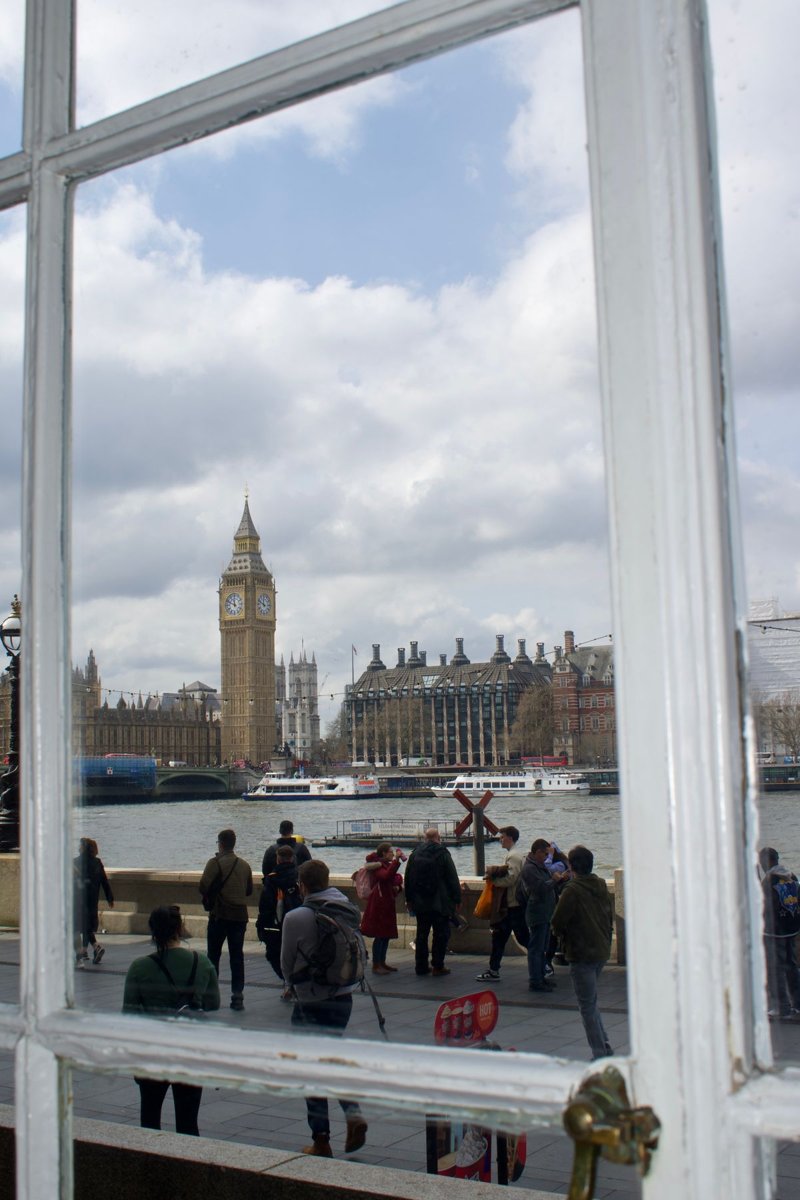
Begin with the view available from an appropriate, permitted position. Stay aware of the people and ordinary use of the space around you. You do not need to find the exact angle of an inspiration image. Look for one detail that interests you in the scene you actually have: a line between buildings, a reflection or a change in the sky.
Describe it in your own words before reaching for a polished caption. A sentence such as the tower appeared through a pale frame may be enough to explain why you stopped. Keep factual uncertainty visible. If you do not know the name of a building or feature, record its appearance and check an appropriate source later if the name matters to the memory.
Keep the place and moment attached
Add enough location context to distinguish the stop from another river view. Use information you can actually establish rather than guessing from a distant landmark. A time or date can help connect the note with your photograph, but there is no need to record precise personal location details in something you intend to share publicly.
If travelling with a companion, invite their observation without requiring it to match yours. One person may notice architecture while another remembers a conversation. The two notes can sit beside each other without competing to be the correct interpretation of the stop. A shared outing does not need a single official memory.
Let the pause remain part of the day
Keep the activity short enough for the plan and the people involved. Once you have the detail you wanted, put the notebook or phone away and return to the outing. You do not have to document every view in the same way. One considered observation can be more memorable than a long sequence of hurried captions.
Later, place the note with the relevant photograph or trip record. Separate what you observed from any facts added after checking. This article does not offer a current route, access arrangement or promise of a particular viewpoint. It suggests a way to notice the view you genuinely encounter. A few clear words can give a familiar landmark a specific place in your own break, preserving the reason it caught your attention rather than only the fact that you stood near it.
Related reading
A Rainy Autumn Weekend in London: Layers That Still Feel Put Together, Put the Screen Away for Part of a Train Journey.
Editorial note
Practical style and travel guidance. Follow the relevant maker’s instructions and check current arrangements with your provider. Availability and policies can change. Our outfit and packing suggestions are editorial guidance, not claims of hands-on testing.